
What Are Metal Shingles and How Do They Work?
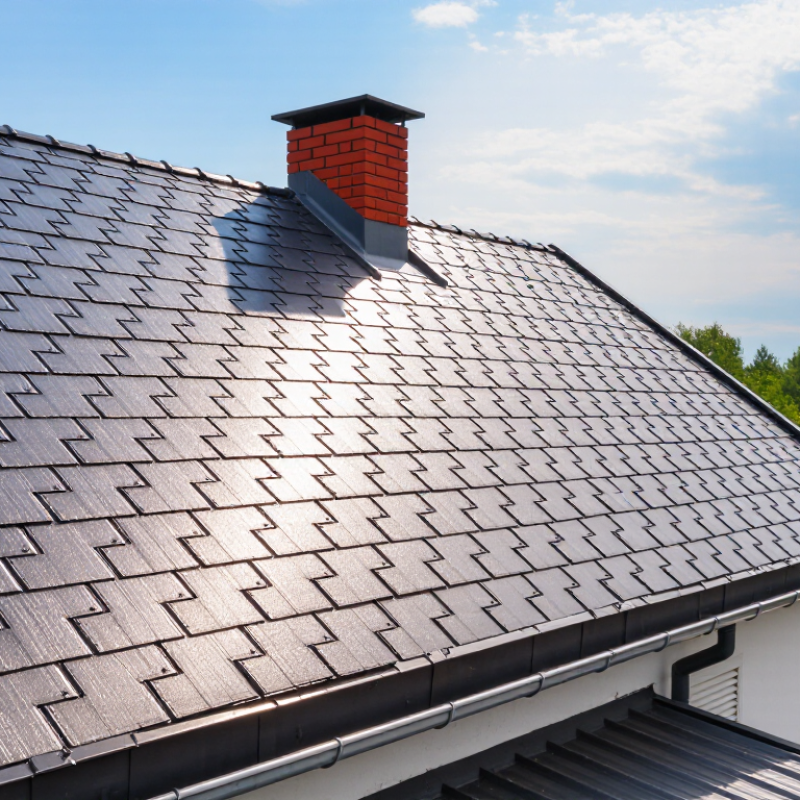
Metal Shingles combine the familiar appearance of slate, wood, or asphalt with the performance of formed steel, aluminum, or coated copper. They are lightweight roofing units designed to overlap and interlock, creating a layered surface that directs rain toward gutters. Beneath them, underlayment, flashing, and properly placed fasteners help resist leaks around valleys, chimneys, and roof edges.
They work through a simple but carefully engineered system. Each shingle sheds water onto the course below. Interlocking profiles improve wind resistance, while protective coatings help limit corrosion and ultraviolet damage. The Metal Construction Association’s technical guidance emphasizes correct panel attachment, ventilation, and compatibility between metals. These details matter more than appearance alone.
Installation quality changes everything.
The National Roofing Contractors Association’s roofing manuals identify flashing, drainage, fastening, and substrate preparation as central roof-system concerns. The U.S. Department of Energy’s Energy Saver guidance also explains that reflective roofing can reduce heat absorption, especially on sun-exposed surfaces. However, energy performance depends on color, insulation, ventilation, climate, and roof design. Metal Shingles are not automatically “cool” in every situation.
Industry research from Grand View Research continues to identify durability, renovation demand, and lower maintenance as major drivers of metal roofing adoption. Yet published lifespan claims vary widely. Poor detailing, incompatible fasteners, trapped moisture, or careless walking can shorten service life. This article explains how Metal Shingles function, where they perform well, and which installation assumptions deserve closer inspection. Practical roofing experience suggests a useful warning: the material is rarely the weakest link. The details usually are.
What Metal Shingles Are and How They Are Made
Metal shingles are small roofing panels made from thin, shaped metal. Common materials include galvanized steel, aluminum, zinc, and copper. Each option behaves differently in weather and during installation. Steel offers strength, while aluminum weighs less and resists rust. Copper changes color over time. That change is normal.
Manufacturing usually begins with a flat metal coil. Machines cut the sheet into consistent pieces. Rollers or stamping presses then create the shingle profile, including ribs, edges, and fastening points. A protective coating may be added before shaping. It can contain metallic layers, paint, or mineral granules. These layers help reduce corrosion and protect the surface from sunlight. The finished panel may resemble slate, wood, or traditional asphalt shingles.
On a roof, overlapping shingles guide rain toward the gutters. Hidden or exposed fasteners hold each piece to the roof deck. Installers must allow for thermal movement because metal expands in heat and contracts in cold. Small gaps and correct fastening matter. Too much pressure can distort the panel. Too little can allow wind-driven rain underneath. The result is precise, but not flawless. Cutting around vents, valleys, and chimneys requires careful measuring. A small mistake can become a leak after heavy rain. Local building rules, roof pitch, ventilation, and the manufacturer’s installation instructions should guide the work. Metal shingles are durable, but they are not maintenance-free. Scratches, loose fasteners, and blocked drainage still need inspection.
| Data Dimension | Typical Information | How It Relates to Metal Shingle Performance |
|---|---|---|
| Definition | Small, interlocking or overlapping roofing panels made from formed metal | Metal shingles provide a protective roof covering while imitating the appearance of materials such as slate, tile, or traditional shingles. |
| Common Base Metals | Steel, aluminum, zinc, or copper | The base metal influences weight, corrosion resistance, malleability, cost, and the installation methods used for the roofing system. |
| Typical Steel Construction | Metal substrate with a metallic protective coating and a top finish | A metallic coating, commonly based on zinc or an aluminum-zinc alloy, helps protect the steel from corrosion. The finish adds color and provides additional weathering protection. |
| Panel Formation | Pressed, stamped, roll-formed, or folded into a shingle profile | Forming creates the visible texture, edges, ribs, and interlocking features that help the panels maintain shape and shed water. |
| Typical Panel Thickness | Approximately 0.40–0.60 mm for many steel products | Thickness varies by material and product design. A thicker panel may offer greater stiffness, while the finished performance also depends on the profile, coating, and attachment system. |
| Panel Size | Usually smaller than a full-length standing-seam panel; dimensions vary by profile | Smaller panel formats can create a shingle-like appearance and allow the roof to accommodate changes in alignment and geometry. |
| Weight | Generally lighter than concrete or clay tile roofing | Lower weight can reduce structural load, although the complete roof assembly still includes underlayment, flashings, fasteners, and other components. |
| Water-Shedding Method | Overlapping courses, side locks, end laps, and formed channels | Water is directed down the roof surface by gravity. Proper overlap, slope, flashing, and installation details are essential to prevent water from reaching the roof deck. |
| Fastening Method | Exposed or concealed corrosion-resistant fasteners, depending on the system | Fasteners secure panels to the roof deck or supporting structure. Correct spacing and allowance for thermal movement help maintain wind resistance and serviceability. |
| Roof Slope Requirement | Varies by shingle profile; many systems require a moderate or steep slope | The minimum slope is determined by the panel design and manufacturer’s installation instructions. Lower-slope applications require specially designed water-management details. |
| Thermal Movement | Metal expands when heated and contracts when cooled | Interlocks, fastener slots, clips, and system layouts may be designed to accommodate movement and reduce stress on panels and fasteners. |
| Corrosion Protection | Metallic coatings, paint finishes, protective layers, or natural patina | Protection slows oxidation and corrosion. Cutting, scratching, incompatible metals, standing water, and coastal exposure can affect long-term performance. |
| Weather Resistance | Designed to resist rain, wind, snow, and sunlight when correctly installed | Actual resistance depends on the product profile, roof design, attachment pattern, flashing, underlayment, and local weather conditions. |
| Fire Performance | Noncombustible metal surface | Metal itself does not readily ignite, but the fire classification of the complete roof assembly depends on the deck, underlayment, insulation, and tested construction. |
| Maintenance Needs | Periodic inspection and cleaning; repainting may be needed for some finishes | Inspections should check for loose fasteners, damaged coatings, blocked drainage paths, debris accumulation, and deterioration around flashings and penetrations. |
| Service Life | Often several decades, depending on material, coating, climate, and maintenance | Longevity is not determined by metal alone. Installation quality, moisture exposure, ventilation, fastener compatibility, and finish durability are also important. |
| Sound Control | Can be noisier than some roof coverings without adequate roof assembly layers | Underlayment, insulation, roof decking, and attic construction can reduce the transmission of rain and hail noise. |
| Environmental Characteristics | Metal can be recycled at the end of its useful life | Recyclability can reduce disposal waste, while the overall environmental impact also depends on material production, transport, coatings, and roof longevity. |
| Best Use Considerations | Projects seeking durability, low weight, fire resistance, and a shingle-style appearance | The appropriate system should be selected according to roof slope, climate, structural capacity, local building requirements, appearance goals, and installation expertise. |