What are Waterproof O-Rings at the 139th Canton Fair?
The 139th Canton Fair will highlight advancements in various industries, including the production and application of waterproof o-rings. These essential components are critical in ensuring the integrity of products across sectors such as automotive, electronics, and plumbing. As industry expert Dr. Jane Smith stated, “Waterproof O-rings are vital for any application that demands reliability and durability.”
With the introduction of AI features at the fair, buyers can easily find suppliers that meet required certifications like ISO and CE. This efficiency allows manufacturers to source high-quality waterproof o-rings more effectively. The fair covers a staggering 1.55 million square meters, emphasizing the importance of locating the right suppliers swiftly.
While the variety of waterproof O-rings on display is promising, it also raises questions about quality control. Not all products may meet stringent industry standards, leading to potential reliability issues. As companies focus on cutting-edge innovations, buyers must remain diligent to ensure they select the right partners for their needs in waterproof solutions.
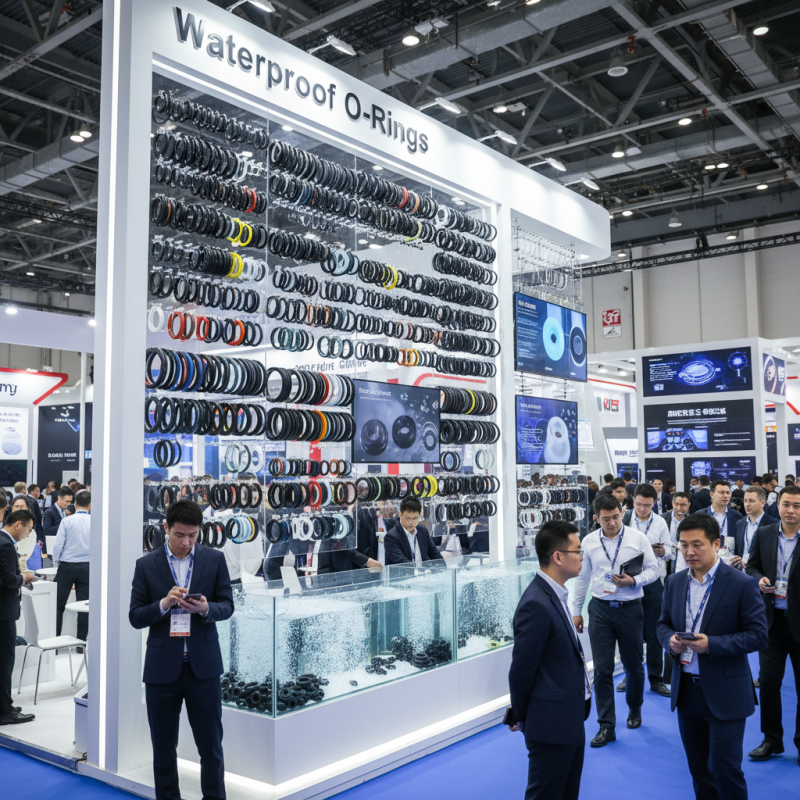
Definition and Purpose of Waterproof O-Rings
Waterproof O-rings play a crucial role in various industries, especially in manufacturing and engineering. These sealing components are designed to provide a barrier against water and other liquids. They are typically made of rubber or elastomer materials. The design is simple yet effective. O-rings are circular, which allows them to fit snugly into grooves. This tight fit prevents leaks and protects sensitive equipment from moisture damage.
At the 139th Canton Fair, the focus was on innovation and quality. Exhibitors showcased a variety of waterproof O-rings with enhanced materials. Some O-rings were designed for extreme temperatures. Others had unique surface treatments to improve durability. Buyers were particularly interested in testing these samples. However, one common challenge was ensuring compatibility with specific machinery. Not all O-rings fit all applications perfectly.
Understanding the specifications is essential for end-users. While many options are available, the right choice depends on the intended use. Many attendees appreciated the chance to ask questions and gather data. The knowledge gained from these discussions helped clarify some misconceptions. Attending such events offers valuable insights. It fosters innovation and encourages improvements in product design. However, awareness of potential shortcomings also promotes growth in the industry.
Types of Materials Used in Manufacturing Waterproof O-Rings
Waterproof O-rings have become essential in various industries. These rings prevent the passage of fluids and protect components from damage. At the recent 139th Canton Fair, many exhibitors showcased different types of waterproof O-rings. The materials used in their production vary significantly, affecting performance and durability.
Common materials include silicon, rubber, and fluorocarbon. Silicon O-rings are flexible and withstand extreme temperatures. They're often used in food processing. Rubber O-rings are cost-effective and offer decent compression. However, they may wear out quickly in harsh environments. Fluorocarbon O-rings excel in chemical resistance but can be expensive. Their longevity might not justify the price for all applications.
It's interesting to see how the choice of material impacts the overall product. Sometimes, manufacturers overlook specific needs, leading to potential issues. For example, a cheap rubber O-ring might be used in a critical application, resulting in leaks. Buyers need to consider the environment in which O-rings will function. The right choice ensures reliability and reduces maintenance costs. Engaging with experts at fairs like Canton can help clarify these crucial details.
Applications of Waterproof O-Rings in Various Industries
Waterproof O-rings serve vital roles across various industries. They are essential for creating seals that prevent water from entering machinery. In automotive applications, waterproof O-rings ensure that components stay protected from moisture. This protection extends the lifespan of engines and critical systems.
In the marine sector, these O-rings are crucial for boats and other watercraft. They help keep equipment dry and functioning properly. However, some manufacturers struggle with quality control. Inconsistent materials can lead to leaks. This potential failure highlights the importance of rigorous testing.
In the electronics industry, waterproof O-rings are used in devices exposed to wet conditions. They help maintain the integrity of sensitive components. Yet, choosing the right size and material is not always straightforward. Miscalculations can cause issues. Understanding the specific needs of each application is key. It's a complex process that requires careful consideration.
Key Features and Benefits of Waterproof O-Rings
Waterproof O-rings are gaining attention at the 139th Canton Fair. These vital components are used across many industries. Their ability to create tight seals helps in preventing water ingress, which can be crucial for equipment longevity.
One key feature of waterproof O-rings is their material composition. Typically made from synthetic rubber or elastomers, they offer excellent resistance to moisture. This makes them ideal for applications in marine, automotive, and industrial sectors. Their flexibility allows for easy installation in various settings.
In terms of benefits, waterproof O-rings enhance reliability. They minimize the risk of malfunction caused by leaks. However, not all O-rings are created equal. Different sizes and hardness levels may lead to improper fitting. This can result in leaks or even part failure. Understanding the specific needs of your application is crucial for selecting the right O-ring.
What are Waterproof O-Rings at the 139th Canton Fair? - Key Features and Benefits of Waterproof O-Rings
| Feature | Description | Benefits |
| Material | Made from synthetic rubber or other elastomers | Highly resistant to water and different chemicals |
| Temperature Range | Functionality from -40°C to 200°C | Suitable for various environmental conditions |
| Durability | Long-lasting with excellent tensile strength | Reduces the need for frequent replacements |
| Usage | Ideal for hydraulic systems, plumbing, and outdoor applications | Versatile application across multiple industries |
| Customizability | Available in various sizes, shapes, and colors | Meets specific installation needs and preferences |
Trends and Innovations in Waterproof O-Ring Design at the Canton Fair
The 139th Canton Fair showcased the latest trends in waterproof O-ring design. Companies presented innovative materials and techniques. Many O-rings now feature improved thermal resistance. This enhances their durability and performance in harsh conditions.
One noticeable trend was the focus on customization. Buyers showed interest in various sizes and shapes. Some designs even included color-coded options for easy identification. However, not all innovations were practical. A few designs seemed overly complex and hard to manufacture.
Sustainability also emerged as a key theme. Eco-friendly materials gained attention. Some exhibitors highlighted biodegradable options. Yet, the effectiveness of these materials in extreme situations remains uncertain. There is still room for improvement in balancing sustainability and performance. The conversation about waterproof O-rings continues to evolve.
Waterproof O-Ring Trends at the 139th Canton Fair