What is a Vertical Expander Machine and How Does it Work?
The Vertical Expander Machine is a critical tool in modern manufacturing processes. This equipment enhances productivity by efficiently converting materials into required forms. According to industry studies, nearly 70% of manufacturers report improved production rates through the use of vertical expanders. These statistics highlight the vital role this machine plays in streamlining operations.
Understanding how a Vertical Expander Machine works is essential for manufacturers seeking to optimize their processes. It utilizes advanced technology to expand and position materials accurately. Precision is key, and the machine's design contributes significantly to reducing waste. However, some users may struggle with calibration, which can lead to inconsistencies in product quality. These challenges necessitate a reflection on best practices and operator training.
In summary, the Vertical Expander Machine stands as a pillar of efficiency in manufacturing. The data showcases its potential, but it also reveals areas for improvement. Companies must adapt and refine their approaches to maximize the benefits of this machine.
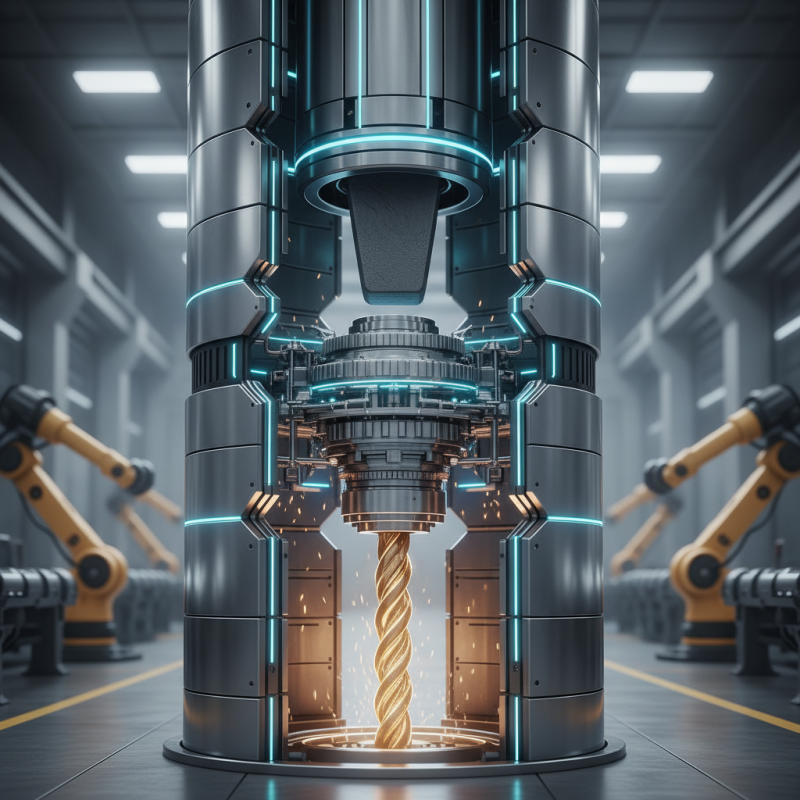
What is a Vertical Expander Machine?
A vertical expander machine is a specialized device used in the manufacturing sector. It plays a crucial role in expanding and shaping materials, particularly in metalworking and textile industries. The machine operates by applying controlled pressure to the material, enabling it to reach desired dimensions and properties. This process is vital for creating components used in various applications, from automotive parts to industrial fabrics.
According to industry reports, the global vertical expander machine market is projected to grow significantly, driven by increasing demand in the manufacturing sector. Factors such as the need for precision and efficiency contribute to this trend. The optimal use of these machines can yield improved product quality and production rates.
Tips: When using a vertical expander machine, ensure regular maintenance checks. This practice prolongs the machine's lifespan and maintains its performance. Additionally, understanding the specific material properties is crucial for achieving the best results.
While the benefits are clear, there are challenges. Operator training is often overlooked, which can lead to errors. Careful attention to setup and calibration is necessary to avoid costly mistakes. Investing in training resources can mitigate this risk, ensuring consistent output and quality.
Key Components of a Vertical Expander Machine
Vertical expander machines are essential in various industries, particularly in the processing of materials like metals and plastics. Understanding their key components is crucial for optimizing performance. One vital part is the expander chamber. This chamber is designed to allow controlled airflow and material expansion, which enhances efficiency. Typically, the size of the chamber depends on the machine's overall capacity. A larger chamber can improve material handling, but also requires precise engineering to maintain effectiveness.
Another critical component is the drive mechanism. It often includes a robust motor that powers the machine, ensuring consistent performance under various workloads. According to industry reports, a well-optimized drive can enhance energy efficiency by as much as 30%. This change not only reduces operational costs but also lessens the environmental impact. While the drive mechanism is often taken for granted, its malfunction can lead to significant downtime and increased maintenance costs.
Finally, the control system plays a pivotal role. This system monitors and regulates the entire operation of the vertical expander. Advanced control systems rely on sensors to provide real-time feedback. With reports indicating that accurate monitoring can reduce material waste by approximately 15%, investing in quality control technology should be a priority. Despite advancements, many machines still lack the sophisticated feedback mechanisms necessary for peak performance. Hence, continuous reflection and improvements in design and technology remain key to industry progress.
Vertical Expander Machine Efficiency Metrics
This bar chart displays key metrics related to the performance of a Vertical Expander Machine, including energy consumption, material processing time, output quality, and operational downtime.
Principle of Operation: How a Vertical Expander Works
A vertical expander machine is designed to enhance the performance of various industrial processes. Its working principle is quite fascinating and employs a unique approach to gas expansion. In essence, the machine uses the expansion of gas to convert pressure into mechanical work. This can lead to increased efficiency in applications such as refrigeration or power generation.
During operation, compressed gas enters the machine and undergoes a rapid expansion process. The vertical design promotes a gravitational flow, which aids in the separation of liquid and vapor phases, optimizing performance. Details such as pressure and temperature changes play crucial roles. Operators must pay close attention to these parameters to avoid inefficiencies. Over time, mechanical stress can occur in various components, leading to potential issues that need regular monitoring.
The machine’s reliability hinges on its ability to maintain consistent performance under varying conditions. Users may find themselves facing challenges such as unexpected pressure drops or turbulent flow. Reflecting on these moments is essential for maintenance and operational adjustments. Understanding how to manage these variables takes experience and ongoing learning.
What is a Vertical Expander Machine and How Does it Work?
| Feature | Description |
| Operating Principle | The vertical expander uses a combination of mechanical and hydraulic actions to stretch and expand materials. |
| Applications | Commonly used in the manufacturing of tubes, sheets, and other metal products. |
| Materials Processed | Can work with various metals such as aluminum, steel, and copper. |
| Advantages | Increased efficiency, lower material waste, and improved product precision. |
| Key Components | Includes hydraulic cylinders, control systems, and expansion chambers. |
| Safety Features | Equipped with emergency stop mechanisms and pressure relief valves. |
Applications and Industries Utilizing Vertical Expanders
Vertical expander machines find their applications across various industries. These machines are crucial in the oil and gas sector, particularly in enhanced oil recovery processes. The U.S. Energy Information Administration (EIA) reports that enhanced recovery techniques can increase oil production by up to 30% from existing fields. This significant boost illustrates the value of vertical expanders in optimizing resource extraction.
In the manufacturing realm, vertical expanders play a role in the food industry, especially in expanding snack foods. The global market for expanded snack foods is projected to reach $28 billion by 2025. This shows the growing demand for technologies that enhance food production efficiency. However, incorporating such machines requires careful consideration of energy consumption and waste production, prompting the necessity for further innovations.
The chemical and pharmaceutical industries also benefit from vertical expanders. They are used to facilitate various processes, including mixing and blending. According to industry reports, the global chemical processing market is evolving, with a compound annual growth rate of 4.7%. This growth highlights a continuous need for machinery that can ensure consistency and quality. Continuous optimization and adaptability of these machines remain vital for manufacturing success.
Benefits of Using Vertical Expander Machines in Production Processes
Vertical expander machines offer significant benefits in various production processes. They enhance efficiency by streamlining operations. This type of machinery optimizes the handling and processing of materials, making it crucial in industries like textiles and food production. The vertical design allows for a compact footprint, which saves valuable floor space in manufacturing facilities.
Another advantage lies in improved product quality. Vertical expanders ensure materials are uniformly processed. This consistency is vital for maintaining product standards in competitive markets. Additionally, they can reduce waste during production, leading to cost savings. However, some operators may face challenges in adjusting settings for optimal performance. Regular training is essential to navigate these complexities effectively.
Lastly, the integration of vertical expanders can lead to better workflow. They facilitate smoother transitions between production stages. Operators often find that implementing such machines improves overall productivity. Yet, careful monitoring of equipment is necessary to prevent breakdowns. Continuous evaluation can enhance the machine's reliability, ensuring long-term success in production strategies.