Top 10 Tips for Choosing the Right China Safety Helmet?
Choosing the right China Safety Helmet is crucial for protecting workers across various industries. Statistics from the National Safety Council indicate that head injuries account for 10% of all workplace injuries. This alarming figure highlights the need for robust protective gear. However, selecting the right helmet can be overwhelming due to the variety of options available.
Many buyers overlook important features that enhance safety. A helmet’s material, weight, and fit play a significant role in its effectiveness. Reports show that nearly 50% of safety issues stem from improper helmet selection and use. A reliable China Safety Helmet must meet specific standards, such as compliance with GB standards, which ensure quality and safety.
In the fast-evolving industrial landscape, it’s essential to balance safety and comfort. Users often prioritize style over protection, which can lead to tragic results. Educating oneself about the latest innovations and safety ratings is pivotal. Investing in the right helmet not only saves lives but also enhances productivity in the long run.
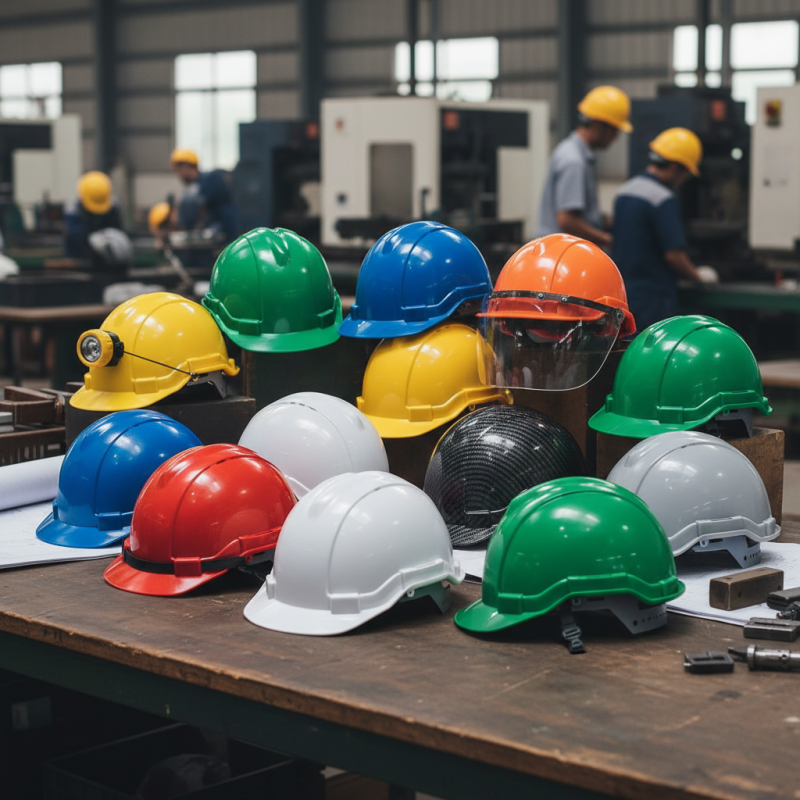
Understanding the Different Types of China Safety Helmets Available
When selecting a safety helmet in China, it's vital to understand the different types available on the market. Helmets can vary significantly in design and safety features. Common types include hard hats, bump caps, and full-brim helmets. Hard hats are essential for construction sites due to their robust protection against falling debris. Bump caps, on the other hand, are lighter and offer basic protection against light bumps and scrapes. Full-brim helmets provide additional sun protection, making them ideal for outdoor environments.
Consider your specific needs before making a choice. Think about the work environment and the types of hazards you might encounter. For instance, working at heights may require a helmet with enhanced features, such as a chin strap and increased impact resistance. Comparing standards and certifications can also provide insights into a helmet's safety credentials.
Here are some tips to keep in mind. Always ensure a proper fit; a helmet that is too loose or tight may not offer the needed protection. Regularly inspect for cracks or wear. If you observe any damage, it’s time for a replacement. Lastly, consider comfort features like ventilation and padding, as these can affect long-term wearability. Prioritize safety, but don’t forget the importance of comfort.
Key Safety Standards and Certifications for China Safety Helmets
When selecting safety helmets in China, understanding the key safety standards and certifications is crucial. There are several recognized standards, including the GB 2811-2007 and EN 397. These outline the performance requirements for industrial helmets. Notably, the GB standard requires helmets to withstand impact forces of up to 5 kg dropped from a height of 1.5 meters. This means a helmet must not only absorb the impact but also prevent penetration by sharp objects.
Additionally, certification from organizations like the China National Standards Institute ensures compliance. The ISO 3873:1977 standard further differentiates quality helmets by assessing their ability to protect against electrical hazards. Reports indicate that nearly 30% of workplace injuries are head-related. Choosing a certified helmet can significantly reduce such risks.
The process of verifying a helmet’s quality can be overwhelming. Many users may overlook certifications. This can lead to confusion and potential safety risks. It’s essential to examine labels and manuals carefully. Consumers must also consider manufacturing materials and design ergonomics. A helmet’s comfort can influence its consistent use in the workplace. Remember, a helmet is only effective if it’s worn correctly and consistently.
Factors to Consider When Sizing a China Safety Helmet Properly
Choosing the right safety helmet is crucial for ensuring protection in hazardous environments. Proper sizing is an essential factor that directly impacts safety. An ill-fitting helmet can compromise safety, leading to unfortunate accidents. To avoid this, several tips can help you find the right size.
Start by measuring your head circumference. Use a flexible tape measure. Wrap it around the widest part of your head, just above your eyebrows. This measurement will guide you in selecting the correct helmet size. Keep in mind that different manufacturers may have varying sizing charts. Always check those charts before making a decision.
Comfort is vital in helmet selection, too. A helmet should feel snug but not too tight. Adjust the chin strap to ensure it provides a secure fit without causing discomfort. Additionally, consider the helmet's weight. A lighter helmet can enhance usability but should still meet safety standards. Reflect on how long you will wear the helmet. If it’s for extended periods, comfort becomes increasingly important.
Selecting the Right Material for Durability and Comfort in Helmets
When selecting a safety helmet, material choice is vital. Common materials include polycarbonate, fiberglass, and ABS plastic. Polycarbonate is lightweight and resistant to impact. Fiberglass helmets offer excellent durability but can be heavier. ABS plastic is cost-effective but may lack some durability compared to the others.
Comfort also plays a significant role in material selection. The inner padding and ventilation can affect the wearing experience. Helmets with moisture-wicking liners improve comfort during prolonged use. Check the weight of the helmet; it should feel balanced on your head. An overly heavy helmet can lead to neck strain over time.
Consider the environment where the helmet will be used. High-temperature conditions can affect certain materials' performance. Some helmets may not withstand extreme heat or cold. Perform your own tests whenever possible. Ultimately, the perfect helmet may not exist. Balance comfort and durability based on your specific needs and use cases. Prioritize safety, but also reflect on your preferences and experiences.
Evaluating Additional Features and Accessories for Enhanced Protection
When selecting a safety helmet, additional features can significantly enhance protection. Look for models with adjustable straps. This ensures a snug fit, preventing the helmet from shifting during use. The weight of the helmet also matters. A lighter design improves comfort, especially during long hours of wear.
Ventilation is crucial as well. Good airflow reduces sweat build-up, keeping the user cool. Consider helmets with a removable lining. This allows for easy cleaning and maintenance. A well-maintained helmet will last longer and remain effective. Reflective strips improve visibility in low-light conditions, adding an extra safety layer.
Don’t overlook accessories like visors or earmuffs. Visors protect against flying debris. Earmuffs reduce noise exposure in loud environments. However, keep in mind that additional features may add weight. It’s essential to balance comfort and safety. A helmet that’s too heavy can discourage prolonged use. Evaluate your needs and environment to find the best combination.