Top Rated Offline Inverters from China for Global Buyers?
In recent years, the demand for reliable power solutions has surged, particularly among global buyers seeking quality Offline Inverters. These devices serve as crucial power backup options for various applications. Their ability to function without a constant grid connection makes them indispensable in remote areas and during power outages. However, selecting the right Offline Inverter can be challenging due to the multitude of options available.
Chinese manufacturers dominate this market, offering a range of products that cater to different needs. Many of these inverters boast advanced features, yet not all meet high standards of quality. It’s essential to differentiate between reputable brands and lesser-known ones. Many buyers have voiced concerns about performance and durability, encouraging them to seek out top-rated models.
Understanding the specifications and performance metrics of Offline Inverters can help in making informed choices. Features such as efficiency ratings and battery compatibility are critical. Buyers should reflect on their specific power needs before investing. Despite the vast options available, careful consideration can lead to the right solution for efficient power management.
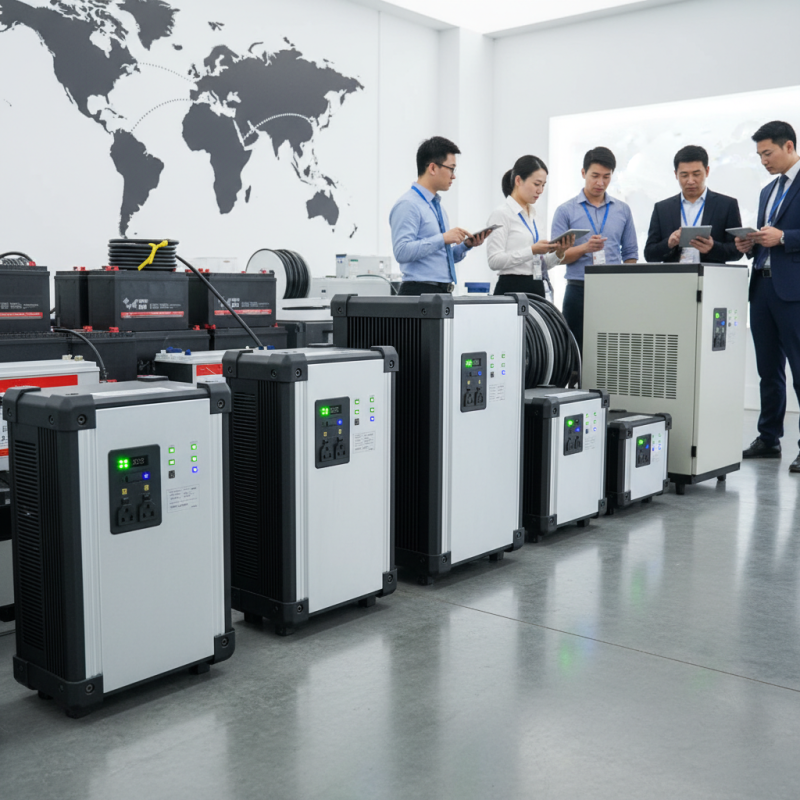
Top Rated Offline Inverters: Overview of Chinese Manufacturers
In recent years, Chinese manufacturers have gained significant traction in the offline inverter market. These companies emphasize quality and efficiency. Many of them use advanced technology to create reliable products. Buyers from around the globe now seek these inverters for both residential and commercial applications.
The production process is vital. Manufacturers often invest in state-of-the-art facilities. They focus on strict quality control measures. However, some factories may still face challenges in maintaining consistent standards. Prospective buyers should verify the credentials of these manufacturers. Reading customer reviews can provide insights into product performance. Additionally, building direct relationships can enhance trust and ensure product reliability.
Choosing the right offline inverter requires careful consideration. Potential users should assess their energy needs. It's crucial to ensure that the inverter's capacity aligns with these needs. Moreover, the overall design and usability play significant roles. Some products may lack user-friendly features, leading to frustrations. Understanding individual requirements can help buyers make informed decisions.
Key Features and Specifications of Top Offline Inverters
In recent years, offline inverters from China have gained popularity among global buyers. These devices play a crucial role in converting DC power to AC power, particularly in areas with unstable electricity supply. Key features of these inverters often include high efficiency, compact design, and robust safety mechanisms. For example, many top-rated models claim efficiency ratings between 85% to 95%, indicating their effectiveness in power conversion.
Specifications such as output capacity and waveform type also vary widely. Common ranges for output capacity extend from 500W to 5000W, catering to different consumer needs. The square wave or modified sine wave outputs of some budget models may not be suitable for sensitive electronics. Industry reports suggest that over 30% of users face issues related to the inverter's output quality when using lower-tier models. This highlights the importance of considering both specifications and intended applications before purchasing.
Another aspect to consider is the build quality and warranty offered by manufacturers. Many inverters come with a warranty period of 1-3 years. However, user feedback indicates that reliability can significantly differ among brands. Surveys indicate up to 20% of users experienced performance issues within the warranty timeframe. This discrepancy suggests a need for thorough research before committing to an inverter purchase, focusing on real-world performance rather than just specifications alone.
Market Trends Influencing the Offline Inverter Industry
The offline inverter market is steadily evolving. Recent reports indicate a growing demand for reliable energy solutions. In 2023, the global offline inverter market was valued at approximately $3 billion. This figure is expected to reach $5 billion by 2027, reflecting a compound annual growth rate (CAGR) of 10%. Such growth highlights the increasing reliance on offline inverters, especially in regions with unstable grid power.
Market trends show an uptick in renewable energy integration. Many consumers seek ways to harness solar power effectively. A recent study revealed that about 40% of new offline inverter installations are linked to solar systems. This transition is essential for energy security. However, the industry must address issues like battery compatibility and system efficiency. Consumers often experience confusion regarding these aspects.
**Tip:** Research inverter specifications before purchasing. Understanding peak and continuous power ratings can prevent future problems.
Another trend is the rise of smart inverters. These devices offer advanced features, such as remote monitoring. According to industry analysts, around 25% of offline inverter sales now include smart technology. However, the technology can be complicated. Users sometimes struggle to adapt to new features. Simplified user interfaces can help, but not all manufacturers prioritize this.
**Tip:** Look for user reviews that discuss ease of use. Real experiences provide valuable insights into product usability.
Comparison of Pricing and Value Among Chinese Brands
When exploring offline inverters, pricing and value are crucial factors for global buyers. Chinese brands often offer competitive rates, but the perceived value can vary significantly. Many users find that lower-priced inverters may lack certain features or durability. The initial investment might seem appealing, but long-term performance issues can lead to increased costs.
Inverters from China come in various quality levels. Buyers should carefully evaluate specifications and reviews. Features like efficiency ratings and warranty terms play vital roles in determining overall value. Some reputable manufacturers provide excellent support, enhancing reliability and user satisfaction. However, customers may encounter challenges if they choose lesser-known brands with limited service.
Budget-conscious buyers need to balance costs and features. Cheaper inverters could result in frequent repairs or replacements. Investing a bit more upfront may yield better performance and longevity. The lesson here is to look beyond just the price tag. An informed decision can lead to significant savings and greater efficiency in the long run.
Top Rated Offline Inverters from China for Global Buyers
| Model | Power Output (kW) | Efficiency (%) | Price (USD) | Warranty (Years) |
| Model A | 5 | 95 | 650 | 2 |
| Model B | 3 | 93 | 400 | 1 |
| Model C | 7 | 97 | 800 | 3 |
| Model D | 10 | 96 | 1000 | 5 |
| Model E | 4 | 92 | 450 | 2 |
Global Buyer Considerations for Selecting Offline Inverters
When selecting offline inverters, global buyers should consider several crucial factors. Efficiency is key. A high-efficiency inverter converts more solar energy into usable power. According to industry reports, inverters should have at least 90% efficiency to maximize returns. This contributes to energy savings and overall system performance.
Cost is another significant factor. Prices can vary widely depending on specifications and technology. Buyers should compare the costs of warranties, installation, and support. Reliable data shows that investing in higher-quality units can reduce long-term maintenance costs. This investment pays off over years of operation.
Buyers should also investigate certifications and safety ratings. Inverters must comply with international standards. A lack of compliance may lead to system failures. Research indicates that well-certified products are often more reliable and safer. Lastly, customer support matters. Poor support can lead to delays and increased frustration during installation. In an industry where technology is rapidly advancing, reliable service is essential for troubleshooting and updates.