Top Act Peptide Synthesizer Manufacturers You Should Know?
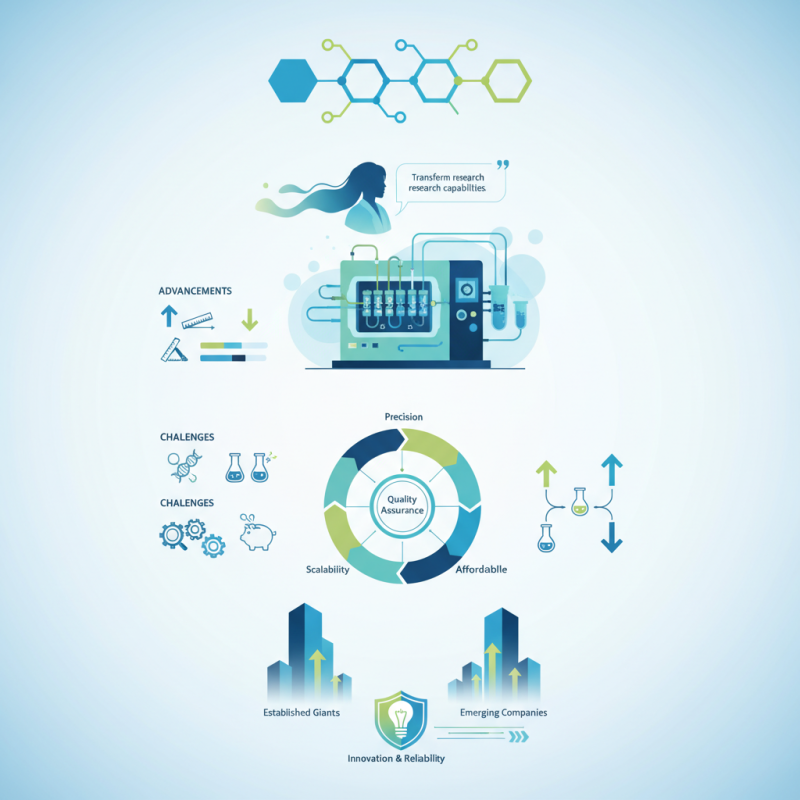
In the realm of biotechnology, "Act Peptide Synthesizer Manufacturers" play a crucial role. These companies innovate and create high-quality peptide synthesizers. Dr. Sarah Thompson, a leading expert in peptide technology, asserts, “The right synthesizer can transform research capabilities.”
The industry has seen significant advancements, yet challenges remain. Many manufacturers strive for precision, scalability, and affordability. However, not all synthesizers meet the rigorous standards required for research. A focus on quality assurance can lead to discrepancies in results, ultimately impacting scientific outcomes.
Furthermore, some emerging companies struggle to gain recognition. Established giants dominate the market, making it difficult for new players to showcase their potential. Therefore, identifying the top Act Peptide Synthesizer Manufacturers is essential for researchers seeking reliable equipment and effective solutions. Innovation and reliability must go hand in hand as the industry evolves.
Overview of Peptide Synthesizers and Their Applications
Peptide synthesizers are essential tools in biochemical research and drug development. They facilitate the production of peptides, which play critical roles in various biological processes. These synthesizers automate complex procedures, enhancing efficiency in laboratory settings.
In the realm of applications, peptide synthesizers serve multiple purposes. They are pivotal in creating therapeutic peptides for conditions like diabetes and cancer. Advances in synthesizer technology have improved the accuracy of peptide bonds and reduced synthesis time. However, the complexity of certain peptide sequences still presents challenges. Not every synthesizer is equipped to handle intricate designs, leading researchers to rethink their approaches.
As the demand for customized peptides grows, so does the need for reliable synthesizers. Users must continually assess their equipment's performance and reliability. The market offers many options, but not all meet highest standards. Understanding limitations can guide researchers towards better choices.
Top Peptide Synthesizers by Output Capacity
This bar chart illustrates the output capacity of various top peptide synthesizers. The values represent the daily production capability in grams, showcasing the efficiency of different models in the market.
Key Features to Consider in Peptide Synthesizers
When considering peptide synthesizers, key features play a vital role in selecting the right equipment. One major aspect is the synthesizer's efficiency. Look for machines that streamline the synthesis process. This can save time and resources. High throughput capabilities can be particularly beneficial for researchers working with multiple peptides.
Another important feature is user-friendliness. While advanced technology is vital, the ability to operate the synthesizer easily matters just as much. A clear interface can greatly enhance productivity. Users often face challenges navigating complex systems. Simplified controls can minimize errors and improve overall outcomes.
Finally, it’s crucial to consider compatibility with various resin types. Not all synthesizers work with every resin available in the market. A mismatch can lead to poor yields and low-quality peptides. Understanding these features is essential for achieving reliable results. These details require careful consideration to prevent potential issues in research.
Top Manufacturers of Peptide Synthesizers Worldwide
Peptide synthesizers play a crucial role in biochemistry and pharmaceutical research. These devices are essential for creating peptides, which have numerous applications in drug development. Understanding the top manufacturers in this industry helps researchers choose reliable and efficient tools.
When selecting a peptide synthesizer, consider the range of peptides it can produce. Not all synthesizers can handle complex sequences. Some may offer high yield, but simplicity is key. Look for a system that balances these factors. Another detail worth noting is the software interface. User-friendly software can drastically improve research efficiency.
Tips: Explore user reviews and feedback. They provide insight into the device's real-world performance. It’s also useful to consult with experienced peers. They may have valuable recommendations. Assess ongoing support and service options before making a decision. This ensures help is available if issues arise.
Always weigh your specific needs against the options in the market.
Comparison of Leading Peptide Synthesizer Brands
In the evolving field of peptide synthesis, understanding the differences among leading brands is vital for researchers. The market is witnessing a notable growth, with projections indicating a CAGR of 10.5% in peptide synthesizer sales through 2025. Factors driving this growth include advancements in technology and a rising demand for therapeutic peptides.
Different brands offer various synthesis techniques, such as solid-phase and liquid-phase methods. Solid-phase peptide synthesizers dominate the market, accounting for approximately 70% of total sales. Their efficiency in producing complex peptides is highly valued among scientists. However, some users report difficulties with machine maintenance and the learning curve involved in operation.
Liquid-phase synthesizers, while less prevalent, are appreciated for their flexibility in handling larger-scale productions. About 30% of peptide research facilities may utilize them for specific applications. Users sometimes find them challenging for certain peptide sequences. Ultimately, the choice depends on individual research needs and resources available. Each synthesizer brand has strengths and weaknesses that require careful consideration.
Future Trends in Peptide Synthesis Technology
Peptide synthesis technology is advancing quickly. Recent reports show that the peptide synthesis market is expected to grow significantly. A study predicts a CAGR (Compound Annual Growth Rate) of over 8% between 2023 and 2030. This growth is largely driven by increasing demand in pharmaceuticals and biotechnology.
Emerging trends include automation and miniaturization. Automated synthesis systems reduce human error and increase efficiency. Miniaturization allows for the production of smaller peptides at a lower cost. However, the high initial investment for these technologies may limit access for smaller entities. There is an ongoing debate about balancing cost and innovation in this sector.
Additionally, the use of green chemistry in peptide synthesis is gaining traction. Eco-friendly methods promise safer processes and compliance with regulatory standards. Companies are exploring ways to minimize waste and reduce environmental impact. However, the effectiveness and scalability of these methods are still under scrutiny. The future of peptide synthesis holds exciting possibilities, but challenges remain in ensuring quality and accessibility.
Top Act Peptide Synthesizer Manufacturers You Should Know? - Future Trends in Peptide Synthesis Technology
| Manufacturer | Country | Peptide Synthesizer Model | Max Peptide Length (AA) | Synthesis Technology | Pricing Range (USD) |
| Manufacturer A | USA | Model X1 | 50 | SPPS | 100,000 - 150,000 |
| Manufacturer B | Germany | Model Y2 | 60 | Fmoc | 120,000 - 180,000 |
| Manufacturer C | Japan | Model Z3 | 80 | SPPS | 150,000 - 200,000 |
| Manufacturer D | Switzerland | Model W4 | 100 | Both SPPS and LPPS | 200,000 - 300,000 |