Top Floor Drain Options for Your Home Renovation Needs?
When planning a home renovation, choosing the right floor drain is crucial. A floor drain serves multiple functions and can enhance various spaces. They manage water flow, prevent flooding, and support hygiene in bathrooms and kitchens. Selecting the best options for your home can be overwhelming, given the variety of designs and materials available.
Different types of floor drains cater to specific needs, like shower drains, trench drains, and general utility drains. Each type has its pros and cons, which are worth considering. For instance, a trench drain offers greater capacity but may require more maintenance. On the other hand, shower drains are designed for style and efficiency but sometimes clog easily.
Your floor drain choice reflects your home's design and functionality. It's not just about aesthetics; practicality matters too. Investing time in selecting the right floor drain can prevent costly repairs in the long run. Ultimately, understanding your needs will lead to a more informed decision, ensuring your home renovation meets expectations.
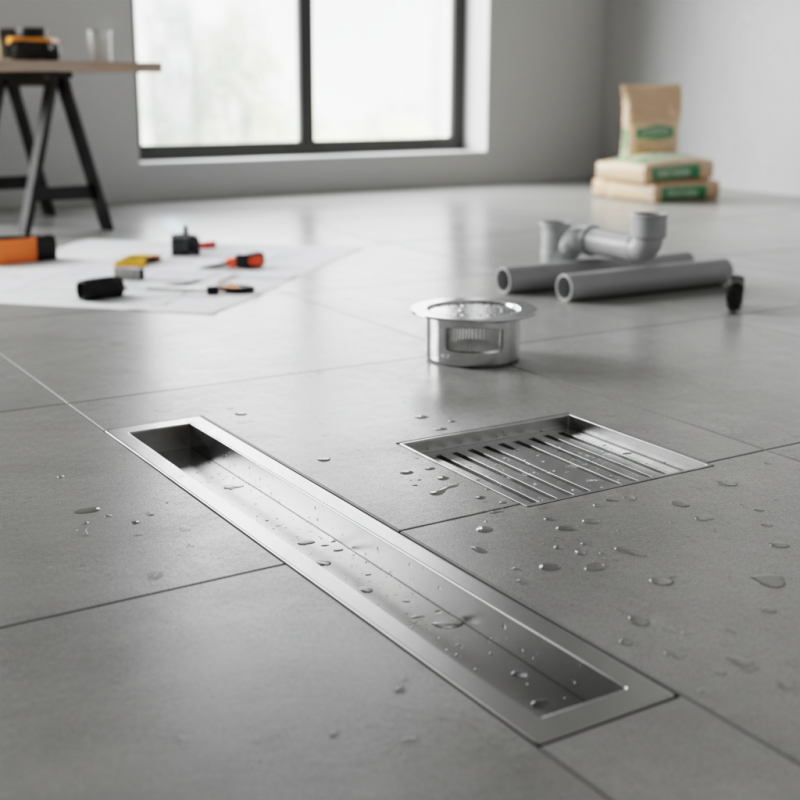
Understanding the Importance of Floor Drains in Home Renovation
Floor drains are often overlooked during home renovations, yet they play a crucial role in preventing water damage. Proper drainage helps avoid flooding and mold growth. A thoughtfully installed floor drain can protect your investment in home improvements.
Different areas of your home may require specific types of floor drains. A bathroom may need a trap to handle soapy water effectively. A laundry room might benefit from a larger drain for heavy usage. Understanding the specific needs of each space helps in making informed decisions. Inadequate drainage can lead to costly repairs and health risks down the line.
Floor drains also provide a sense of security during heavy rains. Homeowners often underestimate their importance until a flood occurs. Choosing the right floor drain system involves considering your home's layout and potential water flow. Making the wrong choice can result in unwanted surprises. It is essential to assess your renovation plans carefully.
Types of Floor Drains: Exploring Material and Design Options
When it comes to floor drains, material and design can significantly impact functionality. Stainless steel remains a top choice due to its durability and resistance to corrosion. According to industry reports, 85% of homeowners prefer stainless steel for its modern aesthetic and longevity. However, plastic drains are also gaining popularity because of their cost-effectiveness and lightweight nature.
In terms of design, the trend leans towards minimalistic styles that blend well with modern home interiors. Grate styles vary, with options like slotted, square, and linear. Each design serves distinct drainage needs. Consider that linear drains can efficiently handle larger volumes of water, making them suitable for high-traffic areas. Meanwhile, traditional round drains fit seamlessly into smaller spaces.
Tip: Always assess your space before choosing a floor drain. Measure the area to ensure compatibility. Review local plumbing codes for compliance.
Moreover, think about maintenance. Some designs can trap debris easily, leading to clogs. Investing in lower-maintenance options may save you time and expense down the line. What's ideal for one setting may not work for another; consider your unique space requirements.
Key Features to Consider When Choosing a Floor Drain
When selecting a floor drain for home renovations, understanding key features is essential for optimal performance. According to the National Association of Home Builders, improper drainage can lead to costly water damage. Thus, homeowners should assess drainage type, size, and design carefully. Many drains offer either linear or circular options; linear drains are often favored for their modern aesthetic and efficient water flow.
Another critical factor is the material. Stainless steel drains provide durability and resistance to corrosion. Reports indicate that 70% of homeowners prefer stainless materials for their longevity. Additionally, consider the drain's flow rate. A drain capable of handling a higher flow rate can prevent flooding during heavy rainfall or water usage. It’s worth noting that not all models meet these performance standards, and selecting the right one requires diligent research.
Installation is another area where challenges may arise. Proper installation can often be overlooked. Many homeowners face issues during DIY projects, leading to suboptimal drainage performance. Seeking professional advice can help mitigate this risk. It’s important to remember that each space is unique, and solutions should reflect this truth. A well-considered choice not only enhances function but also contributes to the overall design of the space.
Installation Considerations for Effective Floor Drain Placement
When considering floor drain installation, placement is key. The location can affect both drainage efficiency and aesthetics. Drains should be strategically positioned in high-traffic areas, like kitchens and bathrooms. Keep in mind that the slope of the floor should guide water towards these drains. A common oversight is not accounting for the floor’s slope. A slight angle can significantly improve drainage.
Another factor to consider is compatibility with your existing plumbing. Ensure the drain connects properly to your home’s plumbing system. It’s important to assess the materials used in both the drain and pipes. Choosing the right materials helps avoid leaks and extends the life of your drainage system. A well-installed drain can prevent mold and water damage, which are costly issues.
DIY installations can often lead to mistakes. Be cautious with measurements and layout. If you're unsure, consulting a professional can provide insights that may save you from future regrets. Properly placed drains can enhance the comfort of your home and protect your investment. Remember, thoughtful planning is essential for a successful renovation.
Top Floor Drain Options for Your Home Renovation Needs
| Drain Type | Material | Drain Size (inches) | Installation Difficulty | Best Use |
| Channel Drain | Stainless Steel | 3 - 12 | Moderate | Outdoor Patios |
| Point Drain | PVC | 2 - 4 | Easy | Shower Areas |
| Trench Drain | Concrete | 6 - 24 | Hard | Driveways |
| Floor Sink | Cast Iron | 4 - 10 | Moderate | Commercial Kitchens |
| Linear Drain | Brass | 4 - 12 | Challenging | Luxury Bathrooms |
Maintenance Tips for Ensuring Long-lasting Floor Drain Performance
Maintaining floor drains is crucial for optimal performance in any home. Regular inspections are key. Reports indicate that 20% of homeowners experience issues due to neglect. Simple maintenance tasks can prevent costly repairs. Clean your drains monthly. Remove debris that can clog the system, leading to stagnant water. This simple action can extend the life of your drains significantly.
Inspecting the drain cover is another essential step. A well-fitted cover prevents dirt and leaves from entering. According to industry studies, improperly fitted covers contribute to 15% of floor drain failures. Homeowners should also check the trap regularly. A dry trap can lead to foul odors and sewer gas leaks. Fill the trap with water if it appears dry.
Using a mixture of vinegar and baking soda can clear minor blockages. This approach is both eco-friendly and effective. However, heavy-duty clogs may require professional help. Ignoring small issues can lead to bigger problems down the road. Ensuring that your floor drains remain in good condition requires diligence. Every small maintenance effort counts.