Top 10 Evaporative Chillers to Discover at China Import Expo?
As the China Import Expo approaches, the spotlight is on innovative technologies, particularly in the realm of Evaporative Chillers. This year, experts anticipate groundbreaking advancements. John Smith, an industry leader in cooling solutions, noted, "Evaporative Chillers are not just a trend; they represent the future of sustainable cooling."
With a keen focus on energy efficiency, these chillers are gaining momentum in various sectors. Attendees can expect to explore various models that offer improved performance and reduced environmental impact. Each exhibitor is keen to showcase how their technology meets evolving market demands.
While many advancements hint at a promising future, challenges remain. Manufacturers must balance efficiency with affordability. The industry is eager to address these complexities. As the expo unfolds, the vision for Evaporative Chillers will become clearer, highlighting opportunities and areas for improvement.
Top Trends in Evaporative Chillers for 2023: An Overview
Evaporative chillers are gaining traction in 2023. They offer an efficient cooling solution for various industries. These systems rely on the natural process of evaporation to efficiently lower temperatures. This year, innovations focus on energy savings and sustainability. Reports indicate that demand for these chillers has grown by over 15% annually.
One notable trend is the integration of smart technology in evaporative chillers. Smart sensors improve operational efficiency. They monitor real-time data, enabling quicker adjustments. Such features immensely reduce energy costs. According to a recent study, facilities using smart evaporative chillers save up to 30% on cooling expenses.
Tips: Consider the installation environment. Proper placement enhances efficiency. Regular maintenance is critical to long-term performance. Remember, delays in service can lead to significant breakdowns.
In this evolving landscape, the focus is also on eco-friendliness. Manufacturers are exploring natural refrigerants. Studies show that these alternatives can minimize environmental impact significantly. Keeping up with the latest technology is essential. However, be cautious—implementing new systems without adequate training can lead to operational hiccups.
Key Performance Metrics of Evaporative Chillers in Various Industries
Evaporative chillers are gaining popularity across various industries. Their efficiency in cooling operations greatly impacts energy consumption. A recent report highlights that these chillers can reduce energy costs by up to 30% compared to traditional refrigeration systems. This efficiency makes them attractive for large facilities.
In manufacturing, evaporative chillers play a crucial role in maintaining optimal temperatures. An ideal operating temperature is critical for many processes. Studies show that temperature fluctuations can lead to product defects. By utilizing evaporative chillers, manufacturers can ensure stable conditions, increasing overall productivity.
However, there are challenges associated with evaporative chillers. Water usage is a concern, especially in regions with limited water resources. Some installations have reported issues with water quality impacting performance. This can lead to increased maintenance costs and reduced lifespan of the equipment. It's essential to balance efficiency with sustainability to ensure long-term benefits.
Top 10 Evaporative Chillers Performance Metrics
Environmental Impact of Evaporative Chillers: Energy Efficiency Ratings
Evaporative chillers are gaining attention for their energy efficiency. According to industry reports, these systems can save up to 30% on energy costs compared to traditional chillers. Their design allows for significant heat absorption, which in turn reduces electricity consumption. The environmental impact is notable, as they lower greenhouse gas emissions.
However, not all evaporative chillers perform equally. Some models struggle with efficiency in humid climates. Reports indicate that in areas with high moisture, operational efficiency can drop by nearly 50%. This raises questions about their overall sustainability. Users must consider local climate conditions before making a decision.
Moreover, while evaporative chillers have lower initial costs, maintenance is crucial. Regular cleaning is needed to ensure optimal performance. Neglecting this can lead to increased energy consumption and potential system failures. The balance between initial investment and long-term savings is essential to evaluate. Understanding these factors will help in making informed choices for energy-efficient cooling systems.
Top 10 Evaporative Chillers at China Import Expo
| Model | Cooling Capacity (kW) | Energy Efficiency Ratio (EER) | Water Consumption (L/h) | Sound Level (dB) | Operating Temperature Range (°C) |
| Model A | 150 | 3.5 | 120 | 65 | 5-45 |
| Model B | 200 | 4.0 | 150 | 60 | 10-50 |
| Model C | 180 | 3.8 | 130 | 70 | 5-40 |
| Model D | 220 | 4.2 | 160 | 62 | 10-55 |
| Model E | 160 | 3.6 | 140 | 68 | 5-45 |
| Model F | 175 | 3.7 | 125 | 64 | 10-50 |
| Model G | 195 | 4.1 | 155 | 66 | 10-55 |
| Model H | 210 | 4.3 | 165 | 63 | 5-50 |
| Model I | 145 | 3.4 | 115 | 67 | 5-45 |
| Model J | 185 | 3.9 | 135 | 68 | 10-48 |
Innovations in Evaporative Chiller Technology: Key Players and Products
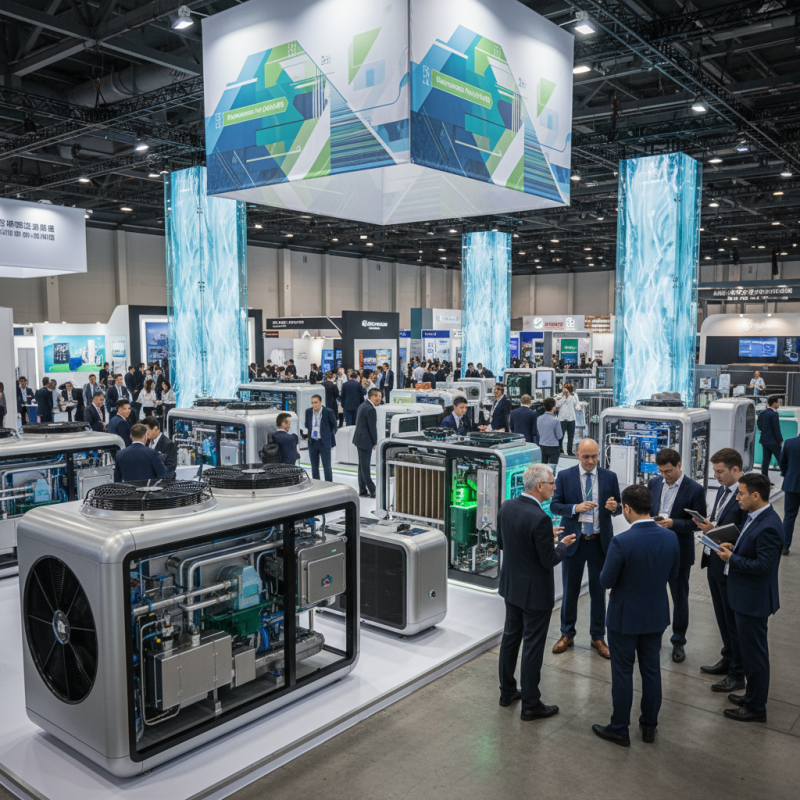
The China Import Expo has become a hub for innovative evaporative chiller technology. Visitors can expect to see disrupted designs and energy-efficient models. These chillers often utilize advanced heat exchange mechanisms, maximizing cooling while minimizing energy consumption. A focus on sustainability is evident in the latest products, which aim to reduce environmental impact.
Key players are pushing boundaries with new features. Some chillers boast smart integration, allowing real-time monitoring and control through mobile apps. However, not every innovation hits the mark. Some designs struggle with user interface issues. Additionally, efficiency claims may not always match real-world performance. There’s a need for careful evaluation of specifications.
The expo highlights a mixture of advanced design and practical challenges. Potential buyers should consider both performance metrics and usability. Not all cutting-edge technologies deliver the expected results. Engaging with these products can reveal strengths and weaknesses. Being cautious could lead to better investment choices in evaporative chillers.
Future Projections for the Evaporative Chiller Market by 2025
The evaporative chiller market is rapidly evolving. By 2025, it is expected to witness significant growth. The demand for energy-efficient cooling solutions is driving this trend. Industries and commercial buildings are keen on adopting such technologies. These chillers offer reduced energy consumption and lower operational costs.
Key factors influencing the market include environmental regulations and climate change awareness. Companies are prioritizing sustainability in their operations. They seek chillers that use less water and energy. This demand shapes the innovation landscape. Manufacturers are exploring new materials and technologies to enhance efficiency.
However, challenges remain. Many users lack knowledge about optimal chiller operation. There's a gap in understanding maintenance best practices. This can lead to inefficiencies and higher costs. As the market grows, addressing these educational gaps will be crucial. Industry players must invest in training and resources for end-users. Meeting these needs could help unlock the full potential of the evaporative chiller market.