Top 5 Automated Storage Systems You Need to Know About?
In today's fast-paced logistics landscape, an efficient storage system is crucial. Experts like Dr. Emily Roberts, a leading authority on Automated Storage Systems, emphasize, “Automation is the future of warehousing.” Automated Storage Systems streamline operations, enhance accuracy, and save space.
As companies face growing demands, the need for effective storage cannot be overlooked. Traditional methods may falter under pressure. Automated systems can adapt, ensuring seamless inventory management. They use technologies like AS/RS (Automated Storage and Retrieval Systems) to boost productivity. However, implementing these solutions may present challenges. Organizations must consider costs, training, and integration with existing processes.
Choosing the right Automated Storage System is vital for success. There are numerous options available, each with unique benefits. Understanding your specific needs and limitations can guide this decision. Emphasizing the importance of balance, Dr. Roberts notes that while automation offers many advantages, careful planning is essential for a smooth transition.
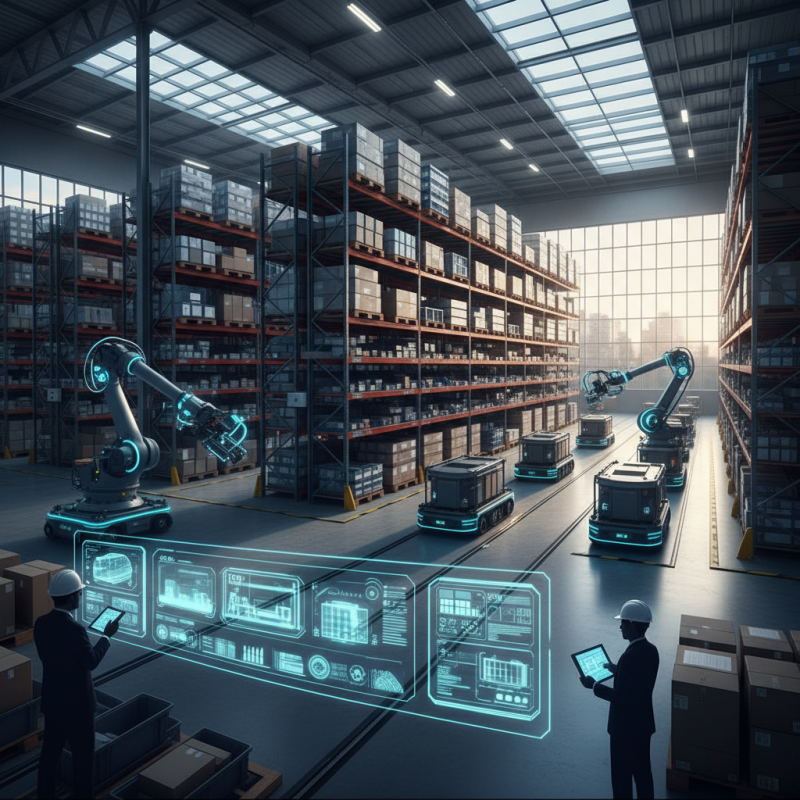
Overview of Automated Storage Systems and Their Benefits
Automated storage systems are revolutionizing the way businesses manage their inventory. These systems improve efficiency significantly. They reduce the time spent on manual tasks. Organizations find that automating storage can lead to reduced labor costs. Less manual handling often means fewer errors. This streamlined process enhances overall productivity.
The benefits are not limited to cost savings. Automated systems offer precise inventory tracking. This ensures that stock levels are always accurate. Real-time data availability helps in quick decision-making. With better inventory management, companies can avoid overstocking or stockouts.
When a system fails, it may cause disruptions. Regular maintenance is crucial to prevent such issues.
Implementation can be complex. Training staff to adapt to new technologies requires time. Integrating automated systems with existing workflows poses challenges. Companies must assess their needs thoroughly before investing. Proper planning can mitigate potential downsides. Balancing automation with human oversight remains vital for operational success.
Factors to Consider When Choosing an Automated Storage System
When choosing an automated storage system, several factors require careful consideration. First, capacity is vital. According to recent industry data, companies experience a 30-40% increase in storage efficiency with the right system. Assessing your current and future storage needs is crucial. You don’t want to invest in a system that can’t scale with your business.
Another key factor is the technology involved. Modern systems often integrate robotics and AI, enhancing inventory management. A study by Gartner shows that businesses utilizing such technology see a 25% reduction in retrieval time. However, the initial investment can be significant, prompting concerns about ROI. This reflects the need for a comprehensive cost-benefit analysis.
Lastly, consider the ease of integration with existing operations. Poor integration can lead to operational disruptions. While automated systems are efficient, they can also introduce complexities. A smooth transition involves training staff and adjusting workflows. Some companies report challenges in this area, indicating that not all implementations are seamless. Thus, a thorough evaluation of these factors ensures a well-informed decision.
Top 5 Automated Storage Systems You Need to Know About
| System Type | Key Features | Advantages | Considerations |
| Shuttle System | High density, flexible layout | Maximizes storage space | Initial cost may be high |
| Vertical Lift Module | Compact design, automated retrieval | Reduces labor costs | Limited by height restrictions |
| Automated Guided Vehicles | Mobile transportation, flexible routing | Versatile and efficient | Requires infrastructure investment |
| Robotic Picking Systems | Advanced robotic arms for picking | Increases picking speed | Complex integration and programming |
| Pallet Racking System | Fixed storage structure | Simple installation and maintenance | Limited automation capabilities |
In-Depth Look at the Top 5 Automated Storage Systems
Automated storage systems are transforming inventory management. These systems enhance efficiency, reducing the time workers spend on finding and retrieving items. They often employ advanced robotics and sophisticated software to optimize space utilization. This technology can dramatically decrease operational costs while increasing accuracy.
The key components include automated retrieval systems and vertical storage units. These systems often require significant initial investment. Yet, the long-term savings in labor and improved inventory control often justify the cost. When implementing these technologies, companies must consider their specific needs. Not every system fits every environment.
Training staff to operate new systems is critical. Without proper training, the accuracy and efficiency gains may not meet expectations. Reflecting on past implementations can provide useful insights. Companies should analyze what worked and what didn't. This approach will lead to better decision-making and enhanced performance in future projects.
Comparative Analysis of Features and Costs of Each System
When choosing an automated storage system, features and costs are crucial. Each system has unique attributes that impact efficiency and budget. For instance, some systems excel in speed and can process items in seconds. Others may focus on volume, offering large-scale storage solutions for high-demand environments. Companies often grapple with the trade-offs between speed and capacity.
Cost analysis should include initial investment and maintenance. Some systems may be affordable upfront but incur high operational costs later. Meanwhile, advanced systems might carry a higher price tag but offer long-term savings through energy efficiency. Buyers often feel overwhelmed by confusing pricing structures. Research is essential to ensure informed decisions.
Maintenance is a critical aspect often overlooked. Regular checks are needed to ensure functionality. Automated systems require skilled technicians to handle repairs and troubleshooting. Organizations must weigh these costs against the convenience provided. The decision-making process is complex, requiring careful thought and analysis to avoid costly missteps in the future.
Future Trends in Automated Storage Technology and Innovations
The future of automated storage technology is both exciting and complex. As industry needs evolve, innovative solutions are emerging. These systems now incorporate advanced AI algorithms for real-time inventory tracking. This leads to improved efficiency and reduced costs. However, the integration of such technology requires careful planning and execution.
Robotics are playing a key role in shaping these innovations. Automated guided vehicles (AGVs) enhance the movement of goods within storage facilities. They can navigate through tight spaces and respond to changing layouts. Yet, reliance on technology raises questions about job displacement. The balance between automation and the human workforce needs careful consideration.
Sustainability is another critical trend in automated storage. Companies are exploring eco-friendly materials for storage units. Energy-efficient systems are becoming the norm. Despite the benefits, challenges remain. Implementing these systems can require significant upfront investment. Organizations must weigh immediate costs against long-term savings and environmental impact. It's clear that the journey toward innovative automated storage is promising, yet fraught with challenges that merit constant reflection.