
Top 10 Artificial Wall Grass Trends for 2026 Canton Fair?

As we approach the 2026 Canton Fair, the spotlight shines brightly on innovative trends, including Artificial Wall Grass. This eco-friendly solution is gaining traction for its versatility and aesthetic appeal in urban landscapes. The fair, running from April to May, showcases cutting-edge technology and design, aligning perfectly with the rise of Artificial Wall Grass in both residential and commercial settings.

At the fair, visitors will discover how Artificial Wall Grass can transform spaces. From enhancing indoor environments to creating lush outdoor areas, this trend reflects a growing desire for greenery in urban life. The integration of AI functionalities at the fair will further streamline the experience, allowing buyers to navigate through the vast exhibition hall with ease.

Artificial Wall Grass not only beautifies spaces but also poses questions for sustainability and authenticity. Are we losing touch with nature by opting for artificial solutions? As manufacturers showcase their latest designs, it’s vital to reflect on the balance between aesthetics and environmental responsibility. The 2026 Canton Fair will be a platform for inspiration, innovation, and critical thinking around this emerging trend.
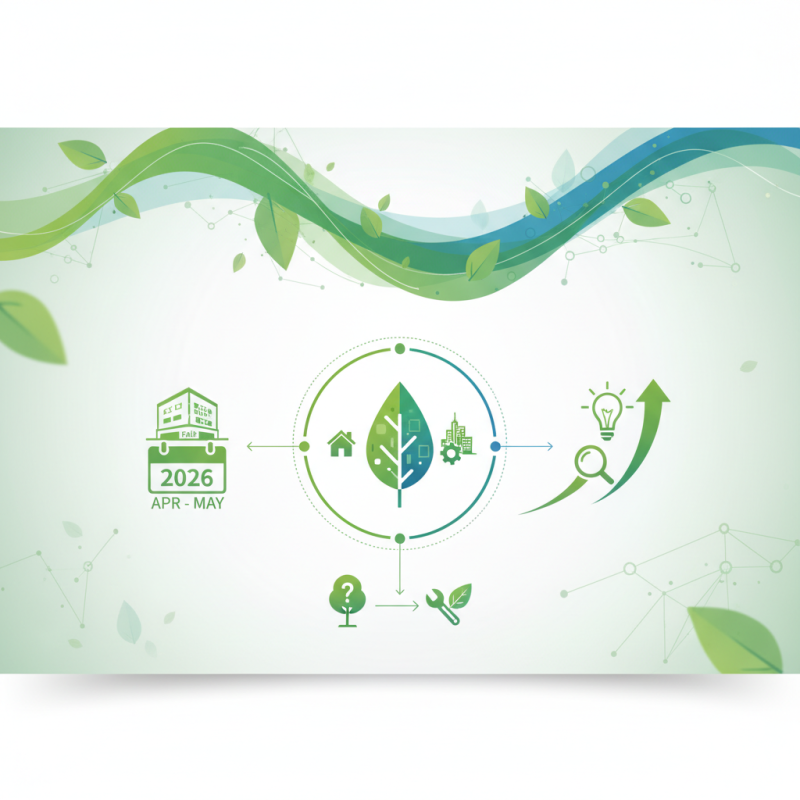
Top 10 Artificial Wall Grass Trends for 2026 Canton Fair?

Emerging Innovations in Artificial Wall Grass for 2026

The artificial wall grass industry is evolving rapidly. Innovations are reshaping aesthetics and functionality. According to a 2023 industry report, the market is projected to grow by 15% annually until 2026. This growth reflects a rising demand for sustainable and cost-effective landscaping solutions.

Emerging technologies focus on creating realistic textures and vibrant colors. Artificial grass now mimics the look and feel of natural grass more effectively. New manufacturing techniques using recycled materials are also gaining traction. This development is essential for reducing environmental impacts.

Tips: Choose products that are UV-resistant. Look for grass with drainage systems to manage water flow. The adaptability of wall grass to indoor and outdoor spaces offers versatility. However, consumers should be aware of maintenance levels. Not all products are equally easy to care for. Research is crucial to avoid common pitfalls. Make informed choices to ensure satisfaction.
Sustainable Materials and Their Impact on Artificial Wall Grass Trends

Sustainable materials are transforming the artificial wall grass market. Many manufacturers are focusing on eco-friendly alternatives. These materials often reduce environmental impact while maintaining quality. For instance, recycled plastics are becoming popular. They provide durability without the hefty carbon footprint. This change is significant.

Consumers are now more aware of sustainability. They prefer products that promote a healthier planet. This demand influences trends. Designers are experimenting with natural fibers blended with synthetic materials. These combinations offer unique textures. Yet, challenges remain. Some of these materials may not meet durability standards. Finding the right balance is crucial for manufacturers.

The design of artificial wall grass is evolving. Vibrant colors and realistic textures are more common. Innovations in production are enabling this shift. But, there's concern over long-term sustainability. More research is needed to ensure these products can last without environmental harm. As the market grows, these complexities will shape future trends.

Design Aesthetics: The Role of Artificial Wall Grass in Modern Spaces

Artificial wall grass is gaining traction in modern design aesthetics. Reports suggest a 30% annual growth in the artificial grass industry. This trend reflects a growing preference for eco-friendly and low-maintenance landscaping solutions. Designers are increasingly incorporating this greenery into both residential and commercial spaces, enhancing visual appeal and sustainability.

Integrating artificial wall grass brings texture and color to urban environments. It can transform stark concrete walls into vibrant green backdrops. However, some designers struggle with how to balance artificial elements with natural surroundings. The challenge lies in creating authenticity while maintaining a modern aesthetic. Often, overly elaborate designs can appear artificial and uninviting.

Incorporating artificial wall grass requires thoughtful consideration. For instance, the right shade of green is crucial. Too bright may feel unnatural, while too dark can limit light. Additionally, installation methods impact the overall look and durability. Research indicates that 45% of consumers prioritize realistic appearances. Therefore, continuous reflection on design choices is essential for achieving harmony in modern spaces.

Top 10 Artificial Wall Grass Trends for 2026 Canton Fair

Trend Description Material Type Color Variations Sustainability Features
Realistic Texture Enhanced surface textures that mimic natural grass. Polyethylene, Polypropylene Green, Dark Green, Light Green Recyclable materials, Low carbon footprint
Vertical Gardens Use of wall grass for creating vertical greenery. Nylon, PVC Variety of greens, Seasonal colors UV resistant, Water-resistant materials
Modular Design Interlocking pieces for easy installation. Polyethylene Mix of greens with interspersed flowers Sustainable sourcing, Durable design
Custom Patterns Tailored designs to fit unique spaces. Polypropylene Gradient shades of green Low maintenance, Long-lasting color
Integrated Technology Incorporating smart lighting and sensors. Mixed materials Natural hues with glows Smart tech integration, Energy efficiency
Maintenance Free No watering or trimming required. Synthetic fibers Evergreen shades Non-toxic materials, Chemical-free
Indoor Air Purification Grass that helps in purifying indoor air. Eco-friendly fibers Lush green Air-cleaning properties
Customized Textures Different textures for varied aesthetics. Polyethylene blends From soft to rough looks Environmentally friendly, Long durability
Biophilic Design Emphasizing a connection to nature. Natural grass fibers Earth tones, Greens Natural sourcing, Eco-conscious
Outdoor Extension Extending garden aesthetics to walls. Weather-resistant materials Various natural greens UV protection, Longevity

Market Influences Driving Artificial Wall Grass Trends in 2026

As we look ahead to the 2026 Canton Fair, the trends in artificial wall grass are shaped by several market influences. The rapid urbanization and a growing desire for aesthetic green spaces are driving demand. Many city dwellers crave nature but lack outdoor areas. Artificial wall grass offers an easy solution. Its low maintenance and durability make it appealing.

Sustainability also plays a significant role. Consumers increasingly prefer eco-friendly products. This shift has prompted manufacturers to focus more on recyclable materials. However, not all brands adhere to sustainable practices. This inconsistency can confuse consumers.[Image] Additionally, the demand for customization is growing. Each space has unique needs, leading to diverse product offerings. Yet, the challenge remains in balancing creativity with functionality.

Another influence is the rise of smart home technology. Integrating artificial wall grass into home décor aligns with modern tech trends. Homeowners want innovative designs that enhance living spaces. But do these trends always reflect genuine interest, or are they just temporary fads? Industry players must consider long-term viability. Amid these influences, the market will continue to evolve, offering new opportunities and challenges.

Future Applications of Artificial Wall Grass Beyond Traditional Uses

The growing popularity of artificial wall grass is shaping various industries. Beyond aesthetic appeal, its future applications could be widespread and innovative. For instance, architecture firms are beginning to adopt these materials for both indoor and outdoor designs. A recent industry report predicts a 25% increase in demand within the next three years. The natural look of artificial grass can enhance any space effectively.

Sustainability is a key factor driving this trend. Artificial wall grass can play a significant role in eco-friendly architecture. Reports show that green walls can reduce energy consumption by up to 30%. This potential for energy savings is compelling for businesses. Nevertheless, it's essential to analyze the lifecycle of these products. Are they truly sustainable in their production and disposal?

In urban environments, the use of artificial grass on walls can improve air quality. Research indicates that these installations can reduce airborne pollutants. They also provide a habitat for some local wildlife, fostering biodiversity. However, the long-term effects on local ecosystems remain uncertain. More studies are needed to understand these implications fully. Exploring the balance between aesthetics and ecological responsibility is crucial.

Optimized by Optimole