
Top 10 12 Port Fiber Termination Box Types
Choosing the right fiber enclosure can influence installation speed, protection, and future maintenance. This guide examines the Top 10 12 Port Fiber Termination Box Types for different network environments. Each type serves a practical purpose, from compact indoor cabinets to weather-resistant outdoor units.
A 12 Port Fiber Termination Box may support fiber termination, splicing, patching, or a combination of these tasks. Its value depends on more than port count. Technicians should check adapter compatibility, cable-entry space, bend-radius control, grounding options, and splice-tray capacity. These details become important inside crowded racks or narrow wall cabinets. Small mistakes matter.
The guide compares common designs by structure, installation method, materials, and protection level. It considers ABS plastic, metal, wall-mounted, rack-mounted, and outdoor configurations. Clear examples will show where each enclosure fits best, such as a dusty access room or a controlled data center. Practical experience suggests that installation conditions often change the final choice. Product labels can also vary between manufacturers, so categories may overlap. That weakness deserves attention.
Reliable selection should follow manufacturer specifications and the network’s actual fiber layout. An enclosure that looks suitable may lack enough cable slack or strain relief. It may also complicate future testing. Readers can use this overview to compare options more carefully, reduce avoidable installation problems, and plan cleaner fiber management. The best choice is rarely the most attractive box. It is the one that remains accessible, protected, and serviceable after deployment.
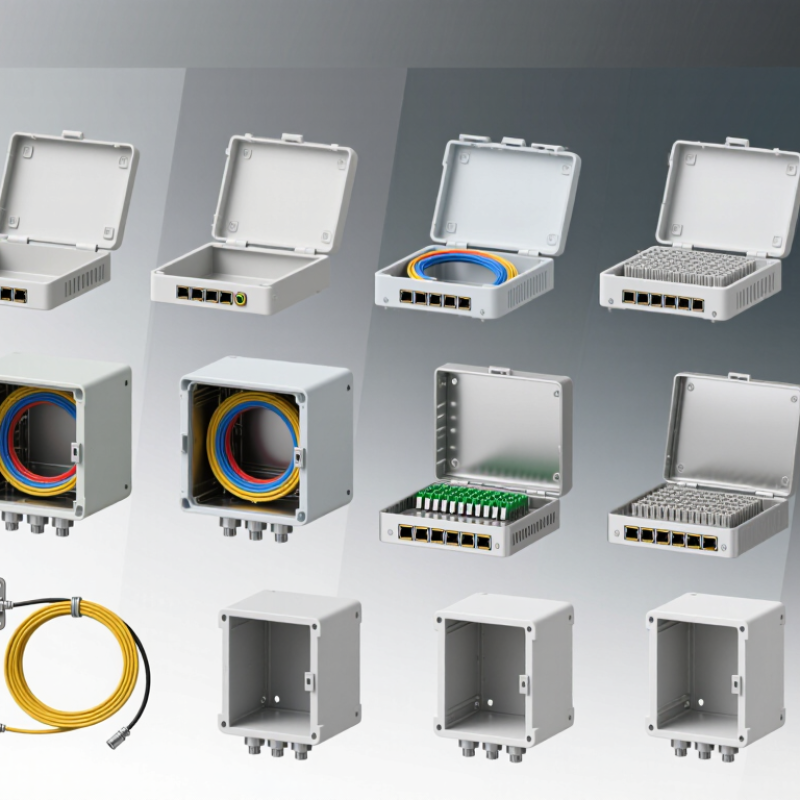
Definition and Purpose of a 12-Port Fiber Termination Box
A 12-port fiber termination box is a compact enclosure designed to terminate, protect, and organize up to twelve fiber connections. It creates a controlled point between incoming cables and patch cords. Inside, adapters, splice trays, cable glands, and labeling areas keep delicate fibers secure. The box also limits bending, dust exposure, and accidental pulling during maintenance.
Its purpose is practical: simplify fiber distribution and make faults easier to locate. Common types include wall-mounted, rack-mounted, indoor, outdoor-sealed, splice-only, adapter-based, and preloaded configurations.
Selection depends on fiber count, installation space, connector type, environmental conditions, and future expansion. In field work, a clear label can save more time than an expensive enclosure. Still, installers sometimes leave too little slack, creating stress near the splice tray. That is an avoidable weakness.
Tips: Check the cable entry size before installation. Keep bend radius within the cable manufacturer’s specification. Use strain relief, record each port, and inspect connectors before closing the cover. A simple visual inspection helps, but it should not replace optical testing. Dust caps are useful. They are often forgotten. Verify insertion loss and continuity with suitable test equipment, especially after repeated servicing. A box may look neat while hiding a poor splice, so appearance alone is not reliable evidence.

Classification by Mounting Method, Enclosure Design, and Fiber Capacity
Top 10 12 Port Fiber Termination Box Types
A 12-port fiber termination box can suit very different installation conditions. Mounting method is the first practical filter. The main types include compact wall-mounted, hinged wall-mounted, fixed rack-mounted, sliding rack-mounted, pole-mounted, DIN-rail mounted, pedestal-mounted, ceiling-mounted, outdoor cabinet-style, and portable field boxes. Each design supports a different workflow. Wall units save room in corridors and equipment closets. Rack units provide cleaner cable routing in network cabinets. Pole and pedestal versions need stronger brackets and weather-resistant seals. DIN-rail models fit compact industrial panels. Portable boxes help during temporary links or repair work.
Enclosure design affects protection, maintenance, and technician safety. ABS or metal housings may provide different impact resistance and heat behavior. Hinged doors allow quick access, while removable covers simplify fiber splicing. Cable glands should grip the jacket without crushing it. Bend-radius guides are essential near adapters and splice trays. Poor routing creates hidden stress. I have seen neat-looking boxes fail because fibers were sharply folded behind the tray. That mistake is easy to miss.
Fiber capacity also changes the best choice. A basic 12-port patch box may hold only adapters and short pigtails. A splice-and-patch enclosure needs extra tray space for fusion splices. Cassette-based designs can speed installation, but compatibility must be checked carefully. Outdoor models require sealed entries and drainage control. Indoor boxes may prioritize visibility and fast access. The “best” type is not universal. Port count, cable diameter, splice quantity, mounting surface, and service frequency should guide selection. A rushed choice often fits twelve ports, but not twelve real cables.
| Rank | 12-Port Fiber Termination Box Type | Primary Mounting Method | Enclosure Design | Fiber Capacity | Typical Adapter Format | Splice Capacity | Typical Protection Level | Common Application |
|---|---|---|---|---|---|---|---|---|
| 1 | Indoor Wall-Mounted Termination Box | Wall-mounted | Compact hinged or slide-off ABS/PC enclosure with cable entry ports | 12 terminated fibers; up to 12 adapter positions | SC simplex, LC duplex, or mixed adapter plates | Up to 12 fusion splices with a dedicated splice tray | Typically IP30–IP40 for indoor use | Building distribution, telecom rooms, office networks, and small data closets |
| 2 | Outdoor Weatherproof Wall-Mounted Box | Wall-mounted | Sealed UV-resistant polymer or coated metal enclosure with gasketed door | 12 terminated fibers; 12 front-access adapter ports | SC simplex, LC duplex, or ruggedized adapter modules | Typically 12 fusion or mechanical splice positions | Commonly IP65–IP66 when correctly installed | External building walls, campus links, access networks, and sheltered outdoor areas |
| 3 | Rack-Mount 1U Fiber Termination Panel | 19-inch rack-mounted | Horizontal 1U metal chassis with removable front adapter plate and rear cable management | 12 adapter ports; supports 12 terminated fibers | LC duplex, SC simplex, or MPO-to-LC modular panels | Up to 12 splices using an internal or rear-mounted tray | Typically IP20 for controlled indoor environments | Data centers, central offices, server rooms, and structured cabling racks |
| 4 | DIN-Rail Mounted Fiber Termination Box | DIN-rail mounted | Compact industrial enclosure with snap-fit DIN-rail bracket and protected fiber routing | Up to 12 fibers; commonly configured with 6–12 adapter positions | LC duplex or SC simplex, depending on the adapter cassette | Typically 12 splice positions in a compact tray | Usually IP30–IP40 indoors; higher ratings require a sealed enclosure | Industrial control cabinets, substations, transportation systems, and automation networks |
| 5 | Wall-Mounted Splice-and-Termination Box | Wall-mounted | Two-compartment design separating incoming cable splicing from connector termination | 12 terminated fibers with additional slack-storage space | SC simplex, LC duplex, or adapter-specific front plates | Up to 24 fusion splices in many compact configurations | Typically IP40 indoors; IP65 variants are available for outdoor deployment | Branch distribution points, riser transitions, and field cable termination |
| 6 | Pole-Mounted Outdoor Fiber Box | Pole or aerial mounted | Weather-resistant enclosure with pole straps, cable clamps, and protected bend-radius routing | 12 terminated fibers; up to 12 adapter ports | SC simplex, LC duplex, or sealed outdoor adapters | Typically 12–24 fusion splice positions | Commonly IP65–IP67, depending on the sealing and cable glands | Aerial access networks, rural broadband, surveillance, and utility communication systems |
| 7 | FTTH Distribution Termination Box | Wall, pole, or cabinet mounted | Modular distribution enclosure with splitter-ready space and subscriber drop cable routing | 12 subscriber ports; commonly supports 12 fibers or 12 drop connections | SC/APC simplex is common; LC/APC may also be used | Usually 12–24 fusion splice positions | Typically IP55–IP65 for indoor/outdoor access deployments | Fiber-to-the-home distribution, multi-dwelling units, and neighborhood access points |
| 8 | Metal Industrial Fiber Termination Box | Wall or panel mounted | Powder-coated steel or aluminum housing with robust cable glands and grounding provision | 12 terminated fibers; 12 adapter positions | LC duplex, SC simplex, or industrial locking adapters | Up to 12 fusion splices, with protected fiber slack storage | Typically IP54–IP66, depending on door seals and glands | Factories, process plants, railway systems, and electrically demanding environments |
| 9 | Slide-Out Fiber Termination Box | Wall or cabinet mounted | Pull-out or sliding tray design for front access to adapters, splices, and cable routing | 12 adapter ports; supports 12 terminated fibers | LC duplex, SC simplex, or configurable modular adapters | Typically 12–24 splice positions depending on tray depth | Usually IP20–IP40 for indoor installation | High-density telecom cabinets, equipment rooms, and maintenance-focused installations |
| 10 | Miniature Sealed Fiber Access Box | Wall, pole, or cabinet mounted | Small sealed enclosure with compact splice tray, cable glands, and hinged cover | Up to 12 fibers; normally 4–12 adapter positions | SC simplex, LC duplex, or compact sealed connectors | Typically 12 fusion or mechanical splice positions | Commonly IP65–IP67 for protected outdoor use | FTTx drops, security cameras, wireless backhaul, and space-constrained field locations |
Note: Capacity, ingress protection, connector compatibility, and splice counts are typical design ranges. Actual specifications depend on the enclosure configuration, adapter plate, splice tray, cable diameter, and installation environment.
Top 10 Types of 12-Port Fiber Termination Boxes
A 12-port fiber termination box organizes splices, adapters, and incoming cables in compact spaces. The right type depends on installation location, fiber count, and maintenance needs. Wall-mounted boxes suit offices and small communication rooms. Rack-mounted boxes fit standard cabinets and simplify patching. Outdoor weatherproof boxes protect connections from rain, dust, and temperature changes. Indoor metal boxes add impact resistance in industrial areas. Plastic boxes reduce weight and resist corrosion. Splice-only boxes provide room for fusion splices, while patch-and-splice boxes combine splicing with front-access adapters.
Other useful types include sliding-tray boxes, which expose fibers without removing the enclosure. Fixed-tray boxes offer a simpler and often cheaper structure. Dome-style boxes protect vertical cable entries and support aerial or underground applications. Cassette-based boxes use pre-arranged modules for faster deployment. These ten types can all support twelve ports, but their internal layouts differ considerably. Check bend radius carefully. Tight bends can increase signal loss.
A reliable selection process examines cable entry size, sealing grade, adapter format, grounding, and tray capacity. Technicians should also confirm whether the box supports single-mode or multimode fiber. Clear labels and spare routing space make future testing easier. In real installations, unused space is often underestimated. That mistake creates crowded trays and slower repairs. Some low-cost enclosures also have weak hinges or poor screws. They may appear suitable, yet routine maintenance reveals the problem. A careful inspection before purchase remains worthwhile.
Key Components, Adapter Options, and Fiber Management Features
Top 10 12 Port Fiber Termination Box Types: Key Components, Adapter Options, and Fiber Management Features
A 12-port fiber termination box supports compact patching in access networks, buildings, and small data rooms. Dell’Oro Group reported that global data-center capital spending surpassed $200 billion in 2024. That growth increases demand for organized, serviceable fiber paths. The most common types include wall-mounted, rack-mounted, splice-only, patch-only, indoor, outdoor, FTTH, compact, sliding-tray, and modular boxes.
Core components usually include an enclosure, splice tray, adapter plate, pigtails, cable glands, grounding hardware, and identification labels. Adapter options include SC, LC, FC, and ST formats. LC adapters save space, while SC adapters remain practical for straightforward field access. FC adapters suit applications requiring threaded retention. Do not choose by connector type alone.
Fiber management matters more than appearance. Look for controlled bend-radius guides, slack-storage rings, separated routing paths, and secure strain relief. Outdoor models need suitable ingress protection and ultraviolet-resistant materials. TIA-568.3-E emphasizes polarity, connector performance, and fiber pathway administration. Field inspections often reveal a simple weakness: crowded trays. They look efficient. They are not. Excessive bending, poor labels, or loose pigtails can increase troubleshooting time and insertion loss. A careful installer should verify tray capacity, adapter alignment, cable diameter, and future expansion space before selecting the box.
Selection Criteria for Different Network Installation Scenarios
Top 10 12 Port Fiber Termination Box Types
Selection depends on the installation environment, not appearance alone. For indoor offices, wall-mounted, compact FTTH, patching, and sliding-tray boxes provide quick access. Rack-mount and modular boxes suit data rooms with organized cabinet layouts. DIN-rail models work well in control panels and industrial enclosures. Space is tight. Measure the wall, cabinet depth, and cable entry direction before ordering.
Outdoor projects need stronger protection. Weatherproof, metal-bodied, fire-resistant, and splice-focused boxes are practical choices among the ten types. Check the enclosure’s IP rating, gasket quality, UV resistance, and grounding path. A roadside cabinet may face rain, dust, and temperature changes. A factory may add vibration and chemical exposure. The box should also protect the fiber’s bend radius during maintenance.
From field installation experience, the best 12-port box leaves clear room around each adapter and splice tray. It should support accurate labeling, secure strain relief, and clean slack storage. Choose connector compatibility carefully, especially when mixing pigtails and patch cords. Do not select solely by port count. Keep it simple. A cheaper enclosure can create extra labor when trays are cramped or doors block access. I have seen layouts pass inspection but remain difficult to repair. That deserves reflection. Future expansion, technician safety, and replacement time should influence the final choice.
Top 10 12-Port Fiber Termination Box Types: Selection Criteria for Different Network Installation Scenarios
Comparative suitability scores are based on common enclosure protection, mounting method, cable management, serviceability, and deployment requirements. Scores are indicative engineering assessments on a 0–100 scale.
Indoor wall-mounted boxes are generally preferred for office and building distribution, while sealed outdoor and reinforced pole-mounted designs are better suited to exposed access networks. Rack-mounted, modular, and sliding-tray types provide easier maintenance in telecommunications rooms. Final selection should also verify fiber type, splice capacity, ingress protection, grounding, bend-radius control, and local installation standards.