Top 5 Tips for Choosing WPC Wall Cladding Effectively?
Choosing the right WPC Wall Cladding is essential for any building project. According to industry expert John Smith, “Selecting the right materials can transform your space.” WPC, or Wood-Plastic Composite, offers numerous benefits such as durability and low maintenance. However, with many options available, making the right decision can be challenging.
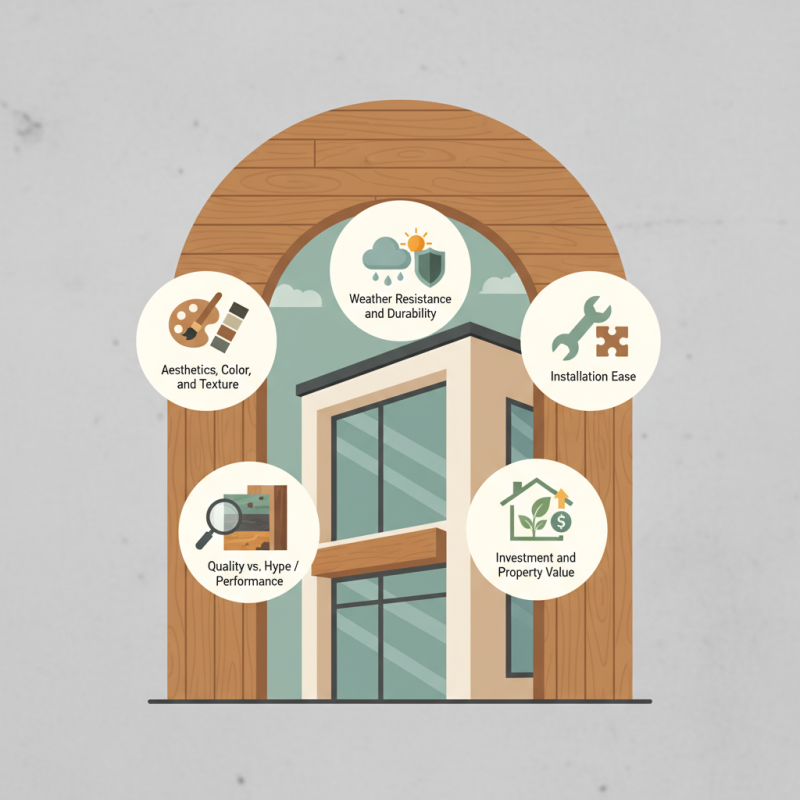
When considering WPC Wall Cladding, one must assess several factors. Aesthetics, weather resistance, and installation ease are crucial. Color and texture options can greatly influence your choice. Opting for products that reflect your design vision while being practical is key. The market has various brands, each claiming superiority. Therefore, discerning quality from marketing hype is imperative.
Furthermore, it's important to reflect on long-term performance. Some cladding products may look appealing initially but can wear down quickly. The right WPC Wall Cladding should not only enhance your exterior but also stand the test of time. Consideration of these aspects will lead to a better investment in your property.
Understanding WPC Wall Cladding: Key Features and Benefits
WPC wall cladding, or wood-plastic composite, offers unique features that enhance both aesthetics and durability. These materials combine wood fibers and plastic, creating a product that is resistant to rot and insects. The result is a versatile cladding option ideal for various climates. It’s an eco-friendly choice, as many brands utilize recycled materials, promoting sustainability.
One of the key benefits is low maintenance. Unlike traditional wood, WPC does not require frequent staining or sealing. A simple wash with water can keep it looking fresh. The material also comes in a variety of styles and colors, allowing homeowners to achieve their desired look without compromising on durability. However, not all WPC products are created equal; some may fade over time or suffer from surface scratches. This consideration is crucial when making a selection.
WPC cladding provides excellent insulation, helping to reduce energy costs. However, potential issues like warping or thermal expansion need attention. Researching installation methods or consulting with professionals can avoid these problems. By understanding these features and being aware of the potential downsides, homeowners can make informed choices about WPC wall cladding for their projects.
Top 5 Tips for Choosing WPC Wall Cladding Effectively
| Tip | Description | Key Benefits |
| 1. Consider the Material Composition | Choose WPC with a balanced ratio of wood fibers and plastic to ensure durability and aesthetic appeal. | Enhanced durability, lower maintenance, and better resistance to weather elements. |
| 2. Check for Certifications | Look for environmentally friendly and performance certifications to ensure product quality. | Assurance of quality and sustainability, increasing the longevity of the cladding. |
| 3. Analyze Design and Color Options | Evaluate a variety of designs and colors to ensure the WPC cladding complements your architectural style. | Better aesthetic appeal, boosting property value and visual appeal. |
| 4. Assess Installation Requirements | Understand the installation process and requirements to avoid unexpected costs and complications. | Cost-effective installation and reduced time on project delivery. |
| 5. Evaluate Long-term Performance | Research and compare the lifespan and warranty of different WPC products before making a purchase. | Increased investment value and reduced frequency of replacement. |
Assessing Your Project Needs: Size, Style, and Functionality
When choosing WPC wall cladding, evaluating your project needs is crucial. Start by assessing the size of your space. For small areas, opt for lighter colors and smaller panel sizes. This approach creates an illusion of spaciousness. Conversely, large spaces can handle larger panels. They offer a dramatic and cohesive look. Data from the 2022 Market Report indicates that around 45% of homeowners prioritize size in their projects.
Next, reflect on the style and aesthetic. WPC wall cladding comes in various finishes, from wood-like textures to sleek, modern designs. Each brings a different feel to your space. For instance, natural wood finishes give warmth, while minimalist patterns deliver a contemporary vibe. A survey by the Home Improvement Research Institute highlights that 65% of projects focus on visual appeal as a fundamental requirement.
Finally, consider functionality. WPC materials are water-resistant and durable, making them suitable for both indoor and outdoor applications. Remember that environmental factors play a role too. If your project is outdoors, ensure it withstands local weather conditions. The longevity of your investment will hinge on these considerations. A well-rounded approach to these elements ultimately leads to a successful installation.
WPC Wall Cladding Material Selection Factors
Evaluating Quality: Materials, Durability, and Performance Standards
When it comes to selecting WPC wall cladding, evaluating quality is crucial. Materials play a significant role in durability. High-quality WPC typically contains a blend of wood fibers and plastic. It is essential to ensure that the ratio is balanced, as this directly impacts resilience. According to industry reports, products with at least 60% wood fiber not only offer better aesthetics but also enhance structural integrity.
Durability is another key consideration. The cladding must withstand harsh weather conditions. A study by the Building Research Establishment notes that WPC can resist moisture and UV radiation effectively. They reported a lifespan of 25 years for well-selected WPC products. However, some cheaper options may show wear in just a few years, which is a critical thing to monitor in your selections.
Performance standards should not be overlooked. Consider cladding that meets ASTM standards for impact resistance and fire performance. These standards ensure that the chosen material can handle daily use and environmental challenges. Research indicates that cladding with high ratings in these areas can significantly reduce maintenance costs. Therefore, assessing these factors can lead to better long-term investments.
Aesthetic Considerations: Color, Texture, and Design Options
Choosing WPC wall cladding involves careful consideration of aesthetics. Color plays a significant role in visual appeal. Studies show that color influences mood and perception. Popular hues include earthy tones, which create a seamless connection with nature. Shades like cedar or teak are often preferred for creating a warm ambiance.
Texture is another critical factor. WPC materials can mimic natural wood grains or even offer a sleek, modern look. According to recent industry reports, textured surfaces can enhance sensory experience and visual interest. Rough textures may evoke rustic charm, while smooth finishes can convey sophistication. Selecting the right texture contributes to the overall design theme.
Design options should cater to the intended space. Open-concept areas may benefit from lighter colors, while intimate rooms could embrace darker tones. An unfortunate drawback is that some choices may not age well. Regular maintenance can mitigate this issue, but it remains a consideration. Balancing aesthetic desires with practical implications is essential for effective selection.
Budgeting Wisely: Cost Factors and Long-Term Value of WPC Cladding
When considering WPC (Wood Plastic Composite) wall cladding, budgeting wisely becomes crucial. Various factors can impact overall costs. According to industry reports, standard prices for WPC cladding range from $2 to $8 per square foot. However, additional costs may arise from installation and maintenance. Ignoring these factors can lead to budget overruns.
Durability is a key advantage of WPC cladding. Research shows that WPC products generally last 25 to 30 years with proper maintenance. This longevity can make them a cost-effective choice. However, some low-quality options offer shorter lifespans. Investing in higher-grade products might seem expensive upfront but could save money in the long run.
Maintenance costs are another important aspect. WPC requires considerably less upkeep compared to traditional materials like wood. Studies indicate that WPC can reduce maintenance costs by up to 50%. Still, potential buyers should weigh durability against initial costs. Assessing your long-term plans is vital for making an informed choice.