Top Tips for Choosing Wpc Clad Boards for Your Project?
When embarking on a new project, the choice of materials can significantly impact the outcome. Wpc Clad Boards have become a popular option due to their durability and aesthetic appeal. Selecting the right boards for your needs requires careful consideration. Their resistance to moisture and fading makes them suitable for various environments.
However, not all Wpc Clad Boards are created equal. It is crucial to evaluate the quality, appearance, and maintenance requirements. Some boards may look appealing but lack longevity. Consider the type of finish and texture that will enhance your project. Ensure that the boards meet your desired standards for both performance and style.
Ultimately, investing time in research is beneficial. Consulting with experts can provide valuable insights. Understanding the nuances of Wpc Clad Boards will help you avoid common pitfalls. By making informed choices, you can create a successful and lasting project that meets your vision. Aim for a selection that balances function, design, and sustainability.
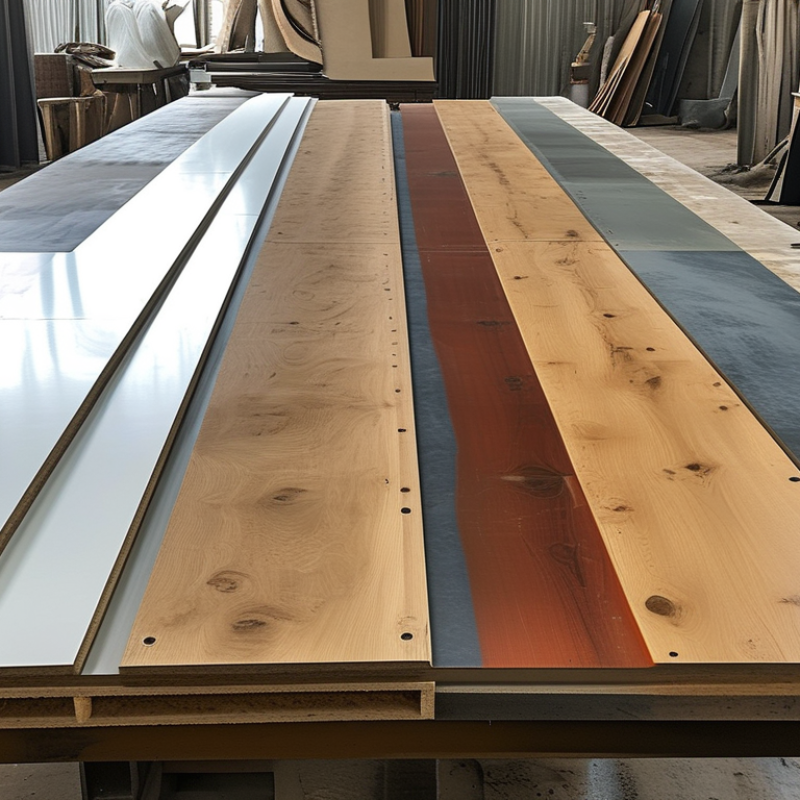
Understanding WPC Clad Boards: Materials and Benefits
WPC clad boards, made from wood-plastic composites, are gaining popularity. These materials combine wood fibers with plastic, offering durability and aesthetic appeal. They resist rot, making them ideal for outdoor projects. Their ability to mimic natural wood is a significant benefit.
Many people overlook the environmental impact of WPC. While they are often marketed as sustainable, sourcing the right product is crucial. Some boards may contain harmful additives. It's essential to choose high-quality options that ensure safety and longevity. Research is necessary for informed decisions.
The installation can be tricky. The boards require precise cuts and careful handling. Poor installation may lead to issues down the line, such as warping or fading. Consider consulting professionals if you're unsure. Their expertise can save time and money while ensuring your project looks great.
Assessing Your Project Requirements for WPC Clad Boards
When assessing your project requirements for WPC clad boards, start by evaluating the intended use. Will the boards be for decking, siding, or fencing? Understanding the specific application guides material selection. For load-bearing projects, thicker boards may be necessary. If aesthetics matter, the color and texture choices impact the overall visual appeal.
Consider the local climate as well. WPC boards perform differently in varying weather conditions. Hot, humid climates may require boards that resist warping. In contrast, colder regions might demand materials resistant to cracking. Take your time to explore these factors. Impatience can lead to costly mistakes in the long run.
Lastly, evaluate maintenance needs. WPC clad boards generally require less upkeep than traditional wood. However, specific products might still need occasional cleaning. It's vital to clarify these details before making a purchase. Engaging with experts can provide insights, yet remember that not all advice fits every project. Keep questioning and exploring your options.
Top Tips for Choosing WPC Clad Boards for Your Project
| Criteria | Importance Level | Notes |
| Durability | High | WPC boards should withstand weather changes and heavy use. |
| Aesthetic Appeal | Medium | Consider color and texture that fits your design vision. |
| Maintenance Requirements | High | Opt for low-maintenance options to save time and effort. |
| Cost | High | Balance budget and quality for optimal results. |
| Environmental Impact | Medium | Look for sustainably sourced materials. |
| Installation Complexity | Medium | Simpler installation can reduce overall project costs. |
Key Features to Evaluate When Choosing WPC Clad Boards
When selecting WPC clad boards, consider key features that impact performance and longevity. One important factor is the board's composition. High-quality WPC boards typically contain 60-70% wood fiber, which enhances durability and reduces the risk of warping. According to a recent industry report by MarketsandMarkets, the WPC market is projected to reach $10.5 billion by 2025, highlighting the growing demand for these materials in construction.
Moisture resistance is another crucial feature. Boards with enhanced water repellency can prevent decay, mold growth, and swelling. A study by the Forest Products Laboratory indicates that WPC products can reduce water absorption by up to 60% compared to traditional wood. This benefit is particularly vital in areas with high humidity or heavy rainfall.
Additionally, consider the aesthetic aspects. Many homeowners seek WPC boards with various textures and colors. Aesthetic appeal can significantly influence consumer preferences. However, it's essential to balance style with functionality. While a striking look can elevate a project, functionality should take precedence to ensure long-term satisfaction. Ultimately, understanding these features will help you choose the right WPC clad boards for your needs.
Comparing Different Brands and Products of WPC Clad Boards
When comparing different brands and products of WPC clad boards, it’s essential to assess key features. Look at durability, aesthetics, and maintenance requirements. High-quality boards should withstand harsh weather and resist fading. They should also offer a range of colors and textures to suit various design preferences.
Another critical factor is the installation process. Some products might require specific tools or professional assistance, increasing the overall cost. Take note of the warranty information provided. A solid warranty often reflects the manufacturer’s confidence in their product.
Consider the environmental impact too. Many WPC boards are made from recycled materials, which is a plus for sustainability. However, not all brands prioritize eco-friendly practices. Researching customer reviews can further guide your choices. Pay attention to consistent feedback regarding product performance and longevity. Sometimes, a highly marketed product may not deliver as expected. Balancing personal preferences with factual insights can lead to a more informed decision.
Installation and Maintenance Tips for WPC Clad Boards
When installing WPC clad boards, consider the weather conditions. Extreme temperatures can affect expansion and contraction. It's best to schedule your installation during mild weather. This ensures the boards can settle properly and reduces future warping.
Proper maintenance is crucial for longevity. Regular cleaning with mild soap and water keeps the surface looking fresh. Avoid harsh chemicals that may damage the boards. Additionally, check for any signs of mold or mildew, especially in damp areas. Early detection can save you from costly repairs down the line.
Always follow the manufacturer's installation guidelines. This helps prevent future issues, such as gaps or misalignment. However, even with expert advice, mistakes can happen. If you notice any problems, address them immediately to maintain the integrity of your project. The goal is to enjoy your WPC boards for years to come.