10 Tips for Choosing China Multi Function Nursing Vehicle Customized
In recent years, the demand for healthcare vehicles has surged. The China Multi Function Nursing Vehicle Customized is an essential solution for modern healthcare settings. According to a report from the China National Health Commission, the aging population is expected to reach 400 million by 2040. This statistic underlines the urgency for effective nursing vehicles that cater to diverse medical needs.
The versatility of multi-function nursing vehicles allows them to support various healthcare services. They can be equipped with medical devices, patient monitoring systems, and essential amenities. A survey conducted by the China Medical Equipment Association showed that nearly 75% of healthcare facilities lack adequate transport solutions. This gap emphasizes the importance of well-designed, customized nursing vehicles.
Choosing the right model is crucial. Buyers must consider factors like functionality, safety, and adaptability to different environments. The right choice can significantly impact patient outcomes and operational efficiency. Investing in a China Multi Function Nursing Vehicle Customized should reflect the evolving demands of healthcare and the need for innovation in patient care transport.
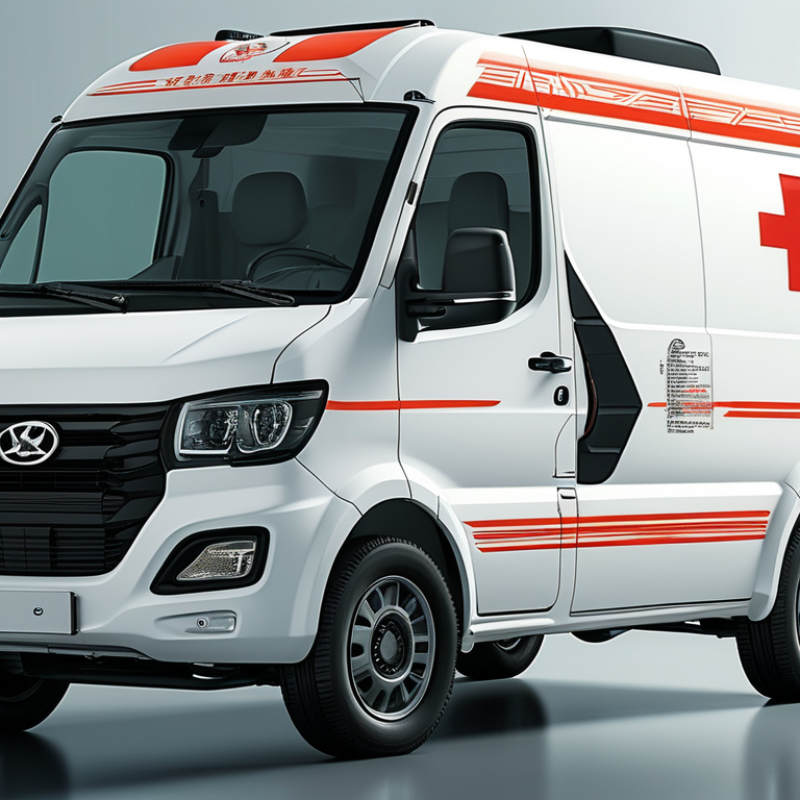
Understanding the Purpose of Multi-Function Nursing Vehicles in China
Multi-function nursing vehicles play a critical role in enhancing healthcare services in China. These vehicles are designed to support various medical needs. They can be equipped with mobility aids, medical equipment, and even telemedicine capabilities. The flexibility of these vehicles makes them vital for hospitals and care facilities in remote areas.
When choosing a multi-function nursing vehicle, it's essential to consider the specific healthcare requirements. For example, different regions might need vehicles with varying levels of medical support. Factors like climate and terrain can affect the design and durability of these vehicles. Some might not meet all expected standards or features, which can be frustrating for users.
Understanding the purpose of these vehicles helps in making an informed choice. They are more than just transport; they are lifelines for many patients. A well-designed nursing vehicle can improve the overall quality of care. It can also highlight the gaps in existing services. Evaluating these aspects can lead to better decisions. Often, reflection on past experiences reveals the need for continuous improvement in healthcare vehicle choices.
10 Tips for Choosing China Multi Function Nursing Vehicle
| Feature | Importance | Considerations |
| Safety Features | Ensures maximum protection for patients and caregivers. | Look for features like seat belts, anti-tip design, and emergency brakes. |
| Comfort | Improves the experience for both patients and caregivers. | Check for adjustable seats and ergonomic design. |
| Durability | Sustains long-term use in various environments. | Materials used should be high quality and withstand wear and tear. |
| Customization Options | Meets specific needs of healthcare facilities. | Evaluate the range of customizable features available. |
| Mobility | Enhances the ease of moving patients between areas. | Look for lightweight designs and smooth maneuverability. |
| Storage Solutions | Facilitates easy access to medical supplies and equipment. | Consider the number and size of storage compartments available. |
| Ease of Cleaning | Important for maintaining hygiene standards. | Materials should be easy to wipe down and sanitize. |
| User-Friendly Controls | Simplifies operation for caregivers. | Controls should be intuitive and labeled clearly. |
| Cost Effectiveness | Balances quality and budget considerations. | Analyze the total cost of ownership versus initial investment. |
| Warranty and Support | Provides peace of mind and assistance if needed. | Check the warranty terms and availability of customer support. |
Key Features to Consider When Selecting a Customized Nursing Vehicle
When selecting a customized multi-function nursing vehicle, several key features are essential. One significant aspect is the vehicle’s maneuverability. It should be easy to navigate in tight spaces, especially in crowded healthcare settings. Consider the turning radius and wheel design, which can greatly impact ease of use.
Another vital feature is the vehicle’s storage capacity. A well-designed nursing vehicle should have accessible storage for medical equipment and supplies. This ensures that caregivers have what they need right at hand. Look for secure compartments that keep items safe and organized.
Comfort for both the patient and caregiver is crucial. Adequate seating, adjustable features, and ergonomic design can enhance the user experience. However, high-tech instruments may complicate operations. Not every caregiver may be tech-savvy. Intuitive interfaces and easy-to-use controls are preferable. Balancing modern features with simplicity is key to an effective solution.
Evaluating Supplier Credentials for Quality and Reliability
When selecting a multi-function nursing vehicle, evaluating supplier credentials is crucial. The right supplier can enhance quality and reliability. Check their experience in the industry. A supplier with years of experience understands your needs better. Their track record speaks volumes about their dependability.
Consider certifications. A solid supplier usually holds relevant certifications. This guarantees adherence to industry standards and practices. Verify these credentials through official channels. Engage in discussions with previous clients to gain insights. This feedback can reveal vendors' strengths and weaknesses.
Don't overlook product testing and safety records. A trustworthy supplier should provide transparent information. Ask about the quality control processes they follow. Do they have a dedicated team for safety assessments? Such details indicate their commitment to product excellence. Choose wisely, and remember that quality impacts patient care.
Assessing Cost-Effectiveness of Customized Nursing Vehicle Solutions
When assessing the cost-effectiveness of customized nursing vehicles, several factors come into play. Customized solutions can significantly reduce operational costs. According to a report by the Global Healthcare Research Institute, personalized nursing vehicles may lower patient transport expenses by up to 30%. This is crucial in a sector where budgets are tight.
Durability and functionality are also critical aspects. A survey from the National Association of Healthcare Transportation indicates that 70% of users prefer vehicles tailored to meet specific needs. However, the initial investment can be steep. Organizations often hesitate due to perceived high costs. It's essential to evaluate long-term benefits against upfront spending. A well-designed vehicle can enhance patient satisfaction while ensuring safety, resulting in fewer incidents and lower liability costs.
Additionally, customization offers flexibility. Facilities can adapt vehicles for various tasks, from emergency response to routine care. Yet, developers often overlook user feedback. Designing without insights leads to inefficiencies. Regular reviews of vehicle performance and user needs can help refine specifications. This iterative process ensures that investments remain relevant and yield ongoing value.
Importance of Compliance with Safety and Health Regulations in China
When selecting a multi-function nursing vehicle in China, adhering to safety and health regulations is crucial. According to the World Health Organization, compliance can enhance patient care outcomes significantly. Facilities must prioritize safety to avoid legal issues and ensure a trustworthy environment.
Choosing a supplier who prioritizes quality and regulatory compliance is essential. Consider their adherence to local and international standards. Reviewing safety certifications can provide insights into their commitment to these regulations. Furthermore, pay attention to user feedback and industry reports highlighting vehicle performance and safety records.
In your decision-making process, ensure the vehicle design supports easy sanitation. Features like smooth surfaces and antimicrobial materials can facilitate cleaning. These elements minimize infection risk. Research shows that proper sanitation practices in healthcare settings can decrease infection rates by up to 30%. It is vital to weigh these factors against cost and other operational needs when selecting a nursing vehicle.
Importance of Compliance with Safety and Health Regulations in China