How to Source Polydimethyl Silicone Oil for Global Suppliers?
Polydimethyl Silicone Oil is an essential compound used across various industries, including automotive, cosmetics, and electronics. According to a recent report by MarketsandMarkets, the global silicone oil market is projected to reach $3.5 billion by 2025, driven by increased demand for high-performance materials. Experts like Dr. Helena Marks emphasize the importance of sourcing quality Polydimethyl Silicone Oil: “Quality is non-negotiable in silicone oils, as it impacts product performance significantly.”
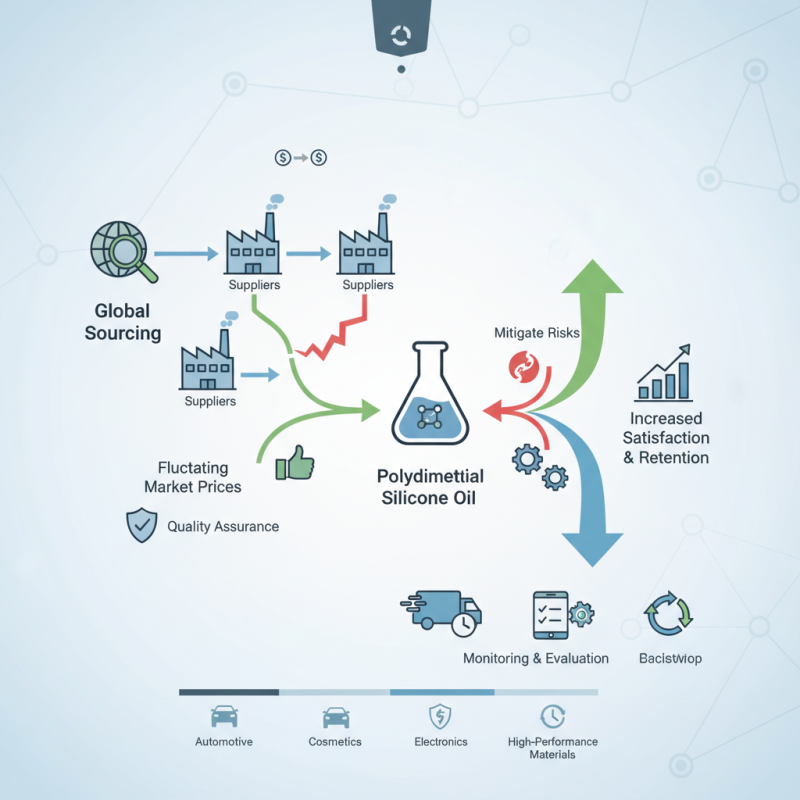
Finding reliable global suppliers for Polydimethyl Silicone Oil is paramount. Reduced costs can sometimes compromise quality, leading to subpar results. A study from Transparency Market Research suggests that quality assurance in sourcing processes increases customer satisfaction and retention rates by nearly 40%. However, reaching out to new suppliers presents risks. Discrepancies in product quality and delivery timelines can disrupt operations.
It's crucial to adopt robust sourcing strategies. Developing relationships with trustworthy suppliers helps mitigate risks. Industry challenges often arise from fluctuating market prices and varying standards. To succeed in securing high-quality products, ongoing monitoring and evaluations are necessary. These practices ensure that the sourcing process remains effective and aligned with business goals.
Understanding Polydimethyl Silicone Oil and Its Applications
Polydimethyl silicone oil is a versatile compound used across various industries. This synthetic polymer stands out for its unique properties, such as low surface tension and excellent thermal stability. These characteristics make it suitable for applications in personal care, textiles, and electronics. In cosmetics, for instance, it provides a silky feel and helps improve product spreadability.
Understanding its applications is crucial for anyone considering sourcing this material. Manufacturers often utilize polydimethyl silicone oil as a lubricant, anti-foaming agent, or waterproofing agent. In the textile industry, it enhances the softness of fabrics, contributing to a more comfortable end product. In electronics, it acts as an insulating material, thus protecting components from moisture.
While sourcing this oil, awareness of quality standards is essential. Fluctuating supply chains and variable production methods can lead to inconsistencies. Sourcing from reliable suppliers who understand your specific needs can be challenging. It's vital to assess the suppliers’ expertise and track record before making a commitment. Taking time to research will yield better results.
Identifying Reliable Global Suppliers for Polydimethyl Silicone Oil
Finding reliable global suppliers for polydimethyl silicone oil can be challenging. Start by researching manufacturers who have a solid presence in the industry. Look for companies that have been operational for several years. Longevity often indicates reliability. Explore their websites for product specifications and certifications. Check if they comply with international standards.
Engage with potential suppliers directly. Ask for samples before making large orders. Evaluate their customer service. Responsive suppliers demonstrate professionalism. Don't hesitate to ask for references from previous customers. These references can provide valuable insights into the supplier’s reliability.
Be aware that not all suppliers have perfect reputations. Some may have quality control issues. Investigate reviews and feedback from other buyers. This step can highlight potential risks. It’s essential to remain cautious and informed. The goal is to partner with a supplier who values quality and transparency.
Evaluating Quality and Specifications of Silicone Oil Products
When sourcing polydimethyl silicone oil, evaluating quality and specifications is crucial. Start by examining the product's viscosity. This property affects flow and application. Ensure that the viscosity meets your operational needs. If unsure, consult industry experts.
In addition, check the chemical purity. Impurities can impact performance and safety. Remember that not all suppliers provide detailed specifications. Thus, request certificates of analysis. These documents reveal the composition and quality levels. This step is vital for maintaining product integrity in your processes.
Tips: Always compare multiple suppliers. Look for those with positive industry feedback. Establish a clear communication channel for inquiries. Understanding your needs helps suppliers provide better options. Be mindful of sample testing. Sometimes, a product appears perfect but isn’t suitable for your specific use case. Thus, thorough testing can save you time and money in the long run.
Best Practices for Negotiating with Suppliers
Negotiating with suppliers requires a thoughtful approach. Start by conducting thorough research on polydimethyl silicone oil suppliers. Understand their market reputation and production capabilities. This builds a foundation of trust. Direct communication can reveal their willingness to negotiate. Be prepared to ask questions that clarify details about pricing and delivery timelines.
When discussing terms, be assertive yet respectful. It’s vital to establish clear expectations. Discuss quantity discounts or flexible payment terms. This can enhance the business relationship. However, remember to avoid aggressive tactics. They can backfire and create tension.
Monitoring the negotiation process helps in identifying areas for improvement. Reflect on past experiences to inform future discussions. This will elevate your negotiation skills over time. Sometimes, it might be necessary to walk away from unfavorable terms. Remaining true to your standards fosters respect in these business relationships. Ultimately, a collaborative approach often yields the best results.
How to Source Polydimethyl Silicone Oil for Global Suppliers? - Best Practices for Negotiating with Suppliers
| Supplier Location | Product Quality Rating | Minimum Order Quantity (MOQ) | Lead Time | Price per Liter ($) |
| USA | High | 100 Liters | 2 weeks | 15.00 |
| Germany | Medium | 200 Liters | 3 weeks | 12.50 |
| China | High | 500 Liters | 4 weeks | 10.00 |
| Japan | Medium | 300 Liters | 3 weeks | 11.00 |
| South Korea | Low | 600 Liters | 5 weeks | 9.50 |
Logistics and Import Considerations for Sourcing Silicone Oil
When sourcing polydimethyl silicone oil, logistics and import considerations are crucial. Evaluating logistics is about understanding the supply chain. Identify where the suppliers are located. Shipping times can vary significantly. Choose suppliers with established shipping protocols. Verify their ability to handle international shipments effectively.
Customs regulations pose another challenge. Each country has specific rules for importing chemicals. It’s essential to understand what documentation is needed. This can include Safety Data Sheets and import permits. Delays can occur if paperwork is incomplete. Collaborate with a trusted customs broker to navigate these requirements.
Consider storage and handling upon arrival. Some silicone oils require specific storage conditions. Ensure that facilities comply with safety regulations. Establish protocols for safe handling to prevent accidents. Logistics is as much about preparation as it is about execution. If planning is overlooked, costs can spiral due to unexpected issues.