What is a Sliding Roller and How Does it Work?
In the world of machinery, the sliding roller plays a vital role. These components ensure smooth motion and reduce friction. According to a recent industry report by the Engineering Technology Association, sliding rollers can improve efficiency by up to 30%. This statistic highlights their importance across various applications.
sliding rollers are commonly seen in conveyor systems, robotics, and even furniture design. Their mechanism involves a rolling element that distributes weight evenly. This design minimizes wear and extends the lifespan of machinery. However, not all sliding rollers perform equally. Material choice and design can significantly impact their effectiveness.
Some users may overlook the need for regular maintenance. Dust and debris can hinder performance. Industry data suggests that improper care can lead to a 15% decrease in efficiency over time. Therefore, understanding sliding rollers and their function is essential for optimizing mechanical systems.
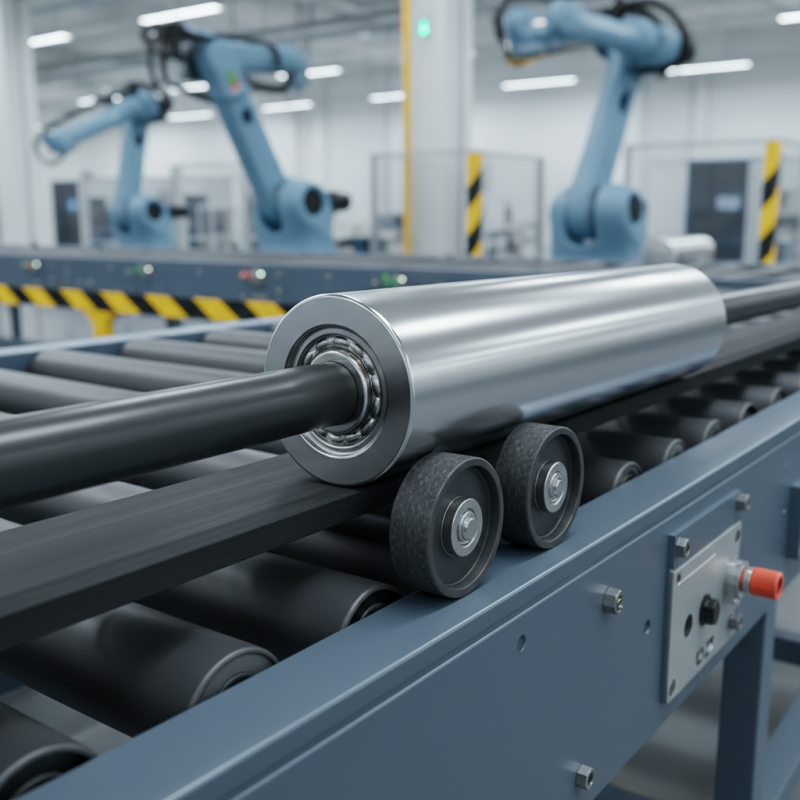
Definition and Basic Functionality of a Sliding Roller
A sliding roller is a mechanical device used to facilitate movement along a surface. It typically consists of a cylindrical shape that rolls when force is applied. This design allows for smooth and efficient motion, making it useful in various applications. Sliding rollers are often seen in industrial and everyday settings, from conveyor systems to sliding doors.
The primary functionality of a sliding roller lies in its ability to reduce friction. As it rolls, it minimizes resistance between surfaces. This leads to less wear and tear, translating to longer operational life. However, not all sliding rollers perform equally. Some designs may not distribute weight effectively, leading to uneven wear. This can create challenges in maintaining performance over time.
Moreover, materials used in constructing sliding rollers play a crucial role. Harder materials may feel more durable but can also damage surfaces they come into contact with. Soft materials, while gentler, may wear out faster. These aspects require careful consideration to ensure the most effective application. Understanding these factors can help in selecting the right sliding roller for a specific task.
Components and Design Features of a Sliding Roller
Sliding rollers are crucial components in various industrial applications. Their design features determine their efficiency and functionality. Key components include the roller itself, housing, and supporting structures. The roller's material often affects its durability. Many industries favor stainless steel for its strength and corrosion resistance. In this way, they ensure long-lasting use in challenging environments.
A sliding roller's design often incorporates sealed bearings. This prevents the ingress of contaminants, extending the roller's lifespan. According to a recent industry report, equipment failures often arise from dirt and lubrication issues. Therefore, investing in high-quality seals can significantly reduce maintenance costs. Simple design flaws can lead to inefficiencies. Sometimes, rollers can misalign, causing uneven wear. This is a common issue that warrants regular inspections.
The engineering of sliding rollers requires attention to detail. Tolerances must be precise to ensure smooth operation. Improperly designed rollers can lead to increased friction and heat. A study highlighted that improper roller design can reduce performance by up to 30%. Focusing on these components helps engineers create better solutions. Continuous optimization is essential in a competitive market.
Mechanism of Movement in Sliding Rollers
Sliding rollers are integral to various mechanical systems. They leverage a simple yet effective movement mechanism. The key lies in their ability to distribute load evenly. This reduces friction, allowing parts to glide smoothly over one another. According to a recent industry report, sliding rollers can enhance efficiency by up to 30% in machinery.
The mechanism of movement in sliding rollers revolves around a series of cylindrical elements. These elements rotate along a channel, enabling seamless motion. When weight is applied, the load converts into a rolling motion. This minimizes wear and tear on components. However, improper alignment can negate these benefits. Studies show that misaligned rollers can decrease performance by 15%.
Maintenance is critical for optimal operation. Regular inspections help identify issues before they escalate. Dirt and debris can obstruct movement. It's essential to keep these surfaces clean. Some professionals argue that the cost of ignoring upkeep is often underestimated. Effective management can prolong the lifespan of sliding rollers significantly. Understanding these dynamics is crucial for anyone working with mechanical systems.
Applications and Use Cases for Sliding Rollers
Sliding rollers are essential in various industrial applications. Their primary role is to facilitate movement and reduce friction. In warehouses, sliding rollers help transport heavy goods. The reduced resistance allows for easier handling, improving efficiency significantly. A report by the International Journal of Logistics found that using sliding rollers can enhance load movement by up to 30%.
In manufacturing, sliding rollers enable smoother operations in conveyor systems. They help in moving products through various stages quickly. Data shows that systems with sliding rollers can run 25% faster than those without. This speed increase can lead to higher production rates and better profit margins. However, some industries may overlook proper maintenance. This can lead to premature wear and tear, affecting long-term performance.
Another noteworthy application is in the automotive industry. Sliding rollers assist in assembly lines, ensuring that parts are aligned properly. They support hefty components without compromising integrity. Yet, some companies struggle with the balance between cost and performance. Investing in high-quality sliding rollers is vital, but the upfront costs can be daunting. Proper analysis and planning are necessary to determine the most efficient solution.
Maintenance and Care for Optimal Performance of Sliding Rollers
Proper maintenance of sliding rollers is crucial for their longevity and performance. Start by regularly inspecting the rollers for any signs of wear or damage. Dust and debris can accumulate, which may hinder their movement. It's essential to clean them frequently. A damp cloth will do the trick, but ensure they dry completely afterward.
Lubrication is another key aspect. Using the right lubricant can greatly enhance functionality. Apply a small amount to the surface where the rollers make contact. However, don't overdo it; excess lubricant can attract dirt. Take some time to adjust the system’s alignment, as misalignment can lead to uneven wear.
Lastly, don’t ignore the environment where the rollers operate. Extreme temperatures or moisture may affect their performance. Assess these conditions periodically, as they can lead to unexpected failures. Keeping a maintenance log can help track any issues. Remember, even small adjustments can make a significant impact on performance.