What is a Single Flat Sheet and How is it Used?
In the world of textiles, the concept of a "single flat sheet" holds significant importance. Known for its versatility, a single flat sheet is a basic yet essential component in bedding and other textile applications. Expert in the field, Dr. Emily Carter, once stated, "The single flat sheet is more than just fabric; it’s a canvas for creativity."
A single flat sheet can be used in various ways, both practical and decorative. Many people use it as a top layer in bedding. Others might find unexpected uses, such as making curtains or as a picnic blanket. Yet, its simplicity brings challenges. The lack of structure can lead to issues with design and functionality.
Moreover, many overlook the importance of fabric quality. The choice between cotton, linen, or synthetic materials can affect both comfort and longevity. Consumers often rush to decisions without considering durability. This oversight can influence satisfaction and lead to waste. Emphasizing the value of the single flat sheet can enhance its role in daily life.
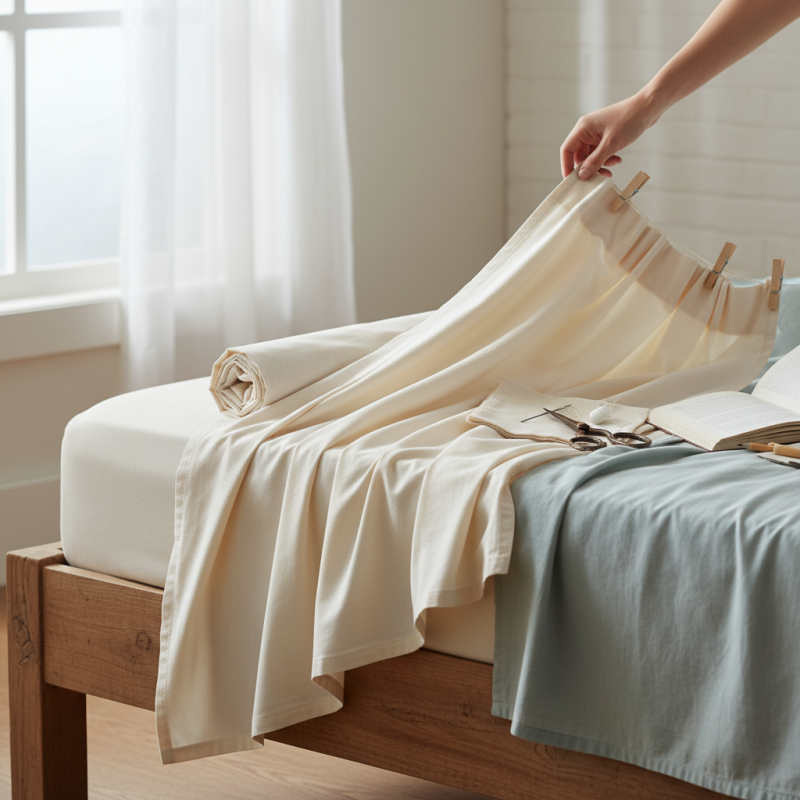
What is a Single Flat Sheet? Definition and Characteristics
A single flat sheet is a versatile piece of fabric primarily used in bedding. It is designed to fit over a mattress without elastic corners. Usually made from cotton or polyester, it provides comfort and breathability. The flat sheet serves multiple purposes, including an additional layer for warmth or as a barrier between the sleeper and the blanket.
The characteristics of a single flat sheet are abundant. Its simple design allows for easy washing and quick drying. Flat sheets come in various sizes, typically matching standard mattress dimensions. Some may find it cumbersome to tuck in properly, leading to wrinkled appearances. Others appreciate the freedom to arrange it as they prefer. The way a flat sheet drapes can affect the overall aesthetic of a bedroom too, creating a light, airy feel or a more structured look.
Using a single flat sheet also presents considerations. Some users might neglect it in favor of simpler options. This could lead to an uncomfortable night's sleep. The sheet can easily slip off during the night, prompting nighttime adjustments. However, when used effectively, it enhances bedding style and comfort significantly. Experimenting with colors and textures adds a personal touch, making it a more integral part of home decor.
Types of Materials Commonly Used for Single Flat Sheets
Single flat sheets are versatile materials used in various applications, from bedding to crafting. When it comes to the types of materials commonly used for these sheets, they vary widely. Cotton, for instance, is one of the most prevalent choices. Reports from industry analysts indicate that cotton sheets dominate over 60% of the bedding market due to their comfort and breathability. However, quality can vary significantly. It's important to note that not all cotton is the same.
Another common fabric is polyester. This synthetic material has gained popularity in recent years. Polyesters are durable and often wrinkle-resistant. However, their breathability is not as high as that of cotton. This can lead to discomfort in warmer climates. A market study suggested that polyester sheets have captured about 25% of the flat sheet market. While they are affordable, they may not offer the same luxury feel.
Bamboo and Tencel are also emerging materials for flat sheets. These natural fibers are known for their sustainability and softness. Bamboo sheets have seen a growth of around 15% in recent sales figures, appealing to eco-conscious consumers. On the downside, bamboo and Tencel sheets can sometimes be pricier, which might deter some buyers. Choosing the right material for single flat sheets requires careful consideration of both comfort and budget.
Applications of Single Flat Sheets in Bedding and Home Decor
Single flat sheets serve various purposes in the world of bedding and home decor. Frequently, they are used as a versatile layering piece on beds. Their simplicity allows them to match different styles easily. Imagine a soft, crisp flat sheet atop a cozy comforter, creating an inviting bed. This layering adds both comfort and visual interest to a bedroom.
Moreover, single flat sheets are not limited to the bedroom. They can be creatively utilized in living spaces. These sheets can be transformed into vibrant throws, enhancing the aesthetic of sofas or chairs. A colorful flat sheet can add a pop of color to a neutral space. Alternatively, they can be used as lightweight tablecloths or fabric backdrops for creative projects. The possibilities are endless, yet they often remain underappreciated.
However, sometimes these sheets go unnoticed in closets. They sit unused, forgotten amid a clutter of other linens. Their potential for enhancing decor remains untapped. It's worth reflecting on how a simple flat sheet can transform a space. Consider revamping your surroundings by repurposing these sheets. Sometimes, a little creativity can breathe life into mundane items.
Market Trends: Demand and Supply of Single Flat Sheets in 2023
In 2023, the market for single flat sheets is evolving due to changing consumer preferences. The demand for eco-friendly materials is on the rise. Shoppers now seek sustainable options that contribute to comfort and durability. This shift influences how manufacturers approach production and design.
Supply chains are also adapting. Global disruptions have caused shortages in certain materials. Many brands are re-evaluating their sources to ensure consistency. Local suppliers are gaining popularity as businesses seek to mitigate risks. However, the balance between affordability and quality remains a challenge.
Tip: Look for certifications on fabric. These can indicate sustainable practices.
The ongoing demand for customization is impacting styles in bedding. Consumers want unique colors and patterns. This trend encourages brands to be creative in their offerings. Yet, some companies struggle to keep pace with changing tastes. They may miss opportunities without innovation.
Tip: Consider classic designs for timeless appeal. They often stand the test of trends.
Care and Maintenance Tips for Prolonging the Life of Flat Sheets
Flat sheets are essential for any bedding setup. Proper care and maintenance can extend their lifespan significantly. Washing them regularly is crucial. Use cold water and a gentle detergent to avoid wear. High heat can damage fibers over time. It might seem easier to toss them in hot water, but this could weaken the fabric.
Storing flat sheets correctly is equally important. Fold them neatly and avoid cramming them into tight spaces. This helps prevent creases and potential fading. If you notice stains, address them promptly. Simple soap and cold water can work wonders. Remember, letting stains sit only makes them harder to remove.
Lastly, be mindful of your washing machine settings. A harsh cycle may cause pilling or stretching. Choosing a gentle cycle can preserve the fabric's integrity. Reflecting on your laundry habits may highlight areas for improvement. Little changes can lead to longer-lasting flat sheets.