What is a Sewer Jetting Machine and How Does It Work?
Sewer Jetting Machines play a crucial role in maintaining efficient sewer systems. These powerful tools use high-pressure water jets to eliminate blockages and clean pipes. Designed for tough jobs, they are vital for both residential and commercial plumbing.
Professionals rely on Sewer Jetting Machines for quick and effective results. The process involves directing focused streams of water into pipelines. This technique not only clears debris but also prevents future clogs. Using such machinery requires expertise and skill. Operators must understand the specific needs of each situation.
While these machines are effective, they are not a one-size-fits-all solution. Sometimes, the wrong pressure settings can cause damage. Therefore, understanding the equipment is essential. Regular maintenance of Sewer Jetting Machines ensures reliability and peak performance. Proper usage promotes a cleaner, more functional sewer system. Each project presents unique challenges that require thoughtful approaches.
What is a Sewer Jetting Machine?
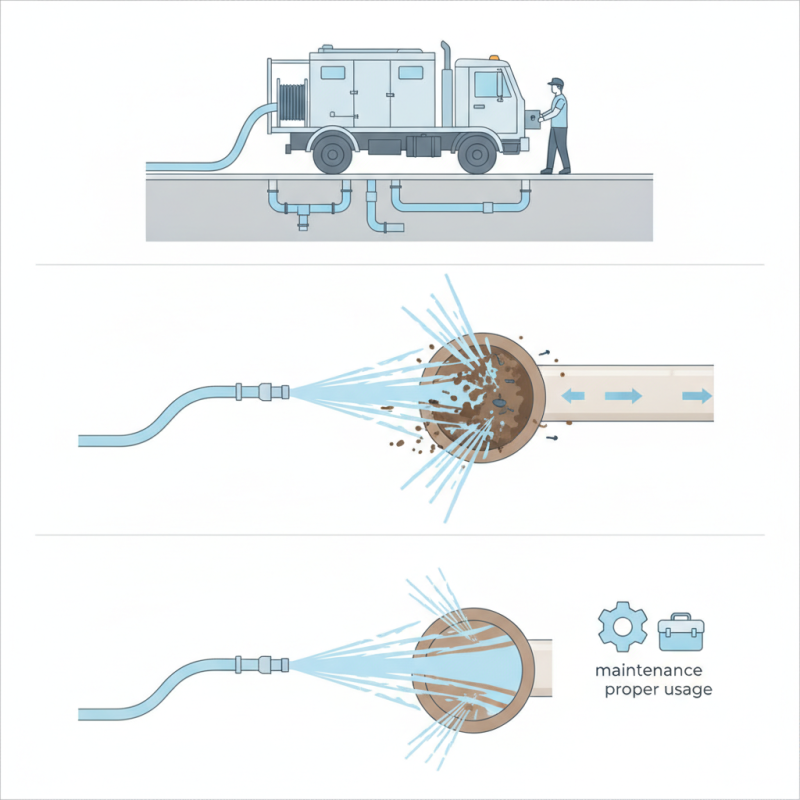
A sewer jetting machine is an essential tool used in plumbing and maintenance. It operates by using high-pressure water to clear clogged pipes. The machine is typically equipped with a specialized nozzle that directs water in a powerful stream. This can effectively dislodge debris, grease, and buildup within the sewer lines.
These machines are commonly used by professionals in the industry. They have the expertise necessary to handle significant clogs that ordinary methods can't manage. Observing how they work can be impressive. The force of the water can clear both blockages and stubborn materials. However, it is crucial to use this equipment correctly to avoid damaging pipes. Too much pressure might cause older pipelines to crack.
There are different models designed for various tasks. Some machines are portable, and others are truck-mounted for larger jobs. While they are efficient, their operation requires experience. Incorrect usage can lead to further complications. For those looking to maintain their plumbing systems, understanding the basics of sewer jetting machines can be beneficial.
Sewer Jetting Machine Usage by Month
Key Components of a Sewer Jetting Machine
A sewer jetting machine is vital for maintaining plumbing systems. Understanding its key components is essential for efficient operation. The most important part is the high-pressure hose. This flexible tube shoots water at high speeds to clear blockages. It can navigate bends in pipes, reaching areas that traditional tools cannot.
Next, the water pump generates the pressure needed for jetting. A strong pump ensures consistent performance and effective clog removal. Operators should regularly inspect the pump for wear and tear. This attention to detail prolongs its lifespan.
Nozzles are another critical component. They determine the water's flow direction and pressure. Different nozzles suit various types of clogs. Some are designed for heavy debris, while others work best for softer build-ups. Understanding these nozzles allows for tailored approaches to specific jobs. Operators must continually learn about innovations in nozzle technology.
The Working Principle of Sewer Jetting
A sewer jetting machine is an effective tool used to clear blockages in drainage systems. It employs high-pressure water jets to remove stubborn debris. The working principle revolves around shooting water through a specialized nozzle. This nozzle directs water at a targeted angle, breaking up clogs and flushing them away.
When the machine is operated, it sends water at pressures ranging from 1,500 to 4,000 PSI. The force generated is often enough to clear grease, tree roots, and other materials. An operator needs to be trained in its use. Improper handling could lead to backflow or damage to the plumbing system.
Tips: Regular maintenance of sewer jetting machines is crucial. Inspect hoses and nozzles for wear and tear. Always use protective gear when operating high-pressure equipment. Understanding different types of clogs can help in choosing the right approach. Trained professionals often share insights that can enhance the effectiveness of sewer cleaning.
Applications and Benefits of Sewer Jetting
Sewer jetting machines play a crucial role in maintaining effective drainage systems. These powerful tools use high-pressure water jets to clear blockages in sewer lines. The applications of sewer jetting are vast, catering to both residential and commercial needs. They efficiently clear away debris, grease, and tree roots, which are common culprits behind clogged pipes.
One significant benefit of sewer jetting is its ability to provide a thorough cleaning. Unlike traditional methods, jetting removes buildup from pipe walls. This not only restores flow but also extends the life of the sewer system. Property owners gain peace of mind knowing they can prevent future blockages. Additionally, sewer jetting is an environmentally friendly option. It eliminates the need for harsh chemicals, relying instead on water pressure.
Despite these advantages, sewer jetting is not without its challenges. Operators require training to ensure safe and effective use. Incorrect handling may lead to pipe damage or water backflow issues. Regular maintenance of the machinery is also essential to prevent breakdowns during operation. These factors highlight the importance of professional expertise in sewer jetting services.
What is a Sewer Jetting Machine and How Does It Work? - Applications and Benefits of Sewer Jetting
| Dimension | Description |
| Machine Type | High-pressure water jetting machine |
| Operating Pressure | Typically ranges from 1500 to 4000 PSI |
| Applications | Cleaning blocked sewer lines, degreasing pipes, removing tree roots |
| Benefits | Effective cleaning, environmentally friendly, reduces need for harsh chemicals |
| Types of Nozzles | Rotating nozzle, flat jet nozzle, and heavy-duty nozzle |
| Typical Length of Hose | 50 to 200 feet |
| Operator Training | Safety training and operational handling procedures |
| Cost of Service | Varies by region but can range from $100 to $500 per session |
Maintenance and Safety Considerations for Sewer Jetting Machines
Maintaining sewer jetting machines is crucial for their efficient operation. Regular inspections guarantee they perform as intended. Check hoses for wear and tear. Inspect nozzles for clogs and damage. Each part must function optimally to prevent system failures. Missing a small detail can result in costly issues later on.
Safety considerations are paramount. Operators should wear appropriate gear. Goggles and gloves protect against high-pressure water and debris mishaps. Training is vital. Proper techniques reduce risk during operation. Misuse could lead to accidents, injury, or equipment damage. Remember, a rush job often leads to mistakes.
Communication among team members enhances safety. A clear plan ensures everyone understands their role. Always have a protocol for emergencies. Unexpected situations can arise. Addressing them quickly minimizes risks. Reflecting on past jobs can improve future safety practices. Every lesson learned strengthens operational integrity.