OEM Salt Grinder Quality and Pricing for Global Buyers?
In today's competitive market, the demand for high-quality kitchen tools is soaring. The OEM Salt Grinder is a valuable addition to any culinary collection. Its design and functionality appeal to both casual cooks and professional chefs. Buyers are looking for products that combine quality with affordability.
The OEM Salt Grinder stands out due to its durability and ease of use. However, prices vary significantly across suppliers. Understanding these differences is crucial for global buyers. Quality should not be compromised for a lower price.
Many manufacturers tout premium materials. Yet, some may fall short in quality assurance. This inconsistency can lead to frustration for consumers. As buyers navigate the sea of options, attention to detail becomes essential. Evaluating product specifications and customer reviews helps in making informed choices. Opting for reliable suppliers can enhance the overall purchasing experience while ensuring satisfaction with the OEM Salt Grinder.
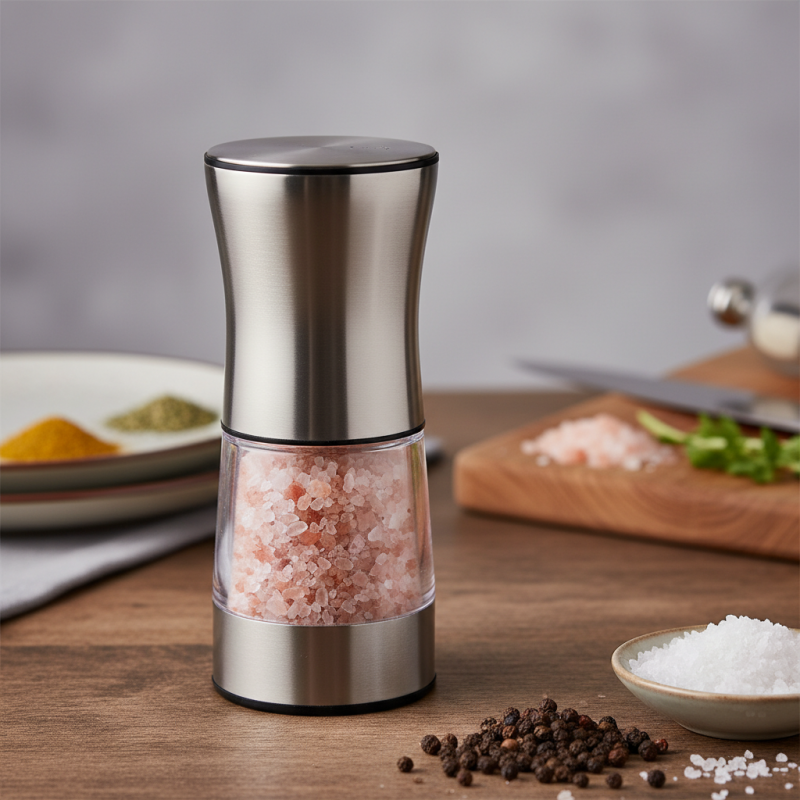
Understanding OEM Salt Grinder Standards and Specifications
When considering OEM salt grinders, it's essential to understand the industry standards and specifications that govern quality. Recent reports indicate that about 32% of manufacturers prioritize stainless steel components for durability. High-grade materials ensure longevity and functional efficiency.
Quality control processes are crucial. Testing for salt corrosion resistance is a key specification. Reports show that up to 25% of grinders fail initial durability tests. This highlights the importance of rigorous testing protocols in production. Customers expect reliability, and any lapse can lead to significant dissatisfaction.
Moreover, compliance with international standards such as ISO 9001 is often a requirement. This ensures that the manufacturing processes meet quality management principles. However, many manufacturers overlook these standards, leading to inconsistencies. Some factories struggle with maintaining a balance between quality and pricing, which can adversely affect their market reputation. Continuous feedback and revisions are necessary for improvement in this competitive landscape.
Factors Influencing Quality in OEM Salt Grinders
Quality in OEM salt grinders is influenced by several key factors. Materials play a crucial role. The type of stainless steel used for the grinding mechanism can impact durability. Reports indicate that high-carbon stainless steel offers better strength and rust resistance compared to standard options. This choice directly affects the grinder's lifespan and performance.
Design efficiency is another factor worth noting. Grinders with advanced mechanisms provide more uniform grinding. Research shows that a well-designed burr can improve grinding precision and reduce clumping. Additionally, quality control processes during manufacturing can greatly affect the final product's performance. A study found that up to 30% of low-quality grinders fail quality checks. This impacts their reliability and efficiency.
Customer feedback also shapes the understanding of quality. Some users report that certain grinders produce inconsistent grinds over time. This highlights the importance of continual testing and improvement. Manufacturers are encouraged to listen to user experiences. Regular evaluations of materials and designs can help deliver a product that meets standards.
Price Ranges for OEM Salt Grinders in Global Markets
The global market for OEM salt grinders shows a diverse price range. Entry-level options can be found at around $5 to $15. These grinders often feature basic materials and simple designs. While affordable, their longevity and grinding efficiency may not meet all expectations.
Mid-range products typically cost between $15 and $30. Buyers may find better build quality and improved mechanisms in this category. However, setting a firm price range can be challenging due to variations in designs and materials.
Premium salt grinders usually start at $30 and can exceed $100. These often showcase high-quality materials and innovative features, attracting discerning consumers. Yet, not every high-priced grinder guarantees satisfaction. Testing different products is crucial for finding the right balance between price and performance.
Comparative Analysis of OEM Salt Grinder Brands
When evaluating OEM salt grinders, the diversity among brands is striking. Different brands focus on unique aspects. Some emphasize aesthetics, while others prioritize functionality. Buyers must consider their specific needs. For example, a sleek design might appeal to some, but others may favor a durable build.
Tips: Assess your requirements carefully. Think about your kitchen's style and how often you cook. This will help narrow down the options.
Quality varies significantly across brands. While some manufacturers use premium materials, others may compromise to cut costs. Analyzing customer reviews can provide insights into reliability. Many users appreciate grinders that maintain consistent grind sizes. This feature is often overlooked but is crucial for culinary perfection.
Tips: Don't rush your decision. Take time to read product descriptions and reviews. This extra step can save you from potential regrets.
Price point is another critical factor. Some brands are priced at luxury levels, while others target budget-conscious buyers. However, high price doesn't always guarantee quality. Understanding the market can help you find the right balance between cost and performance.
Reflect on what you value more: style or functionality? This consideration will guide you to make a better purchase.
Sourcing Strategies for Cost-Effective OEM Salt Grinders
When sourcing OEM salt grinders, cost-effectiveness remains a key focus for global buyers. A recent industry report indicates that the demand for high-quality salt grinders has grown by 12% annually. This growth reflects changing consumer preferences toward functional kitchenware. Buyers face pressure to find suppliers who offer quality at competitive prices.
One strategy is to evaluate manufacturing capabilities. Many suppliers struggle with quality control, which can hinder production efficiency and increase costs. Conducting audits can help identify reliable partners. Additionally, understanding market trends is vital. For instance, eco-friendly materials are becoming popular among consumers, driving some manufacturers to adapt. However, not all suppliers are ready to meet this demand.
Negotiating prices based on volume orders is also effective. Reports suggest that purchasing in bulk can reduce costs by 15-20%. However, buyers should remain cautious. Some suppliers may sacrifice quality for lower prices. Checking certifications and customer feedback helps mitigate risks. Focus on building relationships with suppliers who prioritize both quality and customer service. This approach fosters long-term partnerships essential for success in the OEM market.
OEM Salt Grinder Quality and Pricing for Global Buyers
| Supplier Location | Material Type | Grinder Size (cm) | MOQ (Units) | Price per Unit ($) | Lead Time (Days) | Quality Rating |
| China | Glass | 15 | 1000 | 2.50 | 30 | 4.5 |
| Germany | Stainless Steel | 12 | 500 | 5.00 | 45 | 4.7 |
| India | Wood | 10 | 2000 | 4.00 | 60 | 4.2 |
| USA | Plastic | 18 | 1500 | 3.50 | 20 | 4.6 |
| Brazil | Ceramic | 14 | 800 | 7.00 | 35 | 4.4 |