2026 How to Choose the Best Plug Valve for Your Needs?
In the world of industrial applications, selecting the right Plug Valve is crucial. Renowned expert John Smith, a veteran in valve technology, emphasizes, "Choosing the best plug valve can save time and costs." With his extensive experience, he highlights the importance of understanding your specific requirements.
Plug valves play a vital role in many systems. They offer reliable shut-off capabilities. However, not all plug valves are created equal. Choosing the wrong one can lead to leaks and maintenance issues. It's essential to assess your application carefully. Consider factors like pressure ratings, temperature ranges, and fluid types. Each detail matters.
Many industries, such as oil and gas, depend heavily on plug valves. The right selection can enhance efficiency and safety. The decision process might feel overwhelming. Reflection on your needs is needed. The consequences of a poor choice can be significant. Therefore, make informed decisions when selecting a plug valve.
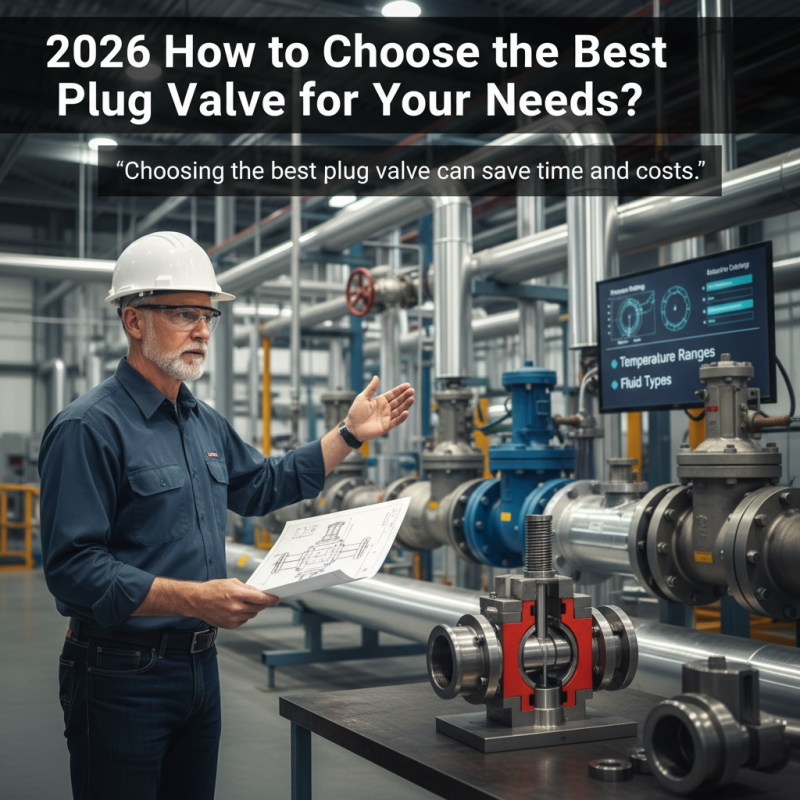
Understanding the Basics of Plug Valves and Their Applications
Plug valves are essential components in fluid control systems. Their unique design allows them to provide tight sealing capabilities while ensuring easy operation. Understanding how they function is crucial for selecting the right valve for your applications.
These valves use a cylindrical or tapered plug to control flow. The plug rotates within the valve body to either open or close the passage. This mechanism is highly effective for on-off control. However, it may not be suitable for throttling services. Consider their applications carefully, as they excel in environments where quick shut-off is needed.
In many industries, plug valves find their place in gas and liquid services. They handle various fluids, but the choice of material is vital. Different materials can affect durability and performance. It's not a one-size-fits-all situation. Often, users overlook how temperature and pressure conditions impact valve selection. Ignoring these factors could result in poor performance or premature failure. Be mindful of these details to ensure reliable operation in your specific application.
Key Factors to Consider When Selecting a Plug Valve
When selecting a plug valve, several key factors come into play. First, consider the material of the valve. Different materials offer varying levels of durability and resistance to chemicals. For example, stainless steel is commonly chosen for its corrosion resistance. However, it can be costly and may not be necessary for all applications. Understanding the conditions in which the valve will be used is crucial.
Next, think about the valve size. Ensure it fits the piping system correctly. If the valve is too small, it may lead to flow restrictions. Too large, and it could cause inefficiency. Additionally, look at the pressure and temperature ratings of the valve. These factors must align with your operational needs.
Operational ease should also be a priority. Some valves are easier to operate than others. Consider how often maintenance will be required. If the valve is hard to access, it may lead to costly downtime. Reflect on these details, as they can greatly influence your choice. Making a well-informed decision will help in achieving long-term reliability.
Different Types of Plug Valves and Their Advantages
When selecting a plug valve, understanding the different types available is crucial. The most common types include lubricated, non-lubricated, and eccentric plug valves. Each type serves specific needs and has distinct advantages. For instance, lubricated plug valves offer reduced friction, which ensures smoother operation. This type is ideal for high-pressure applications where reliability is key.
Non-lubricated plug valves are often favored in systems where contamination is a concern. Their design minimizes the risk of product mixing. They perform well across various media, including gas and liquids. Eccentric plug valves, on the other hand, are well-suited for throttling applications. Their unique design allows for a gradual opening, making it easier to control flow rates.
It is worth considering the materials used in the construction of these valves. Different materials impact durability and compatibility with various substances. Evaluating your operational environment is essential when making a choice. Reflecting on the specific requirements will guide you in selecting the most suitable plug valve for your needs.
Material Selection for Durability and Compatibility
When selecting a plug valve, material choice is crucial for ensuring durability and compatibility. Common materials include stainless steel, bronze, and PVC, each suited for specific applications. For example, stainless steel provides excellent corrosion resistance in harsh environments but may not be ideal for acidic fluids. According to the 2021 Valve Industry Report, over 35% of valve failures are attributed to material incompatibility.
Tip: Assess the chemical properties of the fluid to ensure the valve's material aligns with your application’s requirements.
Furthermore, the environmental conditions significantly impact material performance. High temperatures can weaken plastics, while certain alloys may become brittle in cold environments. Engineers recommend a material selection strategy that factors in both the chemical nature of the fluid and the physical conditions of use. Data indicates that up to 50% of maintenance issues are linked to inappropriate material selection.
Tip: Consider lifecycle costs and not just initial purchase price. Long-term reliability can save significant expenses over time.
Maintenance Tips for Ensuring Optimal Valve Performance
Maintaining plug valves is crucial for optimal performance. Regular inspections and proper care ensure longevity and efficiency. According to industry reports, a well-maintained valve can last 30% longer than one that is neglected. This is significant when considering costs in large-scale operations.
Cleaning is essential. Accumulated debris can hinder functionality. Use appropriate cleaning agents that do not corrode the valve materials. Lubrication is another key aspect. The right lubricant reduces friction and wear. Research indicates that proper lubrication can enhance valve operation by up to 25%.
Keep an eye on wear parts. Seals and seats are often the first to show signs of fatigue. Replacing these components promptly helps prevent larger issues down the line. Failing to do so might lead to costly system failures. Operators often underestimate the importance of following manufacturer guidelines. Adhering to these specs is vital for safety and efficiency.
Performance Comparison of Different Plug Valve Types
This chart illustrates the performance scores of different types of plug valves based on various operational criteria. A higher score indicates better performance and reliability for specific applications, helping you choose the most suitable option for your needs.