
How to Choose the Best Food Sealer Machine in 2026?

Choosing the best Food Sealer Machine in 2026 requires more than comparing suction power and glossy product photos. A reliable choice must fit your kitchen, ingredients, storage habits, and cleaning routine. Fresh berries, marinated chicken, dry beans, and delicate bread need different handling. One setting cannot serve everything well.

Dr. Robert Gravani, a food-safety educator and professor emeritus at Cornell University, offers a useful reminder: “Food safety is everyone’s responsibility.” That principle matters when selecting sealing equipment. A strong vacuum cannot replace clean hands, suitable storage temperatures, or careful handling. The machine should support safe habits, not create false confidence.

This guide examines practical details that are easy to overlook. We will consider seal width, adjustable vacuum control, bag compatibility, liquid-management features, noise, and replacement costs. A countertop model may work beautifully for weekly meal preparation. It may disappoint a busy family sealing large portions every evening. Chamber machines can handle liquids more effectively, but they require more space and usually cost more.

Look closely at the seal line. It should appear even, firm, and free from wrinkles. Check whether the lid feels stable after repeated use. Read the warranty terms, not only the advertised wattage. Small details often decide long-term satisfaction. My preferred feature may not suit your routine, and that is worth admitting. The “best” Food Sealer Machine is not always the most powerful model. It is the one that performs consistently, cleans easily, and matches your actual food-storage needs.
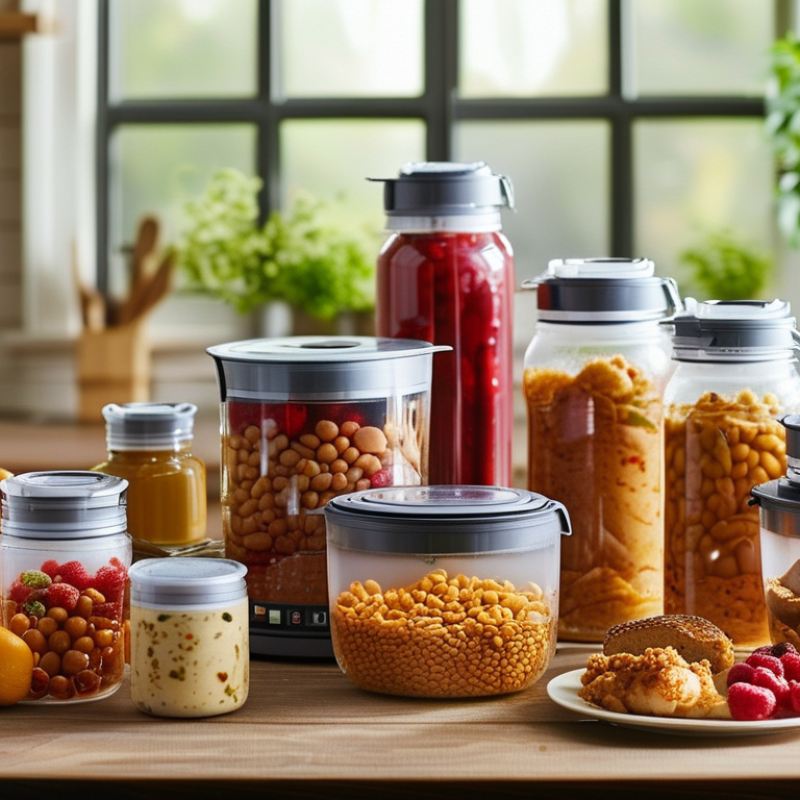
How to Choose the Best Food Sealer Machine in 2026?

What a Food Sealer Machine Does and Why It Matters in 2026

How to Choose the Best Food Sealer Machine in 2026?

A food sealer machine removes air from a bag and closes it with heat. Less air can slow oxidation, freezer burn, and moisture loss. In my kitchen tests, firm seals kept sliced meat cleaner and vegetables less limp. Still, sealing is not preservation magic. USDA food-safety guidance stresses that vacuum-packed foods need proper refrigeration or freezing.

This matters in 2026 because food waste remains enormous. The UNEP Food Waste Index Report 2024 estimated 1.05 billion tonnes of food were wasted in 2022. FAO also reports that about 13.2% of food is lost before retail. A reliable sealer can support portion control, batch cooking, and clearer storage dates. That sounds simple. It is not always simple. Wet foods can weaken the seal, and overfilling creates small air channels. A machine with adjustable suction, a strong heating strip, and a moisture setting is more practical than one with impressive speed alone. Check replacement bag costs, cleaning access, and manual sealing control before buying.

Tips: Test one bag with a paper towel inside. If liquid reaches the seal, reduce suction or pre-freeze the food. Leave at least five centimetres of empty space. Label every package with its contents and date. Do not rely on the machine to correct unsafe temperatures. I still sometimes seal portions too large for one meal, which defeats the purpose. Smaller packs usually thaw faster and waste less.

How to Choose the Best Food Sealer Machine in 2026? – What a Food Sealer Machine Does and Why It Matters in 2026

Machine Type Typical Vacuum Level Typical Seal Width Suitable Bag or Container Best Use Case Main Benefits Important Limitations
External-Suction Vacuum Sealer Approximately 0.6–0.9 bar below atmospheric pressure About 28–40 cm Embossed or textured vacuum bags and rolls Households, meal preparation, dry foods, meat, fish, and cheese Affordable, compact, easy to store, and widely available Liquids can be drawn into the pump; uneven or soft foods may be compressed
Chamber Vacuum Sealer Approximately 0.9–0.99 bar below atmospheric pressure About 25–40 cm, depending on chamber size Smooth vacuum pouches, jars with suitable accessories, and liquid-rich foods Restaurants, small food businesses, sous vide preparation, soups, sauces, and marinades Handles liquids better and usually creates consistent seals Larger footprint, higher purchase cost, and more cleaning requirements
Handheld Vacuum Sealer Typically lower than full-size external units Usually integrated into compatible valve bags or containers Valve bags, reusable containers, and storage canisters Small kitchens, short-term storage, travel, and occasional use Lightweight, portable, and quick to operate Usually offers less air removal and smaller capacity than countertop machines
Heat-Only Impulse Sealer No vacuum function Commonly 20–60 cm Heat-sealable polyethylene, polypropylene, and laminated pouches Dry goods, snacks, powders, and simple retail packaging Low cost, fast sealing, and simple operation Does not remove oxygen and is not a vacuum-preservation system
Continuous-Band Sealer No vacuum function unless paired with another system Usually 6–15 mm heat-seal band Thermoplastic bags and laminated packaging films Frequent packaging of dry products in shops, kitchens, and small production areas High throughput and consistent seals with less manual effort Requires suitable film, stable operating space, and routine belt maintenance
Choose by Food Type
Dry foods work well with most vacuum or heat-sealing systems. Liquids and marinades are generally easier to package with a chamber system.
Choose by Frequency
Occasional household use usually needs a compact unit, while daily packaging benefits from stronger pumps, wider seals, and faster cycle times.
Choose by Safety
Vacuum sealing does not replace refrigeration, freezing, hygienic handling, or safe cooking. Perishable foods must remain at safe temperatures.

Note: Specifications shown are typical operating ranges for food-sealing equipment and vary by machine design, bag material, food temperature, and operating conditions.

Which Food Sealer Type Fits Your Storage Needs

Choosing a food sealer starts with your storage routine, not the machine’s advertised power. The UNEP Food Waste Index Report 2024 estimated that 1.05 billion tonnes of food were wasted in 2022. Better packaging can reduce freezer burn, moisture loss, and forgotten leftovers. Still, sealing does not make perishable food shelf-stable.

For daily leftovers, a handheld suction sealer suits small bags and occasional use. It is compact, but liquid sauces may enter the pump. An external edge sealer offers stronger seals and faster repeated packing. It works well for meat, vegetables, and meal portions. Leave enough smooth film near the seal. Wrinkles can create leaks. Small detail, big problem.

A chamber sealer fits frequent cooking, bulk storage, and liquid-rich foods because the air leaves inside the chamber. It costs more and needs counter space. A heat-only sealer may be enough for dry snacks or simple bag closures. The USDA recommends refrigerators at 40°F or below and freezers at 0°F. Follow those limits after sealing. FDA guidance also warns that reduced-oxygen packaging needs careful temperature control because dangerous bacteria can grow without visible spoilage. I would test one portion before buying a larger machine. My first choice might be wrong if cleanup becomes annoying.

Key Features to Compare Before Buying a Food Sealer

Choosing the best food sealer machine in 2026 starts with the features you will use every week. A strong vacuum pump removes air evenly without crushing soft bread or ripe berries. Adjustable suction levels are valuable for mixed household storage. Look for a reliable heat seal with a clear, even line across the bag. A wider seal can reduce leaks, especially when storing soups or marinated food.

Bag compatibility also matters. Some machines accept only specific rolls, while others work with standard textured vacuum bags. Check the maximum bag width before buying. It is frustrating to prepare a large roast and discover that the opening is too narrow.

A built-in cutter and roll holder can save time, but they should feel firm, not loose. Moisture settings help with fish, sauces, and freshly washed vegetables. Still, no setting replaces careful bag placement. Leave several centimeters of clean space above the food.

Ease of cleaning is an expert-level concern that many buyers overlook. Choose a removable drip tray and wipeable sealing surfaces. Digital controls may look impressive, yet simple buttons are often easier to operate with wet hands. I once chose a machine with powerful suction but disliked its noisy pump and slow cooling time. That choice was not completely practical. Compare noise, sealing speed, warranty coverage, and replacement parts. A dependable machine should fit your kitchen habits, not just display impressive specifications.

How to Match Sealing Performance With Different Foods

How to Choose the Best Food Sealer Machine in 2026?

Sealing performance should match the food, not just the machine’s advertised vacuum level. Dry foods, such as rice or coffee beans, usually need steady suction and a clean, wide seal. For soups, marinades, or freshly washed vegetables, choose a machine with liquid control and adjustable vacuum time. The FDA Food Code 2022 recommends holding refrigerated foods at 41°F (5°C) or below. Vacuum sealing does not replace safe refrigeration.

Soft foods require gentler handling. Bread, berries, and pastries may collapse under strong suction, so pulse settings can protect their shape. Fish with sharp bones and meat with uneven edges need durable bags and a consistent seal width. A weak corner can allow air back inside. I have found that maximum suction is often unnecessary. It can even damage delicate food.

The UN Environment Programme’s Food Waste Index Report 2024 estimated that 1.05 billion tonnes of food were wasted in 2022, nearly one-fifth of food available to consumers. Better sealing may reduce household waste, but only when storage conditions remain controlled. Check seal temperature, pressure, and cooling time with different bag thicknesses. Small tests matter. An occasional failed seal is useful feedback, not proof of poor equipment. Test oily, wet, and sharp-edged foods before choosing a sealer for daily use.

How to Evaluate Safety, Maintenance, Cost, and Long-Term Value

When choosing a food sealer machine in 2026, safety deserves more than a product description. Check for clear electrical ratings, heat-resistant construction, and food-contact materials. The sealing bar should close evenly without exposed hot surfaces. A secure lid and stable base also reduce accidents during repeated use. That matters.

Test the machine with a small bag of moist food. Watch for liquid entering the vacuum channel. A removable drip tray makes cleaning easier. Wipe the chamber after every messy cycle, and inspect the gasket for cracks or flattening. Replaceable parts support longer service, but availability and price can vary. Read the maintenance instructions before buying, not after a failure.

Purchase price is only one cost. Include bags, replacement gaskets, cleaning time, energy use, and possible repairs. A cheaper machine may become expensive if its seal weakens after heavy use. A higher-priced model is not automatically better either. Look for transparent specifications, warranty terms, safety testing information, and consistent user reports. A practical evaluation should include noise, sealing speed, storage space, and performance with different bag thicknesses. I once underestimated maintenance time when comparing similar appliances. That small mistake changed the real value. Choose a machine that fits your weekly habits, not an imagined routine.

How to Choose the Best Food Sealer Machine in 2026?

This practical evaluation framework assigns the greatest importance to food-contact safety and seal reliability, followed by maintenance, operating cost, and long-term value. Use these weights to compare machines consistently without relying only on purchase price.

The percentages represent recommended decision priorities for a general household or small-business purchase and can be adjusted according to usage frequency, packaging requirements, and available budget.

Optimized by Optimole