2026 How to Choose the Right Fuse Terminal Blocks?
Selecting the right Fuse Terminal Blocks is crucial for ensuring electrical safety and efficiency. These components are essential for managing circuits and protecting against overloads. A proper choice can prevent failures and extend the lifespan of your electrical system.
When choosing Fuse Terminal Blocks, consider the specific requirements of your application. Factors such as current rating, voltage rating, and environmental conditions play significant roles in this decision. Failing to account for these can lead to issues like overheating or circuit failure. This choice requires careful thought and, at times, trial and error.
In a world where electrical demands are constantly evolving, it is essential to stay informed about the latest advancements in Fuse Terminal Blocks technology. The market offers a variety of options, but not every type will suit your needs. Take the time to research and analyze what works best for your specific situation to ensure reliability and safety.
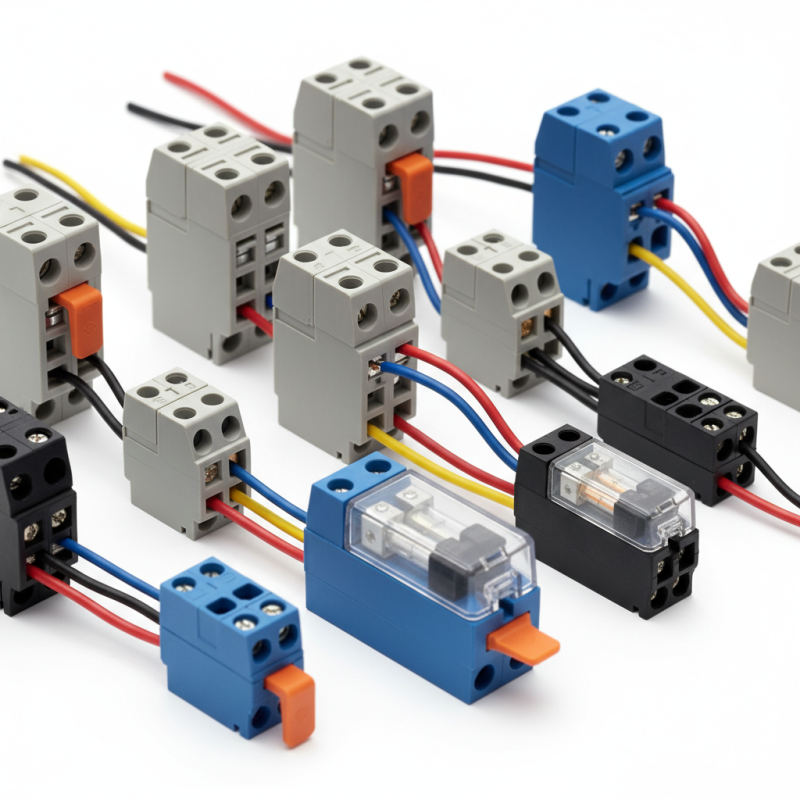
Understanding Fuse Terminal Blocks: An Overview of Types and Functions
Fuse terminal blocks serve a crucial role in electrical safety. They protect circuits from overload and short circuits. Understanding the types helps in selecting the right one for your needs. There are various designs, including modular and panel-mounted options. Each type has unique features, such as size or voltage ratings. Knowing these is vital for effective application.
The function of fuse terminal blocks revolves around their ability to house fuses securely. This security prevents accidental disconnections and ensures stable connections. It's essential to consider the operating environment. Temperature, humidity, and potential exposure to chemicals can impact performance. Choose a block that can withstand the conditions of your installation.
Selecting the right fuse terminal block is not always straightforward. It's easy to overlook key details like amperage ratings or mounting styles. A common mistake is assuming that all fuses fit the same block. Ensuring compatibility requires attention. Seek out detailed product specifications and user manuals. Collecting this information will guide a more informed choice.
Key Considerations for Selecting Fuse Terminal Blocks in Electrical Systems
When selecting fuse terminal blocks for electrical systems, several key considerations come into play. It’s crucial to understand the ampacity ratings of the fuses you intend to use. This rating must match the demands of your specific application. Consider the voltage ratings as well. Using a fuse terminal block rated for lower voltages than required can lead to failures and safety hazards.
The construction material of the fuse terminal block also warrants attention. Materials like thermoplastic can offer better insulation and heat resistance. However, some applications may require metal parts for improved conductivity. Think about the environmental conditions too. If the terminal blocks will be exposed to moisture or dust, choosing weather-resistant options is vital.
Reflect on the installation process as well. User-friendly designs can make a big difference. Complex connections may lead to installation errors. Ease of maintenance is another factor. Frequent checks will be necessary. Choose blocks that allow for easy access. Remember, reliable connections prevent costly downtime in the future.
2026 How to Choose the Right Fuse Terminal Blocks? - Key Considerations for Selecting Fuse Terminal Blocks in Electrical Systems
| Consideration | Description | Example |
| Current Rating | Choose fuse terminal blocks that can handle the maximum current that will pass through them. | Up to 30A, 50A, etc. |
| Voltage Rating | Select a voltage rating that meets or exceeds the application's voltage requirements. | 250V, 600V, etc. |
| Fuse Type | Consider whether to use fast-acting or time-delay fuses based on the application. | Fast-acting for sensitive devices, time-delay for motors. |
| Mounting Style | Determine if the terminal block will be mounted on a panel, DIN rail, or PCB. | Panel-mounted or DIN rail-mounted options. |
| Material | Select materials that provide durability and corrosion resistance. | Plastic, metal housing. |
| Size | Ensure the size of the terminal block fits within the enclosure or designated space. | Compact, standard size options. |
Evaluating Voltage and Current Ratings for Optimal Fuse Performance
Selecting the correct fuse terminal blocks begins with evaluating voltage and current ratings. These ratings are critical for optimal fuse performance. According to a report by the National Electrical Manufacturers Association (NEMA), nearly 30% of electrical system failures can be traced back to improper fuse selection. Ensuring that the voltage rating of the terminal block exceeds the system voltage mitigates risks effectively.
Current ratings are equally significant. The American National Standards Institute (ANSI) indicates that using a fuse terminal block with a current rating too low can lead to premature blown fuses. Proper planning around ampacity is essential for safe operation. For example, a 15A fuse should ideally be paired with a block rated for at least 20A. This gives a safety buffer, reducing the chance of system overloads.
Understanding the interplay between these ratings is crucial. It's common for technicians to overlook the environment in which the fuse operates. High temperatures can degrade performance, affecting both voltage and current ratings. Regular assessments and updates to specifications can ensure longevity and reliability in electrical systems. Continuously examining and adapting to operating conditions helps prevent systemic failures.
Material Composition and Its Impact on Fuse Terminal Block Reliability
When selecting fuse terminal blocks, material choice is crucial. Different materials affect durability and performance. For instance, plastic blocks may be lighter but less resilient than metal counterparts. A robust material ensures consistent electrical connections. Consider environmental factors like moisture and temperature, which impact material performance.
Tips: Always check for UV stability in plastic materials. This can extend the product’s lifespan significantly.
Copper and brass are popular for their conductivity. However, alloys can also offer strength and reduced corrosion. Pay attention to the specific application demands, as metal fatigue can be an issue over time, especially in vibrating environments.
Tips: Regular maintenance and inspections are key. Small wear can lead to larger failures later. Consider using coated metals for enhanced reliability.
Industry Standards and Compliance Requirements for Fuse Terminal Blocks
When selecting fuse terminal blocks, industry standards and compliance requirements play a crucial role. Organizations such as IEC and UL provide guidelines that ensure safety and reliability in electrical installations. For instance, IEC 60947-7-1 outlines the requirements for low-voltage fuse terminal blocks, including their design, testing, and performance criteria. Compliance with these standards helps prevent system failures and enhances operational safety.
Moreover, understanding material quality is essential. Terminal blocks constructed with high-grade materials resist corrosion and withstand high temperatures. According to a recent industry report, failures due to inferior materials account for approximately 30% of electrical faults. This highlights the need to prioritize quality in fuse terminal block selection.
However, not all manufacturers adhere strictly to these standards. Some may provide subpar products at reduced prices, risking long-term reliability. It's essential to research and verify compliance certifications. Knowing how to differentiate between compliant and non-compliant products can significantly impact system performance and safety. Regular audits of materials and components are advisable to maintain adherence to industry standards.