How to Choose a TPB 90 Pneumatic Paving Breaker?
Choosing the right TPB 90 Pneumatic Paving Breaker requires more than comparing impact rates and price tags. The tool must match the material, work depth, air supply, and operator’s daily workload. Concrete, asphalt, brick, and compacted stone can demand different performance levels. A breaker that feels powerful on paper may struggle when the compressor cannot maintain stable pressure. That detail is easy to overlook.
Experienced contractors usually begin with the job, not the brand name. Check the manufacturer’s rated air consumption, operating pressure, shank size, impact frequency, and recommended hose diameter. A compatible air hose helps reduce pressure loss across a busy worksite. Weight also matters. A heavier model may deliver strong penetration, but it can increase fatigue during long vertical or overhead tasks. Short jobs hide this problem.
Look closely at vibration control, handle design, lubrication needs, and replacement-part availability. These features affect comfort, downtime, and long-term operating cost. Ask whether local technicians can support routine maintenance. Reliable documentation is valuable here. It should explain inspection intervals, lubrication points, safe startup procedures, and approved accessories.
Real job conditions can challenge neat specifications. Dust, moisture, worn couplings, and inconsistent compressors change performance quickly. No single breaker suits every crew. Reconsider the purchase if the tool only works under ideal conditions. A practical evaluation should include a short field trial, noise and vibration observations, and feedback from actual operators. The best TPB 90 Pneumatic Paving Breaker is the one that delivers controlled power, manageable fatigue, and dependable service across the tasks you genuinely perform.
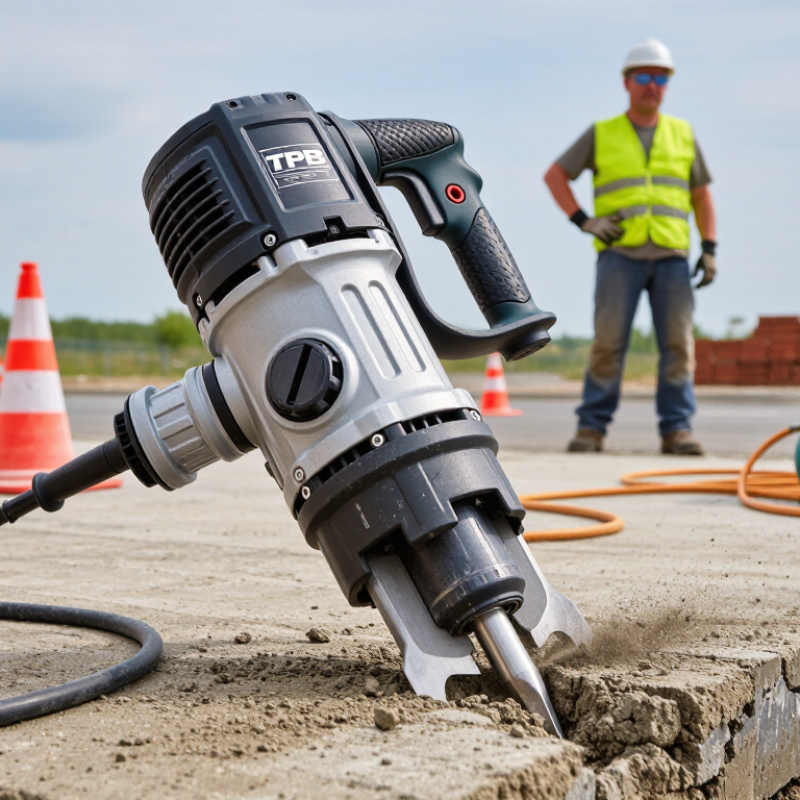
TPB 90 Pneumatic Paving Breaker: Definition and Main Applications
A TPB 90 pneumatic paving breaker is a heavy-duty tool that converts compressed air into repeated impact energy. The “90” commonly indicates a 90 mm class, but specifications can vary. Always check the technical sheet before ordering. Its piston strikes a fitted chisel, breaking hard materials through concentrated force. The tool needs a suitable compressor, strong hose, and correctly sized couplings. Air pressure alone does not determine performance.
On road projects, workers use this breaker to remove thick asphalt, damaged concrete, and compacted base layers. It can also open channels for repairs, demolish masonry sections, and prepare foundations for replacement work. A pointed bit helps start fractures. A moil point suits general breaking, while a flat chisel can separate slabs more cleanly. The work feels different on each surface.
Choosing the right TPB 90 requires more than comparing impact power. Check operating pressure, air consumption, tool weight, vibration level, and available spare parts. A compressor may run the breaker but fail to maintain steady pressure. That mistake reduces impact speed and overheats the system. On a crowded repair site, excessive weight can also increase fatigue after several hours. Harder is not always better.
Inspect the air line for moisture and leaks before use. Drain the compressor regularly. Lubricate the breaker according to its service instructions, and replace worn chisels promptly. In practice, users sometimes overlook hose diameter. I have seen this small detail weaken an otherwise capable tool. Proper training, hearing protection, eye protection, gloves, and controlled footing remain essential around flying fragments and vibration.
Key Specifications and Operating Requirements of the TPB 90
Choosing a TPB 90 pneumatic paving breaker requires more than checking its name. The “90” commonly refers to a 90 mm cylinder diameter, but specifications can vary by manufacturer and production series. Check the technical plate and operating manual before purchase.
A typical unit may weigh around 17 kilograms, with an impact rate near 1,000 blows per minute.
Its working air pressure is often about 0.63 MPa, while air consumption may reach 1.2 cubic meters per minute.
These figures directly affect compressor size and jobsite performance.
Air supply matters greatly. Use a compressor that can maintain stable pressure under continuous load, not just reach the advertised maximum. A short, wide-bore hose helps reduce pressure loss. Inspect couplings, seals, and the air filter before each shift. Drain moisture from the compressor regularly.
Wet air can damage internal parts and reduce striking force. The breaker should use clean pneumatic oil through a suitable lubricator, following the specified dosage. Too little oil causes friction; too much can contaminate the work area.
Match the tool bit to the material. Pointed bits suit fractured concrete, while wider chisels can help with controlled surface removal. Hold the breaker firmly, but do not force it sideways. Let the impact mechanism work vertically.
Wear eye, hearing, hand, and foot protection, especially around flying chips and vibration. In field use, operators sometimes overestimate compressor capacity.
I have seen a powerful breaker perform poorly because the hose was undersized. That mistake is easy to miss.
Check the actual pressure at the tool, not only at the compressor.
How to Match the Breaker With an Air Compressor and Tools
Choosing a TPB 90 pneumatic paving breaker starts with the air compressor, not the breaker itself. Check the breaker’s required air volume and working pressure in its technical manual. The compressor must deliver that volume continuously, not only during startup. A small tank may run the tool briefly, then lose pressure under heavy concrete work. That slowdown is easy to miss.
Leave a practical margin.
For reliable operation, select a compressor with higher usable airflow than the breaker requires. Consider altitude, hose length, leaks, and other connected tools. A long, narrow hose can restrict airflow before it reaches the handle. Use the recommended hose diameter, secure couplings, and inspect them before every shift. Pressure should remain stable while the piston strikes. If it falls sharply, the compressor may be undersized or the fittings may be restricted.
Tool selection also affects performance. Match the shank and working length to the breaker’s specifications. Use a moil point for deep penetration, a chisel for splitting, and a blunt tool for compacting suitable materials. Keep the tool sharp and properly seated. Lubricate the air inlet with the specified pneumatic oil, and keep moisture away from internal parts. I once treated frequent pressure loss as a compressor problem; the real cause was a worn coupling. That mistake changed my inspection routine. Test the complete setup on a small section before full production. Safety glasses, hearing protection, gloves, and stable footing remain essential around flying fragments and vibration.
Step-by-Step Guide to Selecting the Right TPB 90 Model
Choosing a TPB 90 pneumatic paving breaker should begin with the job, not the product name. Step one is identifying the material: asphalt, concrete, masonry, or compacted stone. Harder surfaces need suitable impact energy and a sharp, compatible tool bit. Check the breaker’s operating weight too. A heavy unit may cut faster, but it can exhaust an operator on uneven ground. Record the daily workload, working angles, and available air pressure before comparing models.
Tips: Match the breaker to a compressor that can maintain the required airflow during continuous use. Do not rely only on advertised peak output. Measure hose length and diameter, because pressure loss can reduce striking performance. Select a bit for the task, then inspect its retainer, bushing, and lubrication points. Keep hearing, eye, hand, and foot protection in the work plan. Small details matter.
For the right TPB 90 model, compare vibration control, handle design, trigger response, maintenance access, and spare-part availability. Ask for verified specifications, test records, and a clear operating manual. Experienced crews should still trial the tool for fifteen minutes before purchase. A perfect choice is rare. I would reconsider any model that feels powerful but difficult to control. Confirm actual site conditions after the first trial, because catalog figures cannot show every operator’s fatigue or every slab’s resistance.