What is a Hair Pin Machine and How Does It Work?
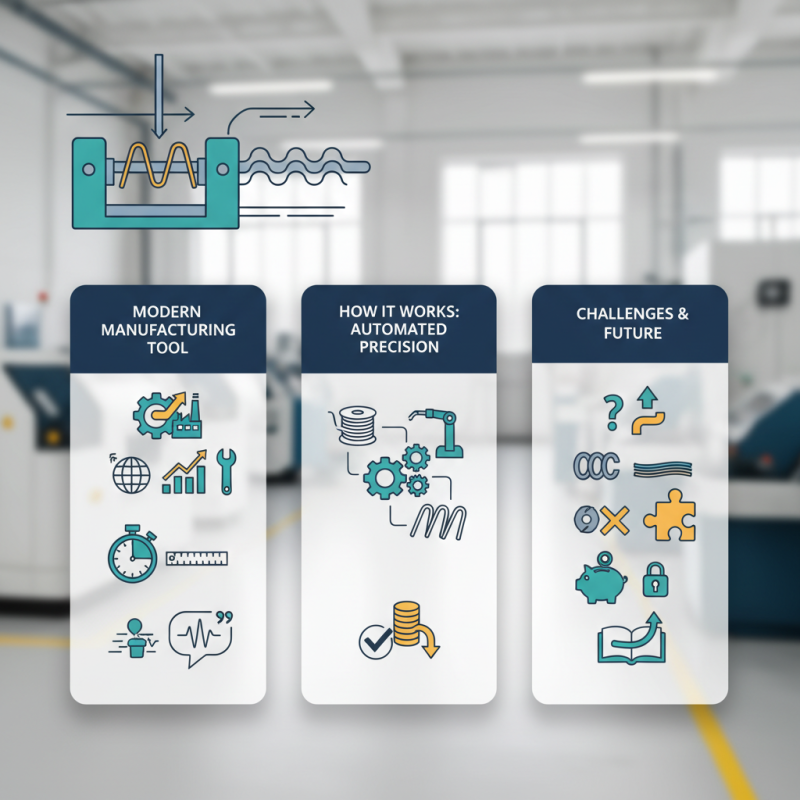
The Hair Pin Machine is an essential tool in the modern manufacturing sector, specifically within the fastener industry. According to the Global Fasteners Market Report 2023, the demand for automated machines such as the Hair Pin Machine is projected to grow significantly, driven by increased production efficiency. Industry expert Dr. Alice Thompson states, "The Hair Pin Machine revolutionizes how we produce fasteners, marrying speed with precision."
Traditional manufacturing methods, while reliable, often lack the consistency demanded by today’s market. The Hair Pin Machine addresses this gap by utilizing advanced technology to ensure high-quality output. It automates the intricate process of bending wire into hairpin shapes, which are used in numerous applications. The efficiency of such machines has led to a notable decrease in production costs, making them highly sought after.
Despite these advancements, challenges remain. Not every Hair Pin Machine caters to all industries. Variations in wire materials and design specifications can affect production. Furthermore, the initial investment for such machinery may deter smaller companies. This emphasizes the need for continuous learning and adaptation in this evolving industry.
What is a Hair Pin Machine? An Overview of Its Functionality
A hairpin machine is an automated device designed to produce hairpins efficiently. It operates using various mechanisms that shape and cut metal wire into desired hairpin forms. The typical process involves feeding wire into the machine, where it is gripped, bent, and finished. Each machine can produce thousands of hairpins in an hour, reflecting the high demand in the accessory market.
According to industry reports, the global hair accessory market is expected to reach $54 billion by 2025, indicating a growing need for efficient production methods. Many manufacturers rely on hairpin machines to maintain competitive pricing. However, challenges exist. For example, machinery might require regular maintenance to ensure consistent output and quality. Failure to do so can lead to increased waste and downtime.
Despite their efficiency, operators must be skilled to troubleshoot occasional malfunctions. It's not uncommon for production runs to face variability in material quality, impacting the final product. Even automated systems cannot eliminate all human oversight, highlighting a need for continuous learning and adaptation in the manufacturing process.
Key Components of Hair Pin Machines: A Technical Breakdown
Hair pin machines are fascinating pieces of equipment designed for manufacturing hairpins efficiently. Understanding their key components is essential for appreciating their functionality. The main parts include the feeding device, bending mechanism, and cutting system. Each component plays a crucial role in transforming raw materials into finished products.
The feeding device carefully aligns wire strands. It ensures that each piece is fed into the machine at the correct pace. This precision minimizes waste and enhances productivity. The bending mechanism follows closely, utilizing dies to shape the wire into the desired pin form. The intricacy in the die design can affect the quality of the final product. A poorly designed die may lead to inconsistent shapes, which could be problematic for manufacturers.
Finally, the cutting system processes the shaped wire into individual pins. It operates with adjustable settings to accommodate various wire thicknesses. Maintaining this system is vital. Any dull blades can slow production and lead to rejected items. Even with advanced technology, human oversight remains crucial. Operators must monitor the machine closely to ensure quality standards are met. This blend of mechanical precision and human touch reflects the complexity behind the simplicity of hair pins.
The Manufacturing Process: How Hair Pins Are Formed
The manufacturing process of hair pins is both intricate and fascinating. It begins with selecting high-quality wire. The wire is often made from stainless steel or other durable materials. Experts cut the wire into specific lengths, ensuring uniformity. Accurate measurements are crucial for the effectiveness of the final product.
Once the wire is cut, the next step involves shaping it. A hair pin machine bends each piece to form the desired curve. This bending process is mechanical but must be precise. If done poorly, the hair pin may not hold hair effectively. Quality control checks are important here. Each batch undergoes tests to ensure durability and performance.
Tips for manufacturers: Regular maintenance of machines is essential. A well-functioning machine produces better quality hair pins. Also, keep an eye on the raw materials. Consistency in wire quality ensures the final product meets standards. It's vital to listen to feedback from users as well. Sometimes, small adjustments can significantly improve the product's performance. A keen observation of user needs may also provide revolutionary insights.
Efficiency and Output: Industry Standards for Hair Pin Machines
Hair pin machines play a critical role in the manufacturing sector, particularly in the production of hairpins. These machines are designed for efficiency, enabling manufacturers to produce large quantities with precision. The demand for high-quality hairpins has spurred innovations, aiming to enhance output while minimizing waste. This reflects an increasing focus on sustainability in production processes.
Achieving industry standards requires a thorough understanding of various factors. Key performance indicators often include production speed, the accuracy of pin shapes, and durability. A well-calibrated hair pin machine can produce thousands of pieces daily, but neglecting maintenance can lead to significant downtimes. Regular checks on machinery are essential to ensure they operate at optimal levels. Operators must be trained and knowledgeable about the equipment to prevent costly mistakes.
The economic landscape in manufacturing is competitive. Meeting efficiency standards can be challenging. Companies need to balance speed with quality. Additionally, ongoing training for staff is vital. This ensures they stay updated on best practices. Sometimes, processes may seem flawless on paper but reveal issues in practice. Continuous improvement remains a necessity, pushing manufacturers to adapt and evolve.
What is a Hair Pin Machine and How Does It Work? - Efficiency and Output: Industry Standards for Hair Pin Machines
| Parameter | Value | Unit |
| Production Speed | 1200 | pieces/hour |
| Power Consumption | 3.5 | kW |
| Weight | 800 | kg |
| Dimensional Tolerance | ±0.02 | mm |
| Material Used | Carbon Steel | N/A |
| Daily Output | 9600 | pieces/day |
| Operator Count | 1-2 | operators |
Applications of Hair Pins: Market Demand and Usage Trends
Hair pins are often overlooked in today's fast-paced fashion world. However, they hold significant value across various industries. In beauty and fashion, hair pins serve both functional and decorative purposes. Stylists utilize them to secure hairstyles during events and photo shoots. At the same time, they are a common accessory for everyday use, appealing to a wide range of consumers.
The market demand for hair pins reflects these dual roles. With trends shifting towards vintage and minimalist styles, consumers are rediscovering the beauty of hair pins. Additionally, social media influencers are showcasing creative ways to use hair pins, driving their popularity further. This resurgence emphasizes practicality while also tapping into artistic expression.
Despite their simple design, hair pins come in multiple materials and styles. Some are ornate, while others are sleek and minimalistic. This diversity indicates a potential need for innovation in design and functionality. As markets evolve, manufacturers must adapt and rethink their approach to sustain interest. There is also a need to address environmental concerns in production. Crafting hair pins from sustainable materials could attract eco-conscious consumers. The ongoing trends highlight that sometimes, even everyday items require fresh perspectives.
Market Demand and Usage Trends of Hair Pins