Why Choose a Global OEM Horizontal Shower Drains Supplier?
In the ever-evolving construction industry, selecting the right components is crucial. A Global OEM Horizontal Shower Drains Supplier can significantly impact project outcomes. Expert insights indicate that high-quality shower drains contribute to efficient water drainage, preventing potential mold and water damage in buildings. According to the National Association of Home Builders, over 90% of homeowners prioritize durability in bathroom fixtures. This points to a rising demand for reliable suppliers.
However, not all manufacturers meet this need. The risk of choosing subpar suppliers can lead to inefficiencies. The market is saturated, making it challenging to identify trustworthy options. Research suggests that choosing established global suppliers can mitigate these risks. A reliable Global OEM Horizontal Shower Drains Supplier can ensure consistency in quality and performance. It's essential to scrutinize supplier credentials to avoid costly mistakes.
Consider the technological advancements that these suppliers offer. They often implement innovative designs and materials to enhance performance. Yet, not all innovations are practical. The industry must balance novelty with reliability. As you navigate this complex landscape, having a trusted supplier on your side can lead to successful project completions and satisfied clients.
The Importance of Global OEM Suppliers in the Shower Drain Industry
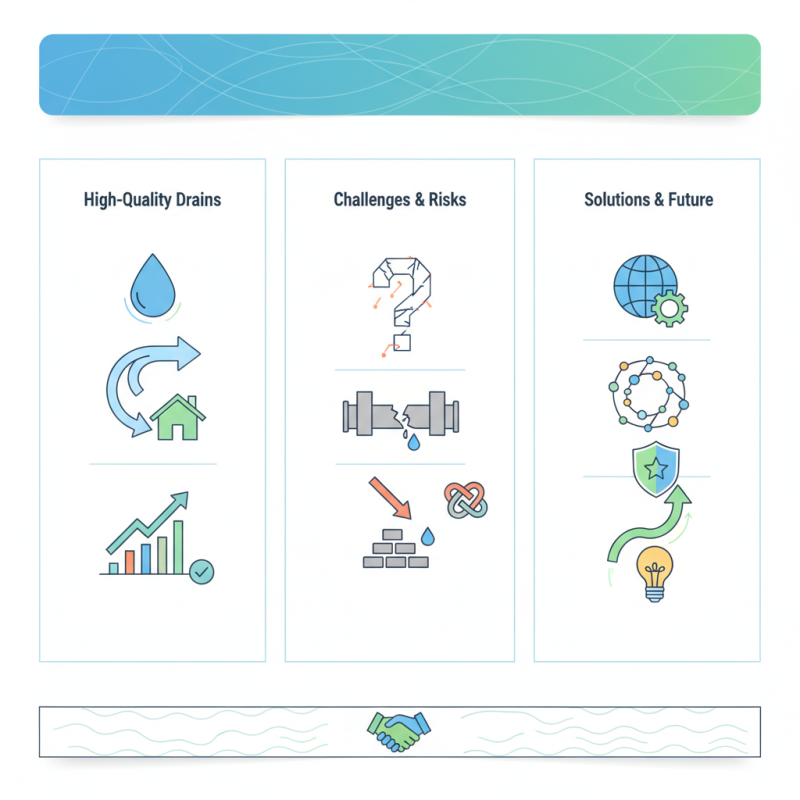
In the shower drain industry, global OEM suppliers play a crucial role. They provide manufacturers with high-quality components. These components meet varying regional standards and preferences. This ensures that products are functional and compliant in diverse markets.
Collaborating with a global OEM supplier allows access to specialized expertise. They have experience with advanced manufacturing techniques. This expertise can elevate product quality significantly. However, relying solely on one supplier can limit innovation. Different suppliers may offer unique design approaches. It’s beneficial to explore multiple sources.
Quality assurance in global supply chains can be challenging. There is a risk of inconsistencies. Effective communication is vital. Manufacturers must establish clear expectations. They should also regularly evaluate the supplier's performance. This includes checking product reliability and compliance with safety standards. A proactive approach enhances trust and accountability.
Why Choose a Global OEM Horizontal Shower Drains Supplier?
| Feature | Importance | Benefit |
| Quality Assurance | Ensures compliance with international standards | Reduces risk of product failure and increases customer satisfaction |
| Cost Efficiency | Access to competitive pricing structures | Improves profit margins for retailers |
| Innovative Technology | Utilization of the latest manufacturing processes | Enhances product efficiency and lifespan |
| Diverse Product Range | Offers a variety of designs and specifications | Cater to different market needs and preferences |
| Reliable Supply Chain | Strong logistics and distribution networks | Ensures timely delivery and availability |
| Customization Options | Ability to tailor products to specific customer requirements | Increases market appeal and customer loyalty |
Key Advantages of Choosing Horizontal Shower Drains Over Vertical Options
Horizontal shower drains are gaining traction in modern bathroom designs. The choice between horizontal and vertical options goes beyond simple aesthetics. Research indicates that horizontal drains can be more effective in managing water flow, reducing pooling issues. This efficiency minimizes the risk of slip hazards, making spaces safer.
Data from industry reports highlights that improper drainage is responsible for up to 30% of bathroom accidents. In contrast, horizontal shower drains can help mitigate this. They allow for a broader area of collection, decreasing the chance of water stagnation. Their design is typically easier to install, especially in renovations, which can save both time and labor costs.
However, some may question their effectiveness in specific scenarios. Horizontal drains might not perform as well in extreme climates where heavy snowfall or rain can clog drainage systems. It’s essential to consider local conditions and installation processes carefully. Despite these challenges, the benefits often outweigh the disadvantages, making horizontal shower drains a reliable choice in many installations.
Advantages of Horizontal Shower Drains vs Vertical Shower Drains
This chart displays the advantages of choosing horizontal shower drains over vertical options. The ratings indicate how each advantage compares on a scale from 1 to 10, highlighting the overall preference for horizontal designs in terms of installation ease, water flow, maintenance, aesthetic value, and cost efficiency.
Market Trends: The Growth of the Global Shower Drain Market
The global shower drain market is witnessing significant growth, driven by increasing demand for innovative and efficient drainage solutions. According to recent market research, the global shower drain market is projected to reach USD 1.5 billion by 2026, with a compound annual growth rate (CAGR) of 6.2%. This growth is fueled by urbanization and the rise of modern bathroom designs.
You're not just getting a product when you choose a global OEM supplier. You're opting for expertise and high-quality materials that meet international standards. It’s important to consider the specifications and certifications that a supplier can provide. Companies often incorporate the latest technology in their products, which can enhance durability and performance.
Tip: When selecting a supplier, verify their experience and credentials. Ask for case studies or references. Some suppliers may not have a robust service network, impacting customer support after purchase. This reflects the importance of understanding the supplier's market presence.
As eco-friendly products gain traction, brands are also turning to sustainable materials. The integration of advanced design can lead to reduced maintenance costs. Yet, it's crucial to approach these innovations thoughtfully. Some designs may initially seem appealing, but improper installation can lead to issues.
Tip: Always consult with professionals before finalizing a product choice. Professionals can provide insights based on market trends and help avoid costly mistakes.
Quality Standards and Certifications for OEM Shower Drains
When selecting a global OEM supplier for horizontal shower drains, quality standards and certifications are crucial. The market demands compliance with various regulations to ensure safety and performance. ISO 9001, for example, is a standard that confirms a supplier’s commitment to quality management systems. According to a recent industry report by MarketsandMarkets, around 70% of construction projects prioritize suppliers with certified quality standards.
Understanding different certifications can help buyers assess the reliability of a supplier. For instance, NSF/ANSI certification guarantees that products are safe for use in plumbing applications. Additionally, drain systems must meet the strict requirements outlined by the WaterSense program, emphasizing water efficiency. Many suppliers fail to provide clear documentation on these certifications, making it challenging for customers to identify trustworthy partners.
Investing time to verify a supplier’s credentials is essential. A lack of transparency can raise concerns about product longevity and effectiveness. Poor quality drains can lead to unexpected costs, such as water damage or additional maintenance. Seeking suppliers with a proven track record and comprehensive certifications will ultimately lead to better project outcomes.
Impact of Supplier Reliability on Project Success in the Construction Sector
In the construction sector, the reliability of suppliers can significantly impact project outcomes. Selecting a global OEM for horizontal shower drains can enhance this reliability. These suppliers often have strict quality control measures in place, ensuring that their products meet international standards, which is vital in construction.
A supplier’s track record can be telling. Companies with a history of timely deliveries and minimal defects tend to maintain better client relationships. When materials are delayed, projects could face costly setbacks. Inconsistent supply chains can lead to rushed decisions or subpar alternatives, affecting the overall quality.
However, it’s essential to consider potential challenges. Not all global suppliers can adapt to local conditions efficiently. Communication barriers may arise, and cultural differences could complicate negotiations. Collaborating with a reliable supplier requires careful evaluation of their capabilities and responsiveness.
Identifying a partner that understands the local market is crucial; this often involves patience and thorough research. Balancing global reach with local insight helps ensure project success, making thoughtful supplier selection an integral part of the construction process.