Treated Fresh Air Tips for Optimal Indoor Air Quality?
Indoor air quality is vital for our health and comfort. Treated Fresh Air systems play a key role in ensuring this quality. Dr. Emily Turner, an expert in indoor environmental health, states, "Maintaining optimal indoor air quality is essential for overall well-being." Her insights remind us that clean air is not just a luxury; it's a necessity.
Treated Fresh Air systems filter and condition incoming air. This process removes pollutants, allergens, and unpleasant odors. However, not all systems are created equal. A proper installation is crucial to ensure effectiveness. Regular maintenance is equally important to avoid any pitfalls. Neglecting filters can lead to diminished air quality over time.
Creating a healthy indoor environment requires commitment. It’s easy to overlook air quality during busy days. Many people may not even realize the impact of poor air circulation. By investing in Treated Fresh Air, individuals can significantly improve their living spaces. This choice enhances comfort and supports better health outcomes in the long run.
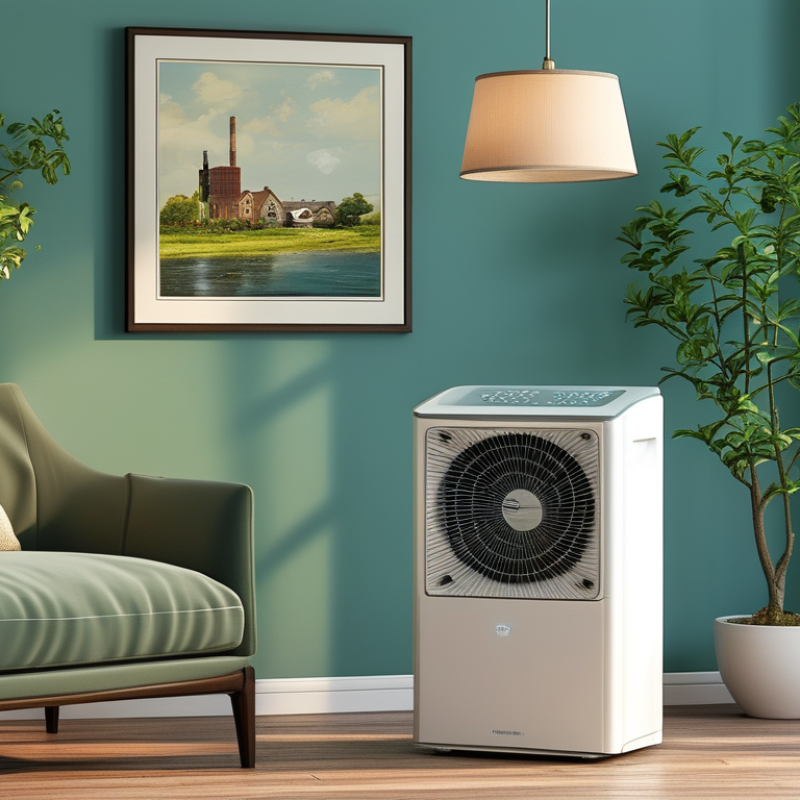
Understanding Treated Fresh Air and Its Importance
Indoor air quality is crucial for health and comfort. Treated fresh air plays a significant role in maintaining this quality. It ensures that the air we breathe indoors is clean and free from harmful pollutants. Pollutants can come from various sources, including cooking, cleaning products, and even furniture. Therefore, understanding how treated fresh air works helps in creating a healthier living environment.
Treated fresh air systems filter and manage air entering a building. They remove moisture, allergens, and contaminants. This process can significantly reduce respiratory issues and allergies. However, not all systems are perfect. For instance, some may not filter out every particle efficiently. Regular maintenance is essential to maximize their performance. Unnoticed issues in the system might lead to recirculating stale air.
Proper ventilation and treated air contribute to a comfortable space. Yet, they also require careful consideration. Evaluating the balance between outdoor air quality and indoor needs is essential. Some areas experience higher pollution levels outdoors, which can affect indoor air. Adjusting systems accordingly can be challenging but necessary for optimal results. Keeping an open mind about improvements can aid in achieving better air quality at home.
Types of Treated Fresh Air Systems for Indoor Environments
Treated fresh air systems play a vital role in maintaining indoor air quality. These systems filter and condition outdoor air before it enters a building. This process helps to remove pollutants, allergens, and excess humidity. Choosing the right system improves comfort and health for occupants.
There are several types of treated fresh air systems available. Heat Recovery Ventilators (HRVs) are common in colder climates. They transfer heat from outgoing air to incoming air, maintaining temperature and airflow. Energy Recovery Ventilators (ERVs) also play an essential role. They control humidity levels, making them ideal for humid environments.
Deciding on a suitable system requires careful consideration. Each type has its advantages and disadvantages. Not all systems work effectively in every setting. It's worth reflecting on the specific needs of your indoor environment. Ensuring proper installation and maintenance is crucial for optimal performance. A poorly designed system can lead to air quality issues rather than improvements.
Treated Fresh Air Systems Performance Comparison
This chart represents the performance levels of different types of treated fresh air systems based on various air quality metrics including PM2.5 reduction, CO2 removal efficiency, and energy consumption. These metrics are critical for optimizing indoor air quality in various environments.
Key Strategies for Enhancing Indoor Air Quality with Treated Fresh Air
Improving indoor air quality (IAQ) is crucial for health and comfort. Integrating treated fresh air into indoor environments can significantly enhance IAQ. Research shows that indoor air can be up to five times more polluted than outdoor air. According to the Environmental Protection Agency, poor air quality can lead to various health issues. These include respiratory problems, allergies, and decreased productivity.
One effective strategy involves the use of advanced filtration systems. These systems trap airborne particles, such as dust and allergens, ensuring that only clean air circulates indoors. Regular maintenance of ventilation systems is also vital. A study by the National Institute for Occupational Safety and Health revealed that maintaining proper humidity levels can reduce mold growth. Ideal indoor humidity levels range from 30% to 50%.
Utilizing energy recovery ventilators is another beneficial approach. These devices exchange stale indoor air with fresh outdoor air while retaining energy. They improve comfort and reduce energy costs. However, incorporating treated fresh air does present challenges. Many buildings have design limitations or budget constraints that hinder optimal implementation. Addressing these issues requires thoughtful planning and investment in technology that prioritizes IAQ.
Common Challenges in Maintaining Treated Fresh Air Systems
Maintaining treated fresh air systems presents various challenges. One key issue is filter maintenance. Clogged filters can greatly reduce air quality. Regular inspections can help identify when filters need changing. This small task can significantly impact overall performance.
Another challenge is temperature control. Fluctuations can lead to discomfort and decreased air quality. Installing thermostats can help manage these changes more effectively. Additionally, consider using humidity control systems. These are crucial for ensuring the air remains fresh and comfortable.
Here are a few tips for improved indoor air quality. Regularly check your air ducts for leaks. Seal any gaps to prevent unfiltered air from entering. Monitor indoor air humidity levels. Ideally, keep humidity between 30% and 50%. Lastly, use plants. They can naturally improve air quality by removing toxins.
Best Practices for Regular Maintenance of Air Quality Systems
Regular maintenance of air quality systems is crucial for ensuring a healthy indoor environment. Over time, filters can become clogged with dust and allergens. This reduces the system's efficiency in treating fresh air. It is advisable to check and change filters every few months. Neglecting this can lead to poor air quality.
Another important aspect is to clean ducts and vents periodically. Dust and mold can accumulate in these areas. This can affect the air quality negatively. For many households, it's easy to overlook the hidden parts of an air system. Scheduling a professional inspection may seem unnecessary, but it can uncover significant issues.
Monitoring humidity levels also plays a vital role. High humidity can promote mold growth, while low humidity can irritate airways. Aim for a balanced humidity level between 30% and 50%. Use a hygrometer to keep track. Consider investing in a dehumidifier or humidifier if conditions fluctuate often. Striving for consistent air quality is a continuous journey, not a one-time fix.
Treated Fresh Air Tips for Optimal Indoor Air Quality? - Best Practices for Regular Maintenance of Air Quality Systems
| Best Practices | Frequency | Description | Impact on IAQ |
| Change Filters | Monthly | Replace air filters to remove dust and allergens. | Improves air circulation and reduces pollutants. |
| Clean Ducts | Every 1-3 Years | Professional cleaning to eliminate trapped dust and contaminants. | Enhances airflow and air quality. |
| Monitor Humidity | Regularly | Use a hygrometer to maintain humidity levels between 30-50%. | Prevents mold growth and improves comfort. |
| Ventilation Checks | Quarterly | Inspect ventilation systems for blockages and performance. | Ensures fresh air circulation and reduces airborne contaminants. |
| CO2 Monitoring | Daily | Check CO2 levels using a monitor. | High levels can indicate inadequate ventilation. |