How to Choose the Best UAV Accessories for Your Needs?
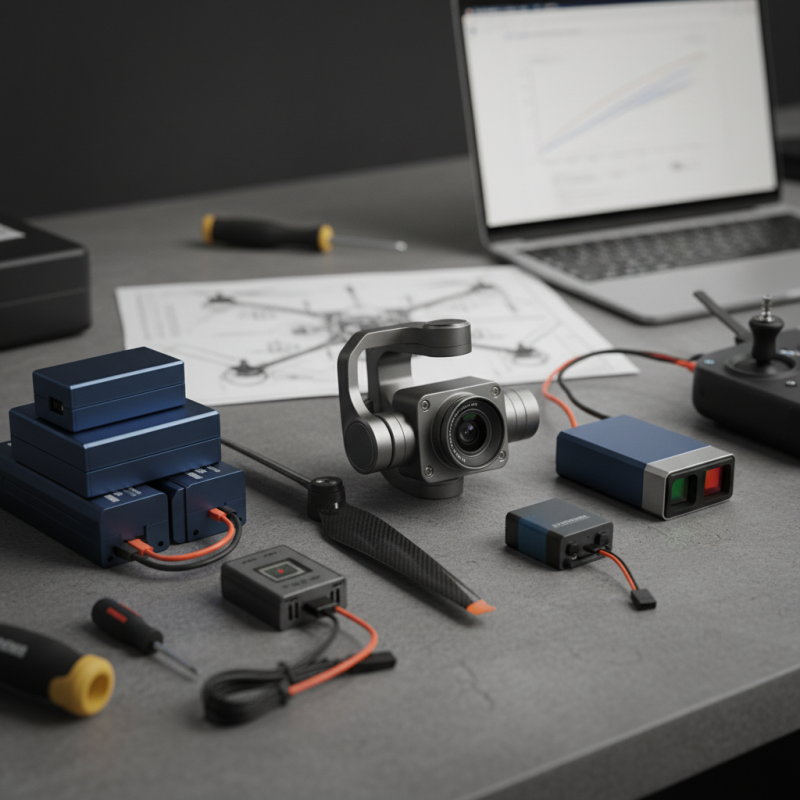
Choosing the right UAV accessories plays a crucial role in enhancing drone performance and mission success. According to a recent report by MarketsandMarkets, the global drone market is projected to reach $58 billion by 2026. UAV accessories, such as cameras, sensors, and batteries, are key growth drivers in this expanding industry. These components directly affect flight time, data accuracy, and operational safety.
Industry experts emphasize that not all UAV accessories offer the same quality or compatibility. For example, lower-quality batteries can reduce flight duration significantly. This presents a challenge: users must balance cost and reliability. Despite advancements, there is still no universal standard for accessory compatibility, which calls for careful evaluation before purchase.
Reflecting on user feedback and technical reviews reveals common pitfalls in selecting UAV accessories. Overbuying unnecessary gear can increase weight and reduce drone efficiency. Meanwhile, neglecting critical components can jeopardize data collection or flight stability. This complexity makes it essential to understand your specific UAV’s needs and operational environment.
Understanding Your UAV Requirements and Objectives
When selecting UAV accessories, it’s vital to understand your specific requirements and objectives. Different applications demand different specifications. For instance, a commercial drone used for agriculture may require thermal imaging capabilities. Meanwhile, a drone for mapping would benefit from high-resolution cameras. According to the Drone Industry Insights report, the global drone market is projected to reach $41.3 billion by 2026. This growth underscores the importance of tailor-fitting your accessories to your unique needs.
Consider the environment in which your UAV will operate. Are you flying in urban areas with tight spaces or over vast agricultural fields? This factor influences the choice of accessories like propeller guards or extended battery packs. The European Union Aviation Safety Agency reported that nearly 70% of drone operators prioritize enhanced safety features. These insights indicate that safety should be at the forefront of accessory selection.
Lastly, evaluate your long-term objectives. Will your UAV usage scale up? Opt for accessories that offer upgrade options. Flexibility in accessory choice can save costs in the future, but it may initially require more research. Engaging in community forums can bring valuable insights. Remember, there is no one-size-fits-all solution in the UAV landscape. Each choice reflects your specific mission parameters and personal growth in the field.
Exploring Essential UAV Accessories for Different Applications
When selecting UAV accessories, consider the specific application you have in mind. Different tasks require different tools to maximize efficiency. For aerial photography, a high-quality gimbal can stabilize your camera. This ensures smooth shots even in turbulent conditions. A filter set helps enhance colors and reduce glare, adding depth to your images.
For surveying and mapping, accuracy is crucial. Invest in ground control points (GCPs) to enhance your data accuracy. A rugged case for your equipment adds durability during transport. It protects sensitive tech from harsh conditions, which can be beneficial in remote locations.
Lastly, think about battery life. Extra batteries might seem unnecessary, but they can be a game-changer on long missions. Time spent charging means lost opportunities. Reflect on your workflow. Could extra propellers save your flight? Small, often overlooked accessories can significantly impact overall performance. Each detail plays a role in achieving your goals.
Evaluating Compatibility and Specifications of Accessories
Choosing the right UAV accessories can greatly enhance your drone experience. To ensure compatibility, you must check the specifications carefully. Different UAVs have unique requirements. An accessory that fits one model may not work with another. Therefore, always consult the user manual.
Understanding the specifications is vital. Look at weight limits and battery requirements. Accessories often have recommended ranges. For instance, a gimbal needs to be compatible with your drone's payload capacity. Additionally, compatibility with software is essential. Some accessories may require specific updates or applications.
An important factor is the build quality of the accessory. A poorly made part can affect overall performance. It’s wise to read reviews and seek expert opinions. Sometimes, user feedback uncovers issues that technical specs don’t reveal. Reflect on your needs. Are you a casual flyer or a professional? Your usage determines the best accessories for your unique situation.
Comparing Quality and Brands of UAV Accessories
When selecting UAV accessories, brand reputation matters. Quality controls consistency in performance and longevity. Some brands may promise great features but fail in execution. Always investigate user reviews. They provide real insights from experienced users. This helps in identifying reliable products.
Tips: Look for accessories with warranties. A good warranty indicates confidence in quality.
Consider material quality. Lightweight materials enhance flight efficiency. However, they should not compromise durability. Striking a balance is key. Researching various brands is essential. Some smaller companies may offer innovative solutions but lack widespread recognition.
Tips: Test products in controlled environments. This allows users to evaluate performance. It's a safe way to learn about the product’s limitations and strengths.
Lastly, keep an eye on industry trends. New features continually emerge, impacting how accessories perform. Adaptation is crucial in this fast-paced market. Stay informed for optimal choices that suit your needs.
How to Choose the Best UAV Accessories for Your Needs?
| Accessory Type | Quality Rating (1-5) | Price Range | Compatibility | User Reviews |
| Battery | 4 | $50 - $150 | Most UAV models | Very Positive |
| Camera | 5 | $200 - $500 | Compatible with specific UAVs | Excellent |
| Propellers | 4 | $10 - $30 | Most UAVs | Good |
| Gimbals | 5 | $100 - $300 | Most camera-equipped UAVs | Highly Rated |
| Carrying Case | 4 | $30 - $100 | Universal fit for many UAVs | Positive |
Budgeting for UAV Accessories: Cost-Effective Options and Considerations
Budgeting for UAV accessories requires careful planning. The UAV market is projected to grow by 14.2% annually from 2022 to 2030. This growth means more options for accessories, but also increased costs. Pilots need to assess their needs before making purchases. This ensures they buy only what adds value to their operations.
Consider the total cost of ownership when budgeting. Beyond the initial purchase price, think about maintenance, batteries, and software updates. A report by the Federal Aviation Administration (FAA) suggests that operational costs can rise by over 30% if pilots overlook these factors. It's essential to have a clear understanding of the functionalities you require. This helps in avoiding unnecessary expenditures on features that may never be used.
Moreover, many UAV pilots underestimate the costs associated with high-quality accessories. Investing in durable components can save money in the long run. Quality accessories often come with warranties, reducing replacement costs over time. However, good deals do exist. Researching can help you find reliable options without overspending. Balancing cost with reliability is key for long-term success.