How to Choose the Best Stainless Steel Keel for Your Boat?
Choosing the right stainless steel keel for your boat can be a daunting task. With various options available, it's essential to understand the features that truly matter. Renowned marine expert John H. Carter emphasizes, “A well-chosen stainless steel keel ensures both stability and longevity.” This highlights the significance of making an informed decision.
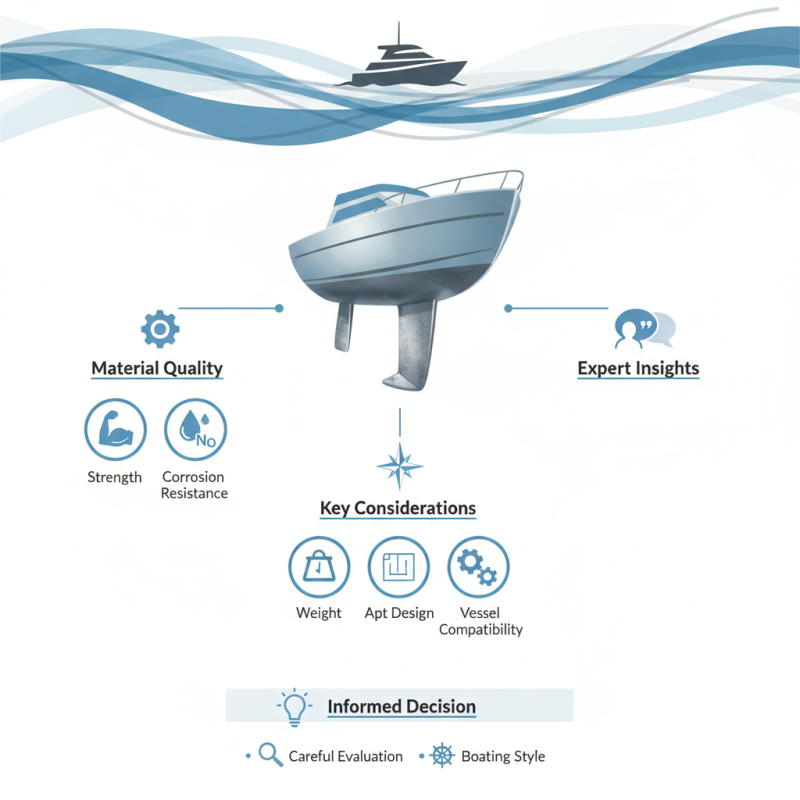
A stainless steel keel is more than just a component; it impacts your boat's overall performance. The quality of the material influences its strength and resistance to corrosion. You might think all stainless steels are alike, but variations exist. Some grades offer superior strength, while others excel in corrosion resistance.
When selecting a stainless steel keel, consider factors like weight, design, and compatibility with your vessel. Discuss your needs with professionals, but be wary of sales pitches that overlook critical details. Reflect on your boating style, as an unsuitable keel can lead to performance issues. The right choice may not be obvious; careful evaluation is key.
Factors to Consider When Selecting a Stainless Steel Keel
When selecting a stainless steel keel for your boat, several factors are crucial. Material quality is paramount. High-grade stainless steel, like 316 stainless steel, resists corrosion from saltwater and harsh weather. According to the Marine Industry Association, boats with durable keels last 25% longer in saltwater environments.
Weight distribution plays a significant role too. A well-placed keel enhances the boat's stability and performance. A keel that’s too heavy can slow your boat down. Alternatively, one that is too light may jeopardize balance. Many builders suggest a weight ratio of 10-15% of the boat's total weight for optimal performance.
Consider the design and construction method as well. Welded keels often provide a stronger bond than bolted ones. However, welding requires skilled craftsmanship. Poorly welded keels can lead to failures. Aesthetic appeal might be important, but function should always come first. Each decision impacts safety and performance at sea.
Types of Stainless Steel Used in Keel Construction
When selecting a stainless steel keel for your boat, understanding the types of stainless steel used in its construction is crucial. Various grades of stainless steel offer different properties. For instance, marine-grade stainless steel, often 316 grade, is popular due to its resistance to corrosion. It can withstand harsh saltwater environments. However, it may be more expensive than other options.
Another type is 304 stainless steel, which is more common and less costly. It can be suitable for freshwater applications but lacks the durability of 316 in marine conditions. This can lead to issues over time. Many boaters overlook this detail, believing that all stainless steel is equal. The trade-offs may not be apparent immediately but can significantly affect the keel's longevity.
In addition, it’s essential to consider factors like thickness and fabrication methods. Thicker keels typically provide more strength, but they can add weight, impacting performance. Some manufacturers may skimp on material quality to cut costs. Fishing around for the right keel requires diligence. Making the right choice will enhance your boat’s performance and safety on the water.
Evaluating the Strength and Durability of Stainless Steel Keels
When selecting a stainless steel keel, strength and durability are critical factors. Stainless steel is known for its corrosion resistance, making it ideal for maritime environments. However, not all stainless steels are created equal. There are various grades, and the right choice can significantly impact your boat's performance.
Consider the manufacturing process. A well-constructed keel should withstand both stress and fatigue over time. Look for keels that have undergone proper heat treatment. This process enhances the metal's structural integrity. Cheaper options may skip this step, leading to potential failures.
**Tips:** Assess the corrosion resistance of the stainless steel. The higher the nickel content, the better the protection against rust. Always check the keel’s thickness. Thicker materials might add weight, but they often result in improved durability.
Remember, while shiny aesthetics can be appealing, functionality is paramount. Sometimes, choosing a more affordable option may lead to regrets later. Investing wisely now can save trouble down the line. Regular inspection of your keel is also vital. Spotting issues early can prevent more significant repairs.
Cost Comparison of Different Stainless Steel Keels
When considering a stainless steel keel for your boat, cost is a critical factor. Basic models can start at around $500, while high-performance options may exceed $2,500. A report from the Marine Industry Association indicates that around 30% of boaters prioritize price over performance when selecting a keel. This can lead to unwise purchases that may compromise safety and longevity.
Tip: Always compare prices from multiple suppliers. Some may charge significantly more for similar quality. You can save up to 15% by exploring various dealerships.
It's worth noting that the material and design influence the price considerably. A single-piece design generally costs more but offers better durability. However, buyers often overlook this aspect, opting for cheaper, multi-piece kits that may require more maintenance. Studies show that up to
40% of boaters regret their decision after experiencing performance issues.
Tip: Assess your boating needs before making a decision. A lower initial cost may not be worth the long-term inefficiencies. Look at the total cost of ownership rather than just the purchase price. Aim for a balance between cost and quality to ensure a safe and enjoyable boating experience.
Maintenance Tips for Stainless Steel Keels on Boats
Maintaining a stainless steel keel requires attention to detail. Regular inspections can prevent major issues. Look for signs of corrosion or wear. Even minor scratches can lead to bigger problems if left unchecked. Use a soft cloth to clean the surface. Abrasives can cause more damage than good.
Moisture can be a silent enemy. Ensure proper drainage in the keel area. Standing water promotes rust. Inspect seals and joints frequently. These spots often hide issues that need prompt care. A periodic application of a protective coating can help delay corrosion and extend the life of the keel.
Sometimes, despite our best efforts, issues arise. You might find unexpected blemishes or deterioration. It’s essential to address these without delay. Make notes of what you find during inspections. This will help track recurring problems. Learning from previous experiences can improve maintenance practices over time.
How to Choose the Best Stainless Steel Keel for Your Boat? - Maintenance Tips for Stainless Steel Keels on Boats
| Aspect | Description | Maintenance Tips |
| Material Quality | Look for high-grade stainless steel such as 316 for corrosion resistance. | Regularly check for signs of corrosion and address any issues immediately. |
| Keel Design | Evaluate different designs based on your boat’s purpose and water type. | Ensure the keel is well-fitted and supported during maintenance checks. |
| Weight | Consider the weight of the keel for stability and performance. | Balance the load during sailing and ensure proper positioning of the keel. |
| Installation | Professional installation ensures safety and proper alignment. | Check bolts and fittings regularly for tightness and integrity. |
| Cleaning | Keep the keel clean to prevent barnacles and algae growth. | Use a vinegar solution or specialized cleaners for best results. |