How to Choose the Best Hotel Tent for Your Needs?
Choosing the right Hotel Tent is essential for a memorable outdoor experience. According to a recent industry report from the Outdoor Hospitality Association, the global hotel tent market is expected to grow by 15% annually through 2025. This growth reflects a rising trend towards glamping and outdoor hospitality options. Expert Mark Thompson, a noted figure in eco-tourism, emphasizes, "A quality hotel tent can elevate outdoor accommodation to new heights of comfort."
When selecting a hotel tent, consider factors like size, material, and weather resistance. The ideal hotel tent should provide comfort while being easy to set up and transport. However, not all hotel tents meet these criteria. Some budget options may lack durability or weatherproofing. This can lead to discomfort, especially in adverse conditions. It's crucial to find a balance between quality and cost. Exploring multiple sources and reading reviews can help you make an informed decision.
Ultimately, the best hotel tent fits your unique needs and preferences. Failure to consider these factors can result in a less than satisfactory camping experience. Invest time in research to ensure your choice aligns with your expectations. A well-chosen hotel tent can turn an ordinary trip into an extraordinary adventure.
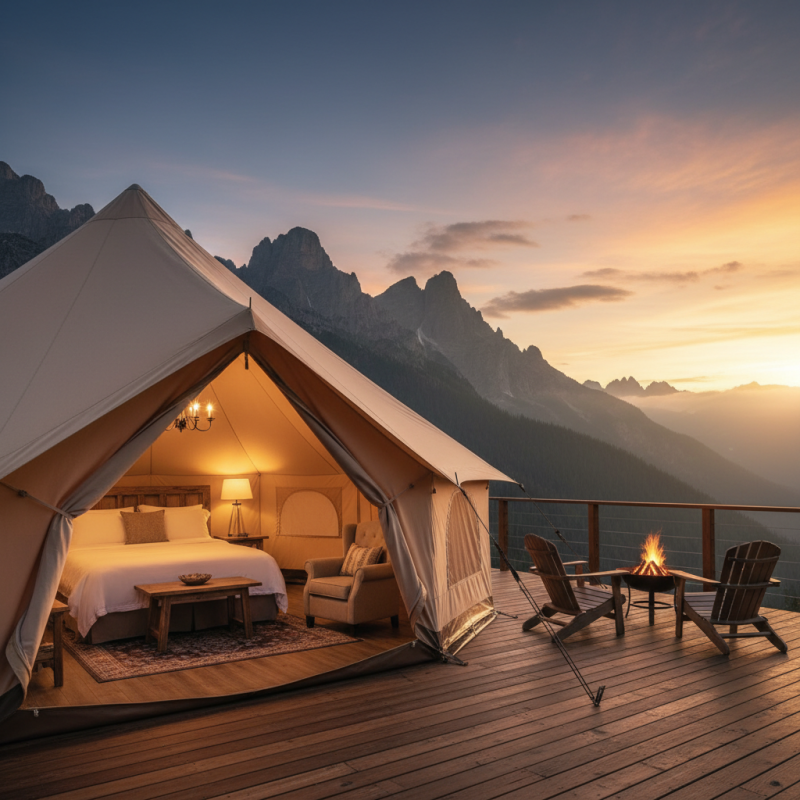
Understanding Different Types of Hotel Tents Available in the Market
When choosing a hotel tent, understanding the types available is crucial. There are several primary designs to consider. Traditional tents are popular for their classic structure. However, glamping tents, like yurts or safari tents, have risen to fame for a luxurious experience. According to a recent industry report, the glamping market is projected to reach $2.2 billion by 2026, reflecting growing demand for unique accommodations.
Tip: Consider the location when selecting a tent type. If you're in a colder region, ensure the tent has proper insulation. Conversely, for warmer climates, look for tents with breathable materials.
Canvas tents are also a solid option. They offer durability and are often more waterproof than nylon. Despite their weight, many outdoor enthusiasts prefer canvas for its ruggedness. Remember, though, every material has pros and cons. For instance, lightweight fabric tents are easier to transport but may lack durability.
Tip: Research customer feedback on various tent camps. Such insights can highlight potential weaknesses or design flaws that may not be immediately apparent. A quick online search can reveal hidden challenges that influence your choice.
Comparison of Different Types of Hotel Tents
Key Factors to Consider When Selecting a Hotel Tent
Choosing the right hotel tent is essential for a comfortable outdoor experience. There are several key factors to consider. The first is size. Ensure the tent can accommodate your group comfortably. Think about how much space you'll need for sleeping and storing gear. A cramped space can lead to discomfort, especially during extended stays.
Another important factor is weather resistance. A good hotel tent should withstand rain, wind, and sun. It must keep you dry in wet conditions while allowing for ventilation in warmer weather. Evaluating the materials used can provide insight into its durability and longevity.
Additionally, ease of setup is worth noting. A complex tent can turn a fun camping trip into a frustrating ordeal. Opt for designs that are user-friendly and intuitive. Take time to read reviews and gather experiences from others. Personal accounts can reveal aspects that specifications miss. Each of these considerations plays a role in ensuring a memorable outdoor adventure.
Evaluating Material Durability and Weather Resistance
When selecting a hotel tent, material durability and weather resistance are crucial. Industry reports indicate that tents made from ripstop nylon or polyester generally offer better durability. These materials withstand rough use and resist rips and tears effectively. Research shows that tents using a waterproof polyurethane coating can withstand up to 5000 mm of water pressure. This is significant for heavy rains or snow.
Another aspect to consider is UV protection. Tents with a UV-resistant coating can enhance lifespan and comfort. Some studies suggest that prolonged sun exposure can degrade materials, reducing their effectiveness. A tent that blocks at least 90% of UV rays provides added protection. Personal experience shows that even slight damage from UV can lead to significant issues later on.
Weight and packability matter too. Heavy materials may enhance durability, but they can also be cumbersome. Many users find themselves reflecting on their needs, weighing the trade-offs between portability and sturdiness. Prioritizing lightweight options may improve overall enjoyment. Always check the tent's specifications before making a choice.
How to Choose the Best Hotel Tent for Your Needs?
| Tent Type | Material | Durability (Years) | Weather Resistance | Weight (lbs) |
| Dome Tent | Polyester | 5 | Rain & Wind Resistant | 7 |
| Cabin Tent | Nylon | 7 | Waterproof & UV Resistant | 12 |
| Backpacking Tent | Ripstop Nylon | 4 | Light Rain Resistant | 4 |
| Shed Tent | Canvas | 10 | Moderate Wind & Heavy Rain | 30 |
Assessing Space and Comfort for Guest Accommodation
When selecting a hotel tent, assessing space and comfort is crucial. A report from the Outdoor Industry Association indicates that over 70% of campers prioritize comfort in their accommodations. To ensure guest satisfaction, consider factors like tent dimensions and layout. A standard hotel tent size typically ranges from 10x10 feet to 20x20 feet, accommodating various group sizes.
Comfort is not solely about space. Ventilation plays a vital role in creating a pleasant atmosphere. Many guests find stifling tents unpleasant. A tent with multiple entry points and mesh windows allows airflow, making a significant difference for warm-weather stays. However, heavier materials provide better insulation in cooler months, which sometimes leads to cramped conditions. Balancing thermal efficiency with space utilization can be a challenge.
Moreover, the arrangement of beds and common areas impacts customers' experience. Many tents lack sufficient space to move around. This can create a claustrophobic feeling, which is often overlooked during selection. Some industry experts recommend leaving at least two feet of space around beds for easy movement. Paying attention to these details will enhance guest comfort and lead to happier stays. Although aiming for perfection is key, it’s essential to reflect on potential shortcomings in space and comfort options as well.
Reviewing Budget Options and Value for Money in Hotel Tents
When searching for a hotel tent, budget considerations are crucial. Many options exist, but price doesn’t always reflect quality. It’s easy to fall into the trap of choosing the cheapest option, only to discover shortcomings later. Pay attention to materials and durability; they can make or break your experience.
Value for money should reflect overall comfort and amenities. A low-cost tent may lack essential features like proper ventilation or weather protection. Look for user reviews that highlight real-life experiences. Buying based on features alone can lead to disappointment. Sometimes, spending a little more can yield significant returns in comfort and sleep quality.
Consider your specific needs. How many people will the tent accommodate? Will you be camping in extreme weather? Analyze these factors before making a decision. Sometimes, the perfect tent isn’t the most expensive. Review options thoroughly to find what works best for you. Be ready to reassess your choices.