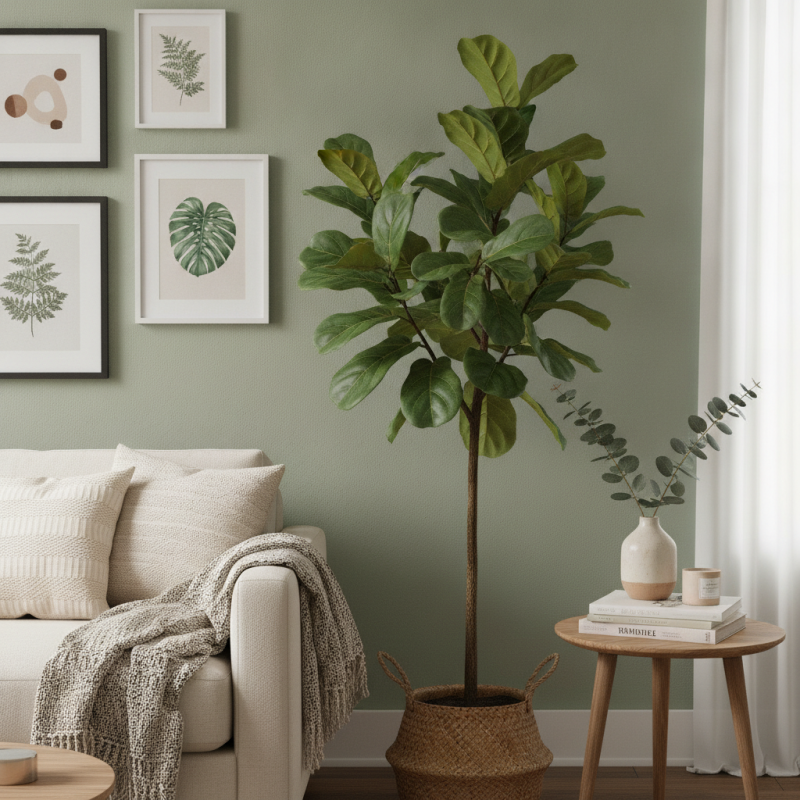
How to Choose the Best Fake Plant for Your Home Decor?
Choosing the right Fake Plant for your home decor can be challenging. Expert designer Sarah Livingstone emphasizes, “A fake plant can transform a space, but it needs to look real to be effective.” The right selection can enhance your environment without the need for maintenance.
Consider factors such as color, size, and material. Authenticity plays a crucial role. A poorly made fake plant can stick out and ruin the aesthetic. Examine the details; the texture of the leaves and overall design matter. It’s essential to find balance so your fake plant complements your existing decor.
While fake plants offer a hassle-free option, they should not lead to blandness. Each piece should spark joy and interest. Not every fake plant will fit your style or needs. Be prepared to experiment. Reflecting on your choices can lead to a more satisfying environment.
Factors to Consider When Choosing Fake Plants for Home Decor
When selecting fake plants for home decor, consider several factors to ensure a perfect fit. The material quality is crucial. Polyester and plastic are common, but they vary in realism and durability. A 2022 study found that 70% of consumers prefer synthetic plants that mimic real foliage closely. Harder-to-find materials like silk can enhance authenticity but may require a higher investment.
Size and scale matter too. Measure your space before purchasing. A small apartment may benefit from petite plants, while larger homes can accommodate bolder pieces. Additionally, color plays a role. Some fake plants are too vivid or unnatural, which can detract from a room's aesthetic. 62% of interior designers recommend choosing plants in muted tones for a cohesive look.
Light exposure is another consideration. Fake plants do not require sunlight, which is beneficial for darker spaces. Yet, they should complement the overall styling of the room. Many people overlook this aspect. Mixing different textures can create depth. Including smaller decorative items can also enhance visual interest. Finding that balance might take some trial and error.
Types of Materials Used in High-Quality Artificial Plants
Choosing the right materials for artificial plants can significantly enhance your home decor. High-quality fake plants often use materials like high-density polyethylene (HDPE) and silk. These materials offer durability and a more realistic appearance, mimicking the texture of real leaves. According to a recent report, around 70% of consumers prefer faux plants made from these resources for their vibrant colors and longevity.
Silk plants, while elegant, can sometimes be susceptible to fading. HDPE offers UV resistance and is typically more cost-effective, making it ideal for indoor and outdoor settings. A study noted that artificial plants using these materials retain color and shape for up to five years with proper care. However, some users report issues with texture, as not all silk options feel realistic.
In contrast, some lower-quality alternatives use plastic that can appear shiny and unnatural. These can diminish the aesthetic of your space. Exploring different textures is essential. A mix of materials may provide a more balanced and visually appealing home decor, yet achieving this balance requires careful selection and a keen eye for detail.
How to Choose the Best Fake Plant for Your Home Decor?
| Type of Plant | Material Used | Lifespan | Realism Rating | Maintenance |
| Faux Succulent | Plastic, Resin | Indefinite | 8/10 | Low |
| Artificial Fern | Silk, Polyester | 3-5 years | 9/10 | Medium |
| Fake Orchid | Fabric, Plastic | 5+ years | 10/10 | Low |
| Synthetic Trees | Plastic, PVC | 10+ years | 7/10 | High |
| Potted Grass | Plastic, Fiber | Indefinite | 8/10 | Low |
Impact of Fake Plants on Indoor Air Quality and Health
Fake plants are increasingly common in home decor. They add aesthetic appeal and require little maintenance. However, the impact of fake plants on indoor air quality and health deserves attention. Unlike live plants, fake ones do not absorb carbon dioxide or release oxygen. This means they do not contribute positively to air quality.
Research shows that some synthetic materials can off-gas volatile organic compounds (VOCs), which can impair indoor air quality. A study published in "Environmental Science & Technology" found that certain artificial plants can release harmful chemicals into the air. Moreover, inhaling these VOCs can lead to headaches, eye irritation, and respiratory issues. It's essential to choose high-quality materials that minimize VOC emissions. This detail is often overlooked.
Integrating fake plants requires balance. While they enhance decor, being mindful of material choices can ensure a healthier indoor environment. Consider opting for faux plants made from materials known for lower emissions. Some options might still release some compounds but at safer levels. Reflecting on these aspects can lead to a more thoughtful selection process. Balance aesthetic appeal with health considerations.
Trends in Fake Plant Designs and Their Aesthetic Appeal
When considering fake plants for home decor, design trends play a crucial role in their appeal. Among current trends, minimalist designs have gained popularity, emphasizing clean lines and simplicity. These plants often mimic succulents or ferns, creating a subtle yet striking look. They effortlessly blend into modern interiors, adding a touch of nature without overwhelming the space.
Textured faux foliage has also emerged, with designs that feature vibrant colors and intricate details. These plants can bring a unique charm to any room. Varieties that resemble tropical plants are dominating the market, evoking a sense of exoticism. However, there's a balance to strike; too many bold designs can clutter a space.
While fake plants offer convenience and longevity, they can lack the organic feel of real greenery. This can sometimes lead to a sterile ambiance. Consider integrating a mix of real and artificial options to enhance authenticity. Fake plants can tie together aesthetic elements, but they might not always evoke the warmth one seeks in home decor. Reflecting on this may guide your choice toward plants that align more closely with your style.
Cost Comparisons: Natural vs. Artificial Plants in Home Decor
When deciding between natural and artificial plants for home decor, cost plays a significant role. A recent report by the American Society of Landscape Architects indicates that artificial plants can be surprisingly cost-effective. Depending on the type, natural plants may require ongoing care, including watering and repotting, costing around $5 to $50 per month. In contrast, artificial plants typically incur a one-time purchase cost, averaging between $20 and $150, which can save money in the long run.
While natural plants can enhance indoor air quality and provide a sense of tranquility, they also come with upkeep challenges. They need sunlight, water, and sometimes specific soil types. In contrast, artificial plants suit various environments without the need for maintenance. However, their lack of real foliage can feel less authentic. Balancing aesthetics and longevity is essential.
Tip: When selecting artificial plants, consider materials like silk or plastic that mimic real leaves. Choose plants that fit your decor style for a cohesive look. Additionally, strategize placement to enhance natural light, creating a more vibrant atmosphere. Select varieties that are appropriate for your setting, whether it’s a bright room or a dim corner.