How to Choose the Best Clad Wood Windows for Your Home?
Choosing the best Clad Wood Windows for your home is a significant decision. These windows combine the beauty of wood with the durability of modern materials. Expert Paul Anderson, a renowned architect specializing in sustainable building designs, once said, "Clad Wood Windows offer the perfect balance of aesthetics and performance."
When considering Clad Wood Windows, think about your local climate and home style. These windows can enhance your home’s curb appeal while providing essential insulation. However, not all options are created equal. You must weigh factors such as maintenance and cost. Selecting the wrong type could lead to unexpected issues down the line, like peeling or warping.
Understanding the nuances of Clad Wood Windows is critical. Do you prioritize energy efficiency or visual appeal? Take time to research various brands and materials. Listen to feedback from homeowners and industry professionals alike. An informed choice will serve your home well over the years.
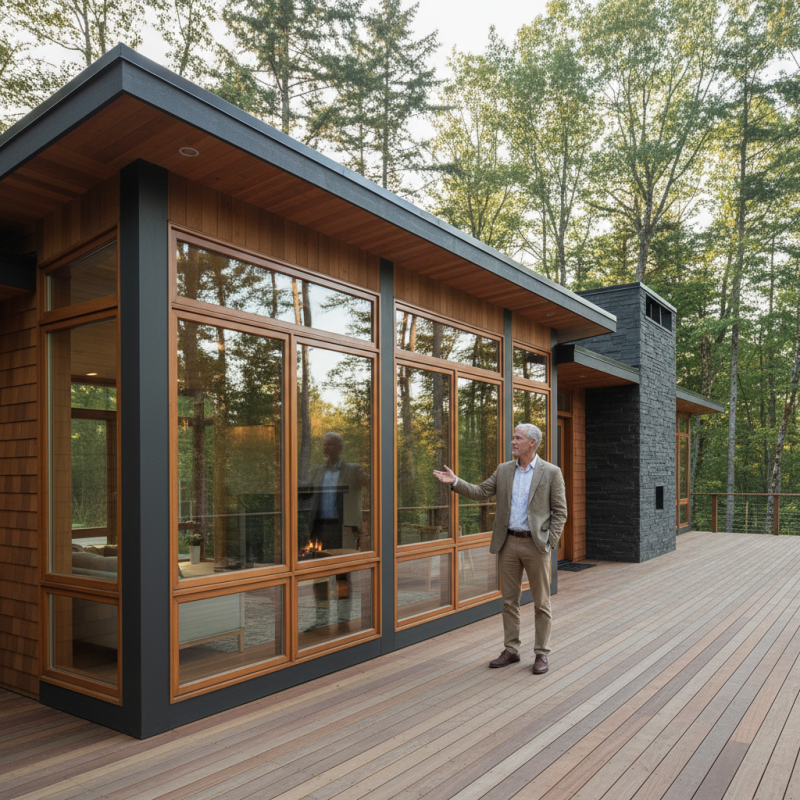
Understanding Clad Wood Windows: Overview and Benefits
Clad wood windows combine the natural beauty of wood with protective exteriors, often made of aluminum or vinyl. This design offers numerous benefits for homeowners. According to industry reports, clad wood windows can enhance energy efficiency. They have a U-factor as low as 0.20, making them great insulators. This means reduced heating and cooling costs.
Another advantage is their durability. Unlike traditional wood windows, clad options resist rot and weather damage. In fact, a survey indicated that homeowners see a lifespan of up to 30 years with proper maintenance. This balance of aesthetics and longevity makes clad wood windows an attractive choice.
Tip: When selecting clad wood windows, consider your local climate. If you live in a harsh weather area, opt for a high-performance exterior.
While clad wood windows are appealing, they can be pricier than standard options. Some homeowners report feeling overwhelmed by the initial investment. However, weighing the long-term savings against one-time costs can provide clarity. Seek advice from professionals to better understand your specific needs and budget.
Key Factors to Consider When Choosing Clad Wood Windows
When selecting clad wood windows, several key factors warrant consideration. First, assess the material quality. A durable exterior protects the natural wood from elements while maintaining structural integrity. According to the American Architectural Manufacturers Association, high-performance clad windows can improve energy efficiency by up to 30%. It's crucial to select windows with good thermal insulation properties.
Visual appeal also plays a role. Aesthetic choices in colors and finishes should complement your home's design. Look for options that align with your style without compromising durability. Remember, trends change. Choosing timeless designs may be a wiser long-term investment.
Tip: Always prioritize energy ratings when choosing windows. Look for those with Energy Star certification. It signifies quality and efficiency, potentially reducing heating and cooling costs.
Another factor is maintenance. Clad wood windows generally require less upkeep than traditional wood windows. However, understanding the care necessary for both the wood and the exterior is essential. Regular inspections can prevent long-term damage.
Tip: Consider the climate of your area. Windows should withstand local weather conditions while retaining their appeal and function. Selecting the right product now can save you from future regrets.
How to Choose the Best Clad Wood Windows for Your Home? - Key Factors to Consider When Choosing Clad Wood Windows
| Factor | Description | Importance Level |
| Material Quality | Evaluate the quality of wood and the type of cladding materials used for durability and longevity. | High |
| Energy Efficiency | Check the thermal performance ratings to ensure good insulation and energy savings. | High |
| Aesthetic Appeal | Consider the design, color options, and how they match your home’s style. | Medium |
| Maintenance Requirements | Assess the upkeep needed for both wood and cladding material for long-term performance. | Medium |
| Cost | Review budget considerations and long-term value versus initial investment. | High |
| Warranty & Service | Look for warranty coverage and available customer service for satisfaction and support. | Medium |
Comparing Different Types of Cladding Materials
When selecting clad wood windows, understanding the various cladding materials is essential. Each type offers unique benefits and drawbacks. Vinyl cladding, for instance, is budget-friendly and low-maintenance. It resists moisture well but can fade in bright sunlight.
Aluminum, on the other hand, is durable and resistant to the elements but may not provide the best insulation.
Wood cladding brings warmth and aesthetic appeal. It can also be painted or stained, allowing for versatility in design. However, wood requires more maintenance to prevent rot and warping. Fiber cement cladding stands out for its fire resistance and durability but can be heavier and more costly during installation. Selecting the right material comes down to your home’s specific needs and local climate considerations.
Consider long-term effects when choosing. While some materials may seem cost-effective upfront, their longevity can impact overall investment. Reflect on the maintenance level you are willing to commit to over years. Each option has potential shortcomings, making personal priorities crucial in the decision-making process. Embrace the process; careful thought leads to the best fit for your home.
Assessing Energy Efficiency and Performance Ratings
When selecting clad wood windows, energy efficiency is paramount. According to the Department of Energy, windows can account for up to 30% of a home’s energy loss. Evaluating performance ratings is essential. Look for the Energy Star label, which indicates high efficiency. Windows with a low U-factor (0.20-0.25) provided better insulation. A higher R-value also reflects superior thermal resistance.
Understanding different ratings helps homeowners make informed choices. The National Fenestration Rating Council (NFRC) provides key performance data. Visually compare the Solar Heat Gain Coefficient (SHGC) and Visible Transmittance (VT) ratings. Lower SHGC values mean less heat enters your home from sunlight. Ideal windows balance light and temperature control.
Tips for selecting clad wood windows: Choose triple-glazed options for better insulation. Ensure frames are durable and moisture-resistant. Consider local climate when selecting performance ratings. Reflect on how much sun your home receives. The perfect window for one house might not suit another. Regular evaluations can help adjust choices based on changing needs.
Installation and Maintenance Tips for Clad Wood Windows
Choosing clad wood windows means ensuring long-term durability and aesthetics. Proper installation is crucial. You need to align windows accurately for optimal sealing. Improper alignment can lead to drafts. Ensure the frame is level. If it's not, adjust before securing it in place.
Maintenance is equally important to enhance longevity. Regularly inspect weather stripping for wear. Replace any damaged strips immediately to prevent air leaks. Clean the exterior with mild soap and water. Avoid harsh chemicals that can damage the finish. Remember, neglecting small issues can lead to bigger problems later.
Here are some quick tips:
- Check seals often.
- Don’t ignore condensation.
- Schedule annual inspections for wear.
Being proactive can save you from costly repairs. Proper care allows you to enjoy the beauty of clad wood windows for years.