Top Tips for Choosing the Right Switch Relay Modules?
Choosing the right switch relay modules can significantly impact your electronic systems' reliability and performance. According to a report by MarketsandMarkets, the global relay market is projected to reach $12.07 billion by 2025, indicating a growing demand for efficient switching solutions. The right modules can improve control in automation and industrial applications, making this choice critical for engineers and technicians alike.
Expert John Smith, a respected figure in the field of automation technology, states, "Selecting the appropriate switch relay module is not just about specifications; it’s about understanding application needs." This insight underscores the necessity of matching product features with specific project requirements. With numerous options available, evaluating the performance, durability, and compatibility of each module is essential.
Diving into the selection process reveals complexities. Too often, decisions are swayed by brand reputation rather than actual product capability. Evaluating parameters like switching capacity, thermal stability, and installation convenience becomes crucial. Many professionals overlook these factors and later face challenges in deployment. Therefore, it's vital to approach the process with a discerning eye.
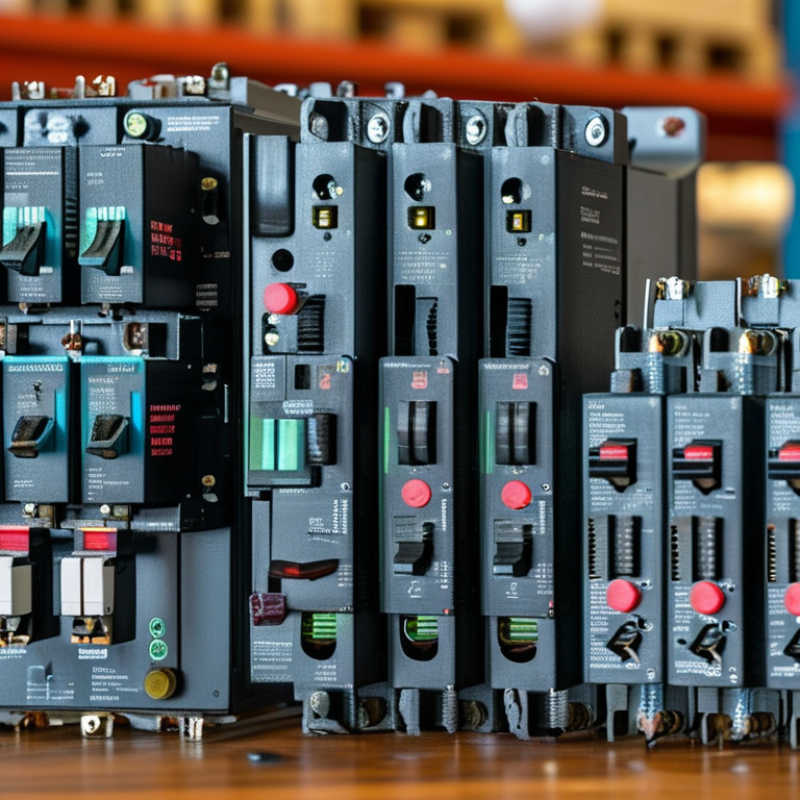
Understanding Switch Relay Modules: Definition and Purpose
Switch relay modules are essential components in automation and control systems. They enable the safe switching of high-voltage devices using low-voltage control signals. Understanding their definition and purpose is critical for effective application in various settings, from home automation to industrial systems.
A switch relay module essentially acts as an intermediary. It allows low-power circuits to control high-power devices safely. According to a report by Research and Markets, the global market for relay modules is expected to grow significantly, reaching USD 6.2 billion by 2025. This growth highlights the increasing reliance on automation across industries. However, the reliability of these modules can depend on various factors such as design, materials, and environmental conditions.
Selecting the right module requires consideration of several aspects. For example, the voltage and current rating of the relay should match the application requirements. Compatibility with control sources is also crucial. A poorly chosen module might lead to operational failures. Industry data shows that nearly 30% of electrical failures in control systems stem from improper relay selection. This highlights the importance of having a thorough understanding of specifications and application needs before making a purchase.
Key Factors to Consider When Selecting Switch Relay Modules
When selecting switch relay modules, it's essential to focus on several key factors. Voltage ratings are paramount. Ensure the relay can handle your application's requirements. A mismatch can lead to failure or damage. Look for clear specifications regarding AC and DC operations. This is often overlooked but crucial for safe functionality.
Another factor to consider is the number of channels. A single relay may suffice for simple tasks, while multiple channels can manage various operations. Assess your needs carefully. Will your project expand? Choose modules with room for growth. Also, examine the physical size of the modules. Limited space may constrain your choices. Compact options can help in tight installations.
Reliability is non-negotiable. Check for heat resistance and build quality. Cheap materials may cause long-term issues. Research user reviews and technical feedback. Sometimes, the most popular options aren’t the best. Take time to analyze alternatives. Doing so can uncover hidden advantages. Consider potential maintenance and troubleshooting as well, as these aspects can impact your project's overall success.
Types of Switch Relay Modules and Their Applications
When selecting switch relay modules, understanding their types is crucial for successful application. Relay modules can generally be classified as electromechanical or solid-state. Electromechanical relays use a physical switch to control circuits. They are suitable for high-power applications but can wear out over time. Solid-state relay modules, on the other hand, leverage semiconductor technology to switch circuits without moving parts. They excel in longevity and speed, often used in automation and control applications.
Consider your specific requirements when choosing a type. For example, if you need to control high-voltage equipment, electromechanical relays can provide reliable operation. However, if you require quick switching with minimal noise and heat generation, solid-state options may be more suitable. It's essential to weigh the pros and cons carefully. Some users report unexpected failures with relay modules that do not fit their specific needs, highlighting the importance of diligent choice.
Additionally, applications vary widely. Home automation systems often rely on relay modules for controlling lighting and appliances. Industrial settings may require heavier-duty options for machinery control. Understanding these applications helps in making informed decisions. Balancing between performance and reliability is key. Seeking advice from experts in the field can enhance your selection process and ensure the right fit for your projects.
Top Tips for Choosing the Right Switch Relay Modules
| Module Type | Number of Channels | Relay Rating | Control Voltage | Applications |
| Single Relay Module | 1 | 10A/250V AC | 5V, 12V | Home Automation, Lighting Control |
| 4-Channel Relay Module | 4 | 10A/250V AC | 5V, 12V | Industrial Automation, Security Systems |
| 8-Channel Relay Module | 8 | 10A/250V AC | 5V, 12V, 24V | Robotics, Automation Control |
| 16-Channel Relay Module | 16 | 10A/250V AC | 5V, 12V | Smart Home Systems, HVAC Control |
Compatibility and Integration with Existing Systems
When selecting switch relay modules, compatibility and integration with existing systems are crucial factors. Different systems may use various protocols and voltage levels. Understanding these specifics is essential for seamless integration. For example, a relay designed for a low-voltage system may not function correctly in a high-voltage setup. This mismatch can lead to operational failures and even damaging equipment.
Consideration of existing hardware is vital. Ensure that the switch relay modules can communicate effectively with your current devices. Many systems require unique interfaces or adapters to bridge the gaps between technologies. Overlooking these requirements can complicate the installation process. Sometimes, users may assume that all modules will fit into their systems. This assumption often leads to delays and additional costs.
Testing and validation cannot be ignored either. Before fully integrating a relay module, pilots or small-scale tests are advisable. These trials help identify compatibility issues early. Users may find unexpected challenges, such as interference or inadequate power supply. Reflecting on these test results allows for adjustments before full deployment. Being proactive in this phase enhances reliability and functionality within an existing system.
Safety and Performance Standards for Switch Relay Modules
Safety and performance standards are crucial when selecting switch relay modules. These modules serve as the backbone of many electrical circuits. A failure in the relay can result in disastrous consequences, including equipment damage and safety hazards. According to industry data, about 30% of electrical failures in industrial settings are due to improper relay selection or design. Ensuring your relay meets relevant safety standards will minimize these risks.
When assessing switch relay modules, consider certifications like UL, CE, and RoHS. These labels indicate that the product adheres to established safety and environmental guidelines. For instance, UL certification ensures that the relay has undergone rigorous testing. A recent report by the International Electrotechnical Commission (IEC) revealed that products without proper certifications face a failure rate up to 25% higher compared to their certified counterparts. This statistic highlights the importance of verifying safety compliance.
In addition to certifications, the module's performance characteristics also matter. Pay attention to switching capacity, response time, and thermal management. Poorly designed modules can lead to overheating and premature failure. A study from IEEE indicates that relay modules not optimized for thermal management may have a lifespan reduced by up to 50%. Always remember that safety and performance must go hand in hand when selecting switch relay modules.