
How to Choose Maple Engineered Flooring in 2026?

Choosing Maple Engineered Flooring in 2026 requires more than comparing colors, plank widths, and showroom prices. Buyers now examine construction quality, moisture behavior, repairability, and verified sourcing. Market outlooks from Grand View Research and Fortune Business Insights indicate continued growth in engineered wood flooring through the decade. Their forecasts differ, however. That difference deserves attention.

The USDA Forest Products Laboratory’s Wood Handbook lists hard maple at approximately 705 kilograms per cubic meter at 12% moisture content. That density explains its crisp grain, firm walking surface, and resistance to everyday dents. It does not guarantee perfect performance. Installation conditions still matter greatly. NWFA guidance recommends checking subfloor moisture, indoor humidity, and flooring moisture before installation.

Brett Miller, vice president of technical standards, training, and certification at the National Wood Flooring Association, states, “Wood is hygroscopic; it gains and loses moisture as the environment changes.” That principle should guide every Maple Engineered Flooring decision. A stable plywood core can reduce movement, but it cannot defeat a damp basement or uncontrolled heating system.

Look closely.

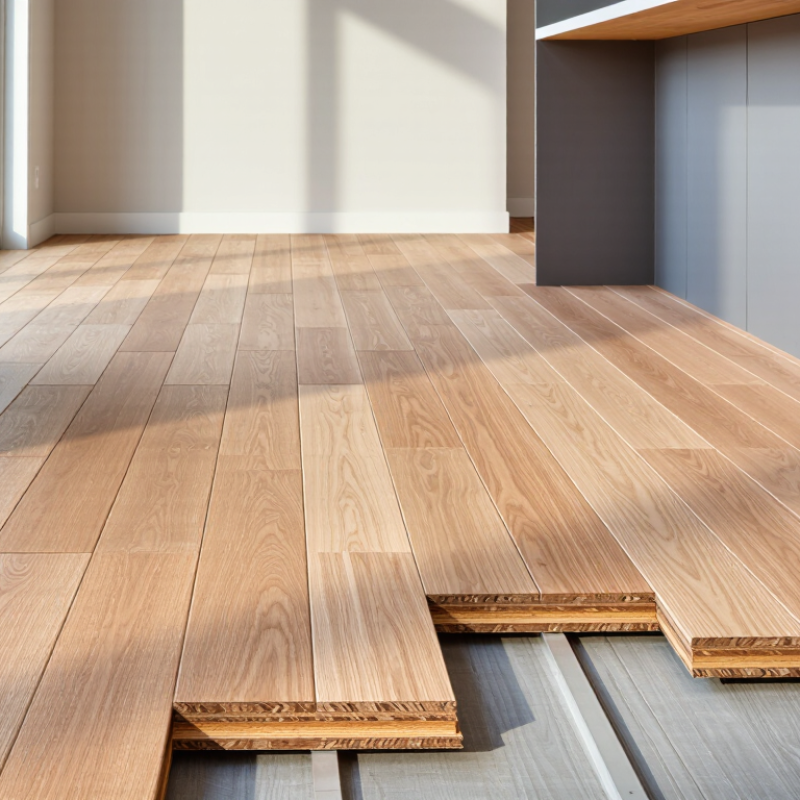
This article will compare wear-layer thickness, core construction, finish systems, grading, plank dimensions, and responsible sourcing. It will also examine real installation details, such as expansion gaps beside a sunlit glass wall and moisture readings near a kitchen island. Some recommendations may feel less convenient. Wider planks can reveal seasonal gaps more clearly. A thicker wear layer may increase cost without improving every room. The best choice is not always the most expensive one. It is the floor that matches the building, climate, maintenance habits, and honest expectations.
How to Choose Maple Engineered Flooring in 2026?

Understand Maple Engineered Flooring Construction and Core Benefits

Maple engineered flooring is built from a real maple wear layer bonded to a layered core. The surface provides maple’s pale color, fine grain, and firm feel underfoot. Beneath it, plywood or high-density wood layers run in alternating directions. This cross-layer structure reduces movement when indoor humidity changes.

Construction matters more than a glossy sample suggests. A thicker maple layer can allow limited future refinishing, while a thin layer usually suits lighter residential wear. Ask about the core’s density, adhesive quality, and tongue-and-groove precision. These details affect stability, joint appearance, and installation noise. It is not waterproof. Spills still need quick attention.

Before installation, store the cartons flat in the room and follow the stated acclimation period. Wood can expand near a bright window or contract beside a heating vent. A stable subfloor is equally important. I have seen attractive flooring fail because installers ignored minor moisture readings. That mistake is easy to repeat. Check the subfloor, room humidity, and installation method before choosing a finish. Matte surfaces often hide small marks better, but they may show uneven sanding more clearly. Choose carefully.

Assess Room Conditions, Moisture Levels, and Subfloor Requirements

Maple engineered flooring performs best when room conditions are checked before installation. The National Wood Flooring Association (NWFA) recommends keeping indoor relative humidity near 30–50%. Sudden changes can still create gaps or edge swelling. Maple is dense, so seasonal movement may appear less forgiving than expected. Check the room with a hygrometer for several days, not just once.

Moisture testing matters more than a clean-looking floor. The NWFA Installation Guidelines recommend comparing flooring and wood-subfloor moisture readings before work begins. Many installers seek readings within about 2–4 percentage points, depending on board width and project conditions. For concrete, ASTM F2170 testing measures internal relative humidity. A common project limit is 75% RH, but the flooring instructions may require less. The subfloor should also be flat, dry, and structurally sound. Uneven areas can produce hollow sounds beneath maple planks. A moisture meter is useful, but it is not magic. Poor calibration can create false confidence.

Tips: Test near plumbing walls, exterior doors, and concrete edges. Leave the flooring in the room until moisture readings stabilize. Check crawl spaces for standing water or weak ventilation. For radiant heat, record surface temperatures and follow the system’s limits. I would not skip a second test after delivery; timing errors are easy, and they can become expensive repairs. EPA moisture-control guidance also stresses drainage, ventilation, and fast leak correction. These details often matter more than choosing a thicker wear layer.

How to Choose Maple Engineered Flooring in 2026?

Assess room conditions, moisture levels, and subfloor requirements before installation.

A stable indoor relative humidity of about 30–50% is commonly recommended for wood flooring environments. Wood subfloors are often near 6–9% moisture content, while concrete subfloors are commonly evaluated using in-situ relative humidity testing, with many installation systems requiring readings at or below 75% RH. Always verify the flooring and adhesive instructions because acceptable limits vary by product and site conditions.

Compare Maple Grades, Finishes, Plank Sizes, and Surface Textures

How to Choose Maple Engineered Flooring in 2026?

Maple grades change the room’s character. Clear grade offers a calm appearance with fewer knots and color shifts. Select grade adds gentle mineral streaks and small natural marks. Rustic grade shows more knots, stronger grain, and wider shade variation. Grade names are not perfectly standardized, so request physical samples before ordering. Photos can hide important differences.

Finish affects maintenance and everyday appearance. A matte, UV-cured finish usually disguises light scuffs better than a glossy surface. Natural oil finishes can feel warmer, but they may need periodic refreshing. Always check the wear layer and finish warranty. A thin maple veneer limits future sanding. That detail is easy to miss. In busy hallways, a tougher coating may matter more than a dramatic color.

Plank size also changes visual balance. Wide planks create fewer seams and suit open rooms, but they can emphasize subfloor irregularities. Narrow planks provide a more traditional rhythm and may feel steadier in smaller spaces. Surface texture adds another layer. Wire-brushed maple highlights the grain and hides minor dents. Smooth boards feel cleaner under bare feet, yet scratches may appear sooner. Hand-scraped textures look expressive, though they can collect dust in deeper marks. Compare samples under daylight, warm lamps, and different viewing angles. My practical hesitation is simple: the most attractive sample may not be the easiest floor to live with.

Choose the Right Installation Method and Underlayment

Maple engineered flooring can look bright, calm, and surprisingly modern in 2026. Its layered construction also handles seasonal movement better than solid maple. However, installation choices can change its comfort, sound, and service life. The subfloor must be clean, flat, and dry before any boards arrive. A moisture meter is more useful than a quick visual inspection. Small readings matter.

A floating installation is practical for many level rooms and can reduce labor time. It needs an underlayment with suitable compression strength and moisture protection. Too soft a layer may create a hollow feel or stress the locking joints.

Glue-down installation provides a firm, quieter surface, especially over concrete. Use an adhesive approved for engineered wood and the existing subfloor.

Nail-down installation can feel natural over plywood, but joist direction and board thickness require careful planning.

I once underestimated doorway height when selecting a thick underlayment. The flooring fit well, but the door clearance became awkward. That mistake changed my process. Now I test a full material sample beside doors, cabinets, and heating vents.

For concrete, confirm slab moisture before choosing glue or a floating system. In rooms with radiant heating, verify temperature limits and installation spacing.

Underlayment is not merely padding. It controls moisture, sound, and movement. Its technical sheet should match the room, subfloor, and installation method. Some recommendations still deserve a second check, especially when site conditions differ from standard testing.

Evaluate Durability, Maintenance Needs, and Long-Term Value

How to Choose Maple Engineered Flooring in 2026?

Maple engineered flooring can offer a stable, bright surface for busy homes, but appearance should not decide everything. Check the construction first. A quality board usually combines a genuine maple wear layer with a stable multi-layer core. Thicker wear layers may allow limited future refinishing, while thin layers usually support only careful cleaning. Ask for technical details, not attractive samples.

Durability depends on more than hardness. Maple resists everyday dents reasonably well, yet grit can scratch its finish near entrances. Place a firm mat outside, use felt pads under furniture, and trim pet nails regularly. Keep indoor humidity fairly consistent. Excess moisture can cause movement, edge swelling, or gaps. Never flood the floor during cleaning. A lightly damp microfiber mop is safer than a wet one.

Maintenance is manageable, but not effortless. Sweep several times each week, especially around kitchens and hallways. Wipe spills quickly. Follow the finish manufacturer’s cleaning guidance, because unsuitable products can leave residue or create dull patches. I once underestimated how quickly chair wheels could mark a pale floor. That detail changed my buying checklist. Long-term value comes from repairability, installation quality, and expected service life, not only the initial price. Inspect sample boards in daylight, and consider how visible dust, scratches, and color changes may become after several years. A cheaper floor can cost more when replacement arrives early.

Optimized by Optimole