How to Choose the Best Crystal Wall Light for Your Home?
Choosing the right lighting can transform your home’s ambiance. One elegant option is the Crystal Wall Light. Its shimmering design adds a touch of luxury to any space. However, selecting the perfect fixture requires careful consideration.
Begin by evaluating the size of your walls and rooms. A small light might get lost on a large wall. Conversely, an oversized light can overwhelm smaller spaces. The brightness is also crucial. Some crystal lights can be dazzling, while others provide soft illumination. Ensure the light fits your desired atmosphere.
Consider the style of your home. A modern space might benefit from sleek, minimalist designs. Meanwhile, a vintage home could shine with ornate crystal detailing. Look for quality craftsmanship too. Cheap models often lack durability, leading to disappointment. Even the most beautiful design needs to deliver on functionality. This thoughtful approach ensures your Crystal Wall Light choice enhances your home beautifully.
Understanding the Different Types of Crystal Wall Lights
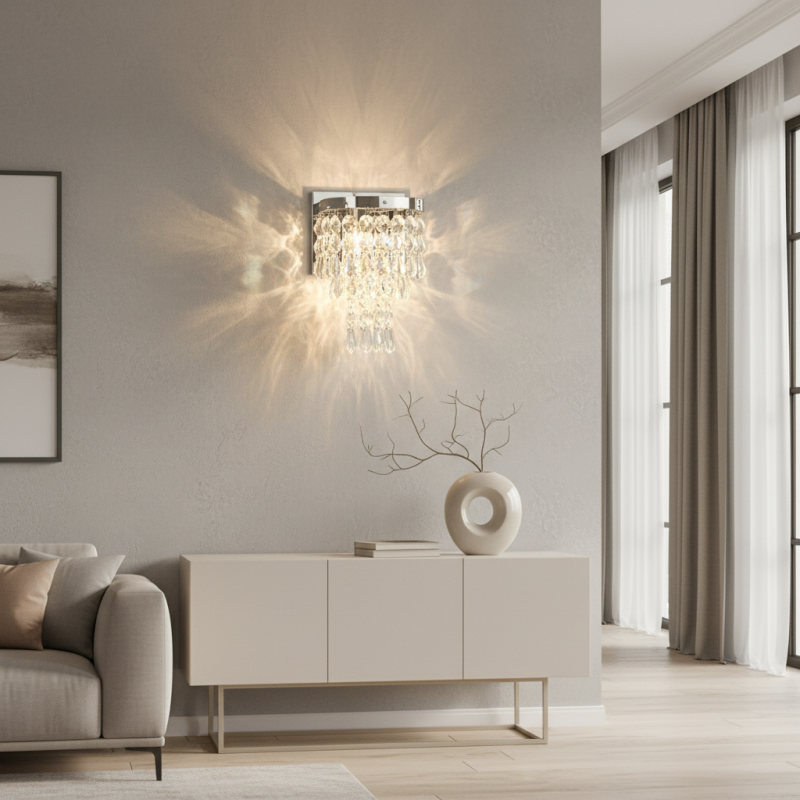
Choosing the right crystal wall light requires understanding different styles available in the market. These lights can greatly enhance your home’s ambiance. According to industry reports, crystal wall lights are primarily categorized into three types: traditional chandelier style, contemporary minimalist, and vintage art deco designs. Each brings a unique character, impacting the overall feel of a space.
Traditional chandelier-style lights are often adorned with numerous crystals. They reflect light beautifully, creating a sparkling effect. These lights suit classic interiors well. On the other hand, contemporary minimalist styles often feature sleek lines and fewer embellishments. They appeal to newer design aesthetics and can fit into modern homes seamlessly. Vintage art deco options offer a nostalgic touch, often blending intricate patterns and bold geometric shapes.
A key consideration is the room's purpose and size. Overly ornate designs can overwhelm smaller spaces. Conversely, minimal designs might not deliver the desired impact in larger rooms. Most homeowners tend to overlook the importance of scale. It’s essential to balance elegance with practicality. According to the American Lighting Association, improper sizing can disrupt the flow of design. Reflecting on these aspects will lead to a more satisfactory choice for your home.
Factors to Consider When Choosing Crystal Wall Lights
When selecting crystal wall lights, several factors come into play. The design should complement your existing decor. Whether you prefer modern or vintage styles, the lighting must harmonize with the room. A study by the American Lighting Association found that 78% of homeowners believe lighting significantly impacts their space. This means choosing the right style can elevate your home's aesthetic.
Another important factor is the size of the light fixture. Oversized fixtures can overwhelm a small room, while tiny ones may get lost in a large space. Aim for balance to maintain visual appeal. A report from the International Journal of Design highlights that proportionate lighting enhances overall room harmony, a crucial aspect many overlook.
Tips: Consider the wattage and brightness. Ensure sufficient illumination while being mindful of energy efficiency. Also, think about the installation location. Proper placement can highlight architectural features or create a cozy ambiance. Lastly, don't underestimate maintenance needs. Dust can dull the shine of crystal, so factor in cleaning when making a choice.
Assessing Your Home's Style and Décor Compatibility
When selecting a crystal wall light, it's crucial to consider your home's style and décor. Think about the overall theme of your space. Is it modern, traditional, or eclectic? A crystal wall light can enhance your aesthetic when it harmonizes with existing elements. For instance, a sleek, minimalist design may suit a contemporary room. In contrast, an ornate fixture can add a touch of classic charm to a traditional setting.
Additionally, pay attention to colors and materials. A crystal light with silver accents may pair beautifully with cool-toned walls. If your décor leans toward warmer hues, a gold finish might be better. Reflect on how the light will interact with other fixtures and furniture. Spaces can feel disjointed if the wall light clashes with your interior. It’s worth taking time to visualize how it will fit into your environment, especially in smaller areas.
Choosing the right crystal wall light involves trial and error. Consider bringing samples home to see them in your space. Lighting can change dramatically under different conditions. This means what looks good in the store may not work at home. Be willing to reassess your choices and explore different styles. Over time, you may discover what truly resonates with your personal taste.
How to Choose the Best Crystal Wall Light for Your Home? - Assessing Your Home's Style and Décor Compatibility
| Criteria | Description | Best Style Match | Color Options | Price Range |
| Material | Crystal is known for its clarity and shine, adding elegance. | Traditional, Glamorous | Clear, Colored | $50 - $300 |
| Design | Various designs available, from intricate to minimalist. | Modern, Contemporary | Chrome, Gold Finish | $70 - $400 |
| Size | Available in various sizes to suit different wall spaces. | Any | Small, Medium, Large | $30 - $500 |
| Lighting Type | LED, Halogen, Incandescent options available. | All | Warm White, Cool White | $40 - $600 |
| Installation | Can be hardwired or used as plug-in fixtures. | Any | N/A | $20 - $200 |
Selecting the Right Size and Placement for Crystal Wall Lights
Choosing the right size and placement for crystal wall lights can elevate your home’s decor significantly. The size of the light fixture should harmonize with the space. A large wall light can overwhelm a small room, while a tiny fixture may get lost in a spacious hallway. Measure the wall area where you plan to install the light. This step ensures a balanced look.
Placement is equally important. Consider the height at which you install your crystal wall lights. Typically, a height of 60 to 66 inches above the floor is ideal for living areas. However, lower placement can create an intimate atmosphere in bedrooms or reading nooks. Be mindful of the surrounding furniture and decor. Lights that are too close to larger pieces can feel cramped.
Reflection is key in placement. Observe how light bounces off the walls and decor. The right positioning enhances the crystal's sparkle. Avoid locations with direct light, as it may dim their beauty. When in doubt, try out different heights and angles before committing to installation. This experimentation can reveal unexpected outcomes that are aesthetically pleasing.
Energy Efficiency and Bulb Options for Crystal Wall Lights
When selecting a crystal wall light, energy efficiency plays a crucial role. According to the U.S. Department of Energy, LED bulbs consume at least 75% less energy than traditional incandescent options. This reduction not only lowers monthly costs but also contributes to environmental sustainability. Crystal wall lights can enhance a room’s ambiance while utilizing energy-efficient bulb options.
A common misconception is that all crystal wall lights must use incandescent bulbs. In reality, many designs now accommodate LED or CFL (compact fluorescent) bulbs, offering varied color temperatures and brightness levels. A 2020 study from the Lighting Research Center shows that more homeowners are opting for LEDs due to their longer lifespan, averaging 25,000 hours, compared to just 1,000 hours for incandescent bulbs.
Some may hesitate to switch to energy-efficient options due to initial costs or perceived lack of warmth. However, advancements in LED technology now provide options that closely mimic the warm glow of traditional lighting. This shift toward energy awareness reveals an opportunity for enhancing home aesthetics while being more eco-conscious. Understanding the balance between style and functionality is vital when choosing the right illumination for each space.