How to Choose the Right Well Control Box for Your Needs?
Choosing the right Well Control Box is crucial for effective drilling operations. In the oil and gas industry, proper well control measures can reduce accidents by 40%. The right equipment ensures safety and efficiency, contributing to project success.
Various factors influence the selection of a Well Control Box. These include the type of drilling operation, the geological conditions, and specific well parameters. Industry reports highlight that improper equipment can lead to significant financial losses— averaging $2 million per incident.
Some companies may overlook the importance of expert consultation. This can result in inadequate preparation for unexpected well conditions. Investing time in understanding your needs is essential. A poorly chosen Well Control Box can compromise both safety and performance metrics.
Understanding Well Control Boxes: Key Features and Functions
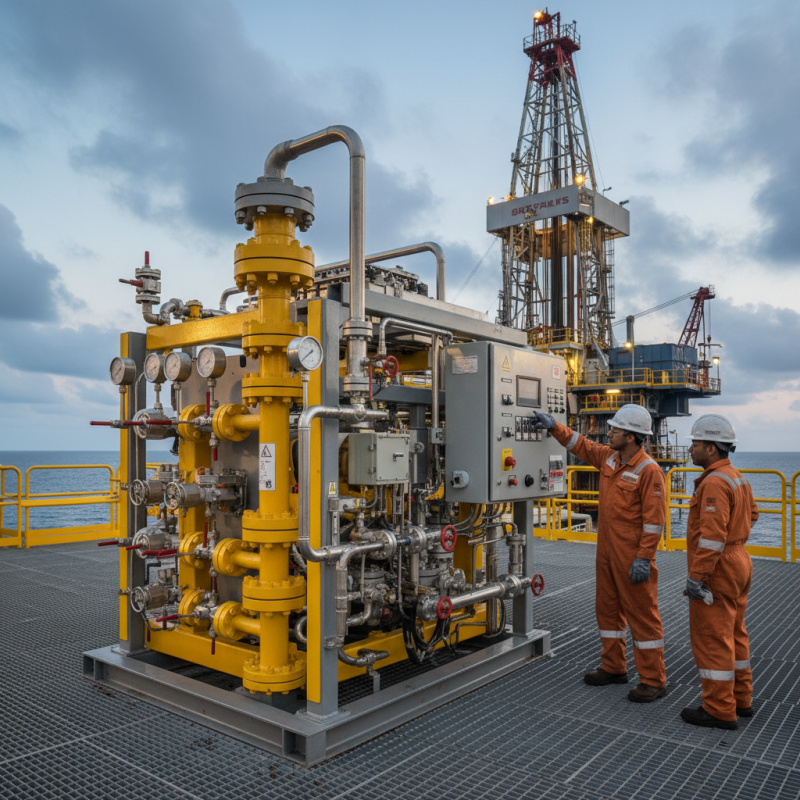
Well control boxes are essential for managing well integrity in drilling operations. These devices monitor pressure, flow rates, and other critical parameters. Understanding the key features of a well control box can ensure safe and efficient operations.
One important feature is the pressure control system. This system helps maintain optimal pressure levels during drilling. It's crucial to ensure that the pressure readings are accurate. Regular calibration can minimize errors. Moreover, a user-friendly interface is vital. Operators need to make quick decisions, so intuitive design matters.
Another essential aspect is the emergency shutdown function. In case of a critical event, this feature must activate promptly. Depending on the situation, it can save lives and equipment. However, it's often overlooked in training sessions. This oversight could lead to confusion in emergencies. Operators must regularly practice scenarios to ensure readiness. A well-chosen control box can enhance safety, but its effectiveness depends on the operator's knowledge and experience. Regular reviews and updates of the operational protocols are necessary to align with new challenges.
Assessing Your Operational Requirements for Well Control
Choosing the right well control box starts with understanding your operational requirements. Assess your current and future drilling activities. Identify the environments you will operate in, such as offshore or onshore. This will influence the specifications you need. Evaluate the depth and type of wells you plan to control, as these factors will impact your selection.
Consider the system’s compatibility with your existing equipment. This ensures seamless integration and operational efficiency. A well control box should also meet regulatory safety standards. Delve into the technical specifications like pressure ratings and flow capacities. These details matter and can greatly affect field performance. Don’t overlook training needs for your team. A complex system may require advanced knowledge, potentially leading to operational errors.
Finally, solicit feedback from your team about their experiences and challenges with previous systems. This insight is invaluable. Reflect on past projects to better understand critical requirements. Your choice should ultimately align with not just current needs, but also future scalability. The ultimate goal is reliable performance in every operational scenario.
Evaluating Safety Standards and Certifications for Well Control Boxes
When selecting a well control box, safety standards and certifications play a crucial role. Certification bodies evaluate these products rigorously, ensuring they meet industry safety protocols. This protects operators and the environment from potential hazards. Make sure to look for certifications like API and ISO. These labels indicate that the product adheres to recognized safety practices.
Furthermore, understanding the specific safety features of a well control box is essential. Features like pressure relief valves and emergency shut-off systems can enhance operational safety. However, not all models are designed equally. Some might excel in certain conditions but underperform in others. It's vital to review performance evaluations and seek expert opinions.
Choosing the right well control box requires careful consideration. Factors like location, potential risks, and operational conditions must influence your decision. Remember, there's no one-size-fits-all approach. Regularly reviewing and updating your knowledge on safety standards can help you make informed choices. This is an area where your experience will guide you, but reflection on what works can always lead to improvement.
Comparing Different Types and Models Available in the Market
When selecting a well control box, understanding your specific needs is crucial. Various types exist, each designed for particular applications. For instance, some models are optimal for deepwater drilling, while others are more suited for onshore operations. According to the International Association of Drilling Contractors (IADC), nearly 30% of well control incidents occur due to inadequate equipment selection.
Digital well control systems are becoming increasingly popular. They offer real-time data and advanced monitoring features. Enhanced automation can reduce human error, a factor in up to 70% of critical incidents. However, their reliability often hinges on infrastructure readiness and integration capabilities.
Another option is the manual control box, favored for its simplicity. While they're less costly, they may lack advanced safety features. Industry reports suggest that operators often overlook the importance of training on these systems, leading to potential risks. The ideal choice ultimately depends on a balance between technological sophistication and user proficiency.
Budgeting and Cost Considerations for Well Control Box Acquisition
When considering the acquisition of a well control box, budgeting is critical. According to industry reports, the cost of well control equipment can range widely, often between $5,000 to $50,000 depending on the complexity and brand. Smaller operations may opt for basic units, while larger companies requiring advanced features tend to spend on the higher end. It's essential to match your operational needs with your budget constraints.
The total cost of ownership extends beyond the initial purchase price. Maintenance, training, and potential downtime must be factored into your budget. A report from the International Association of Drilling Contractors indicates that effective training can decrease equipment-related incidents by 30%. Therefore, investing in proper training and maintenance might save more in the long run than choosing a cheaper control box. Additionally, consider the lifespan and reliability of different models. A well-maintained, reliable unit can prevent costly delays and accidents, affecting overall profitability.
Balancing cost with quality requires careful consideration. You'll want a control box that meets safety standards while being budget-friendly. It’s wise to consult with industry experts when making your choice. Their insights can help navigate complicated decisions, ensuring an optimal balance between cost and functionality.