How to Choose the Best Hdpe Cutting Board Material for Your Needs?
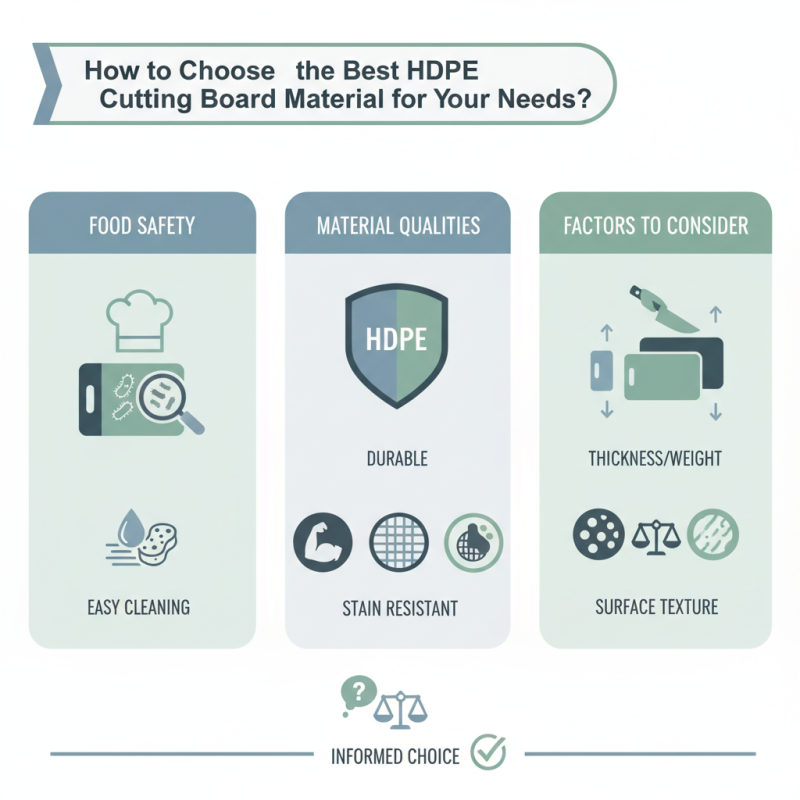
Choosing the right Hdpe Cutting Board Material is crucial for both home cooks and professional chefs. According to a recent industry report by the Food Safety and Inspection Service, cutting boards contribute significantly to food safety. The right material minimizes bacterial growth and simplifies cleaning. High-density polyethylene (HDPE) is popular. It is durable, non-porous, and resistant to staining.
However, not all HDPE cutting boards are created equal. Thickness and surface texture can affect usability. A report from the National Sanitation Foundation highlights that boards with a more textured surface may harbor bacteria. Yet, boards that are too smooth can be slippery. Selecting an HDPE cutting board requires consideration of these factors, as well as personal cooking habits.
Reflect on your kitchen needs. Do you need a lightweight board for easy handling or a heavier one for stability? The right HDPE cutting board material should fit seamlessly into your cooking routine. Balancing durability, maintenance, and safety will help you make an informed choice.
Factors to Consider When Selecting HDPE for Cutting Boards
When selecting HDPE for cutting boards, there are several key factors to keep in mind. The thickness of the board matters. Thicker boards tend to be more durable and resist warping. A durable cutting surface can withstand heavy kitchen use. Consider the size of the board as well. A larger board offers more space for food preparation, while a smaller one is easier to store.
Texture is another important aspect. Some HDPE boards have a textured surface. This can prevent food from sliding around during cutting. Easy cleaning is vital too. A non-porous surface allows for quick cleanup and avoids bacterial growth. Color options might seem trivial but can affect your kitchen aesthetics. Colored boards can also help with food safety by preventing cross-contamination.
One potential issue is scratching. While HDPE is durable, it can still become marked from knife usage. These scratches can harbor bacteria if not cleaned properly. Regular maintenance is essential to ensure longevity. Personal preferences also play a role; finding the right balance between functionality and personal taste is crucial. Choose wisely based on your unique cooking habits and kitchen environment.
Factors to Consider When Choosing HDPE Cutting Board Material
Comparison of HDPE Grades: Impact on Durability and Performance
When selecting an HDPE cutting board, understanding the different grades of HDPE is vital. High-Density Polyethylene (HDPE) is available in various grades, each impacting durability and performance. Studies show that boards made from Grade A HDPE offer superior resistance to cuts and wear, lasting longer than lower-grade options. These boards can withstand high temperatures, making them suitable for various kitchen tasks.
In contrast, Grade B HDPE, while still functional, is less dense and may show signs of wear sooner. Research indicates that Grade B boards can absorb more moisture, leading to bacterial growth. It's crucial to consider the intended use. If you plan to slice raw meats, opting for higher-grade HDPE is wise. Each grade serves different purposes, yet users often overlook these differences. They assume all HDPE is equal, which is a misconception that can lead to premature replacement.
The impact of HDPE grade on performance is undeniable. A detailed report highlighted that A-grade boards have a lower rate of surface scratches, significantly reducing the risk of cross-contamination. Yet, some users may find the initial cost of higher-grade boards harder to justify. Investing in quality can yield long-term savings, as replacements for lower grades can add up. Emphasizing material quality is essential when choosing the right cutting board for your kitchen needs.
Assessing Food Safety Standards for HDPE Cutting Board Materials
When evaluating HDPE cutting boards, food safety is paramount. High-density polyethylene (HDPE) is a versatile material used widely in kitchens. It stands out due to its resistance to bacteria and easy cleaning properties. However, not all HDPE cutting boards are created equal. Understanding the manufacturing process can help determine safety levels.
Many HDPE boards undergo rigorous testing to meet food safety standards. Look for boards that have NSF certification, which assures compliance with sanitation requirements. These boards should be seamless and non-porous to avoid trapping bacteria. Be aware that wear and tear can compromise the surface over time. Scratches and grooves may harbor bacteria, making regular inspection essential.
Choosing the right cutting board requires careful consideration. Make sure to check the specifications closely. Not every HDPE product may fulfill hygiene requirements. While most HDPE materials claim to be safe, it’s critical to verify their safety standards. Saving money on a cheaper alternative might cost you in the long run. Always prioritize safety when selecting cutting boards for your kitchen.
Evaluating Cost vs. Longevity: The Economic Perspective of HDPE Boards
When considering HDPE cutting boards, the economic perspective is vital. Evaluating cost versus longevity can save money over time. High-density polyethylene is durable, resistant to scratches, and won’t harbor bacteria. However, initial costs can vary significantly based on thickness and quality.
A cheaper board may not last as long. It might warp or crack after repeated use. This can lead to additional expenses for replacements. Investing in a high-quality HDPE board often means a higher upfront cost. Yet, it usually results in a longer lifespan and consistent performance. Frequent replacements can become a hidden cost.
When making your decision, consider your cooking habits. If you cook often, a durable board is essential. Ask yourself if the initial investment aligns with your long-term needs. A good HDPE cutting board can stand the test of time and improve your kitchen efficiency. Finding a balance between cost and quality is key. You want a board that meets your needs without falling short.
Environmental Impact of HDPE Production and Usage in Kitchenware
HDPE, or high-density polyethylene, is widely used in kitchenware, particularly cutting boards. Its production process involves the use of fossil fuels, raising concerns about environmental impact. The extraction of petroleum for HDPE can contribute to pollution. While it is recyclable, the recycling rates are variable.
When using HDPE cutting boards, consider their longevity. A durable board can reduce waste in the long run. However, improper disposal can lead to landfill buildup. The positive aspect is its low moisture absorption. This quality helps in preventing bacterial growth, making them safer for food preparation.
Reflecting on HDPE's environmental implications is essential. Are we prioritizing convenience over sustainability? Each plastic product contributes to a larger problem. Although HDPE is favored for its functionality, being mindful of our choices is crucial for a healthier planet.