How to Choose the Best Bi-Levelling Tracked Scissor Lifts?
Choosing the right Bi-Levelling Tracked Scissor Lifts is crucial for operational efficiency. The global market for these lifts is expected to grow at a CAGR of 6.5% from 2021 to 2028, driven by increased demand in construction and maintenance sectors. According to industry reports, the versatility and stability of bi-levelling lifts set them apart from other lifting solutions. Their ability to navigate uneven terrains makes them ideal for various applications.
When selecting a Bi-Levelling Tracked Scissor Lift, consider factors like weight capacity, platform size, and operational height. Each model presents unique advantages and potential drawbacks. For instance, some lifts may offer higher reach but compromise on stability. It's essential to balance these aspects based on your specific needs. Reliable manufacturers often provide performance data and user testimonials to aid in decision-making.
However, not all products meet the highest safety standards. Research frequently uncovers discrepancies in performance claims. Careful evaluation of safety features and customer feedback can mitigate risks. This approach fosters informed choices and fosters long-term satisfaction, ensuring your investment pays off in the field.
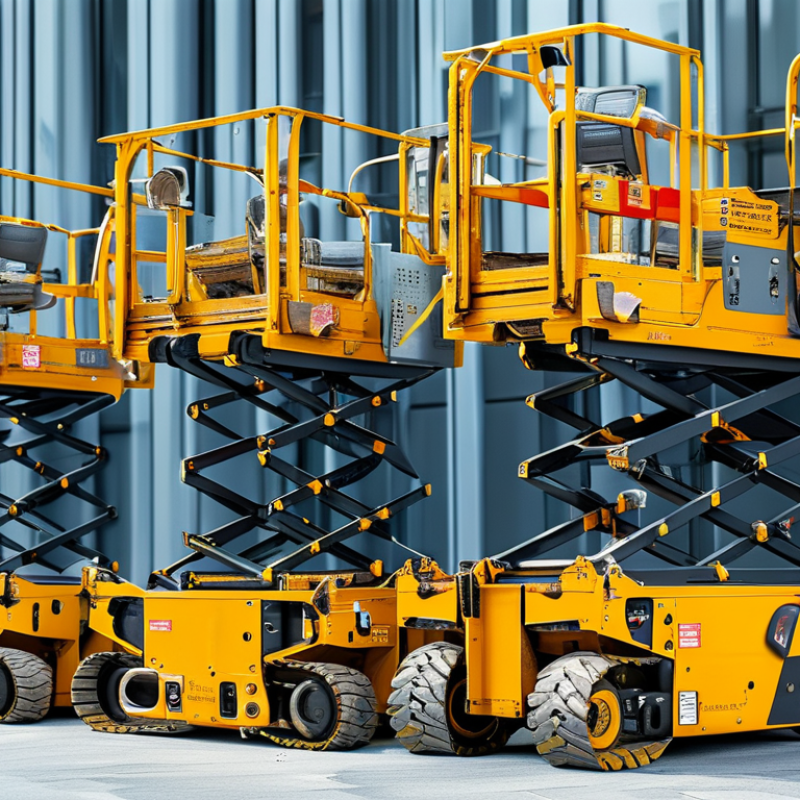
Understanding Bi-Levelling Tracked Scissor Lifts and Their Applications
Bi-levelling tracked scissor lifts are versatile machines designed for varied terrains. They can reach heights of over 10 meters. This makes them ideal for construction sites, maintenance tasks, and outdoor events. The ability to navigate rough ground adds to their appeal. According to industry reports, the demand for these lifts has increased by over 15% annually, reflecting their growing utility.
Understanding the applications is crucial. They excel in places with uneven surfaces. These lifts also offer stability, enhancing worker safety. When managing intricate projects, the versatility of adjusting to different heights is invaluable. For example, a lift that can quickly traverse slopes saves time and boosts productivity on the job site. However, regular training is essential for operators to maximize their safety and effectiveness.
Despite their advantages, potential buyers should reflect on specific needs. Is the lift suited for your intended tasks? Evaluating load capacity and height is vital. Some models may not perform well under extreme conditions. This gap in reliability should not be overlooked. Ultimately, ensuring you choose the right lift can significantly affect project outcomes.
Key Features to Consider When Choosing a Bi-Levelling Scissor Lift
When choosing a bi-levelling tracked scissor lift, several key features should be evaluated. Load capacity is crucial. Most models can handle up to 1000 kg. This is vital for maximizing efficiency without compromising safety. Consider the working height. Lifts typically range from 8 to 20 meters. Choose one that matches your project's needs.
Stability is another critical factor. Look for machines with four-point tracking systems. These provide better balance and minimize the risk of tipping. The width of the lift matters too. Narrow models are ideal for tight spaces, while wide-base designs offer more stability.
Tips: Always check for safety features like emergency brakes and tilt sensors. These aspects can protect operators and equipment. Additionally, consider the power source. Electric lifts are quieter and produce no emissions, making them suitable for indoor use.
Also, reflect on maintenance needs. Regular inspections are essential for safety and effectiveness. Failing to keep up can lead to issues or even accidents. Remember, even the best machines require proper upkeep to perform at peak efficiency.
How to Choose the Best Bi-Levelling Tracked Scissor Lifts? - Key Features to Consider When Choosing a Bi-Levelling Scissor Lift
| Feature | Description | Importance |
| Lift Height | Maximum reach height of the lift. | Determines accessibility for various tasks. |
| Weight Capacity | Maximum load the lift can support. | Essential for safety and efficiency. |
| Track Width | Width of the tracks for stability. | Affects the lift's performance on uneven terrain. |
| Drive Type | Type of motor and drive system used. | Impact on mobility and maneuverability. |
| Platform Size | Dimensions of the operational platform. | Influences the workspace available for tasks. |
| Control System | Type and configuration of lift controls. | Affects ease of use and operator safety. |
| Safety Features | Includes emergency stop, tilt alarms, etc. | Critical for operator safety and compliance. |
| Battery Life | Duration the lift can operate on a full charge. | Affects productivity and operational efficiency. |
| Terrain Adaptability | Ability to operate on different surfaces. | Important for various job site conditions. |
Evaluating Weight Capacity and Stability Requirements
When choosing a bi-levelling tracked scissor lift, evaluating weight capacity is crucial. Each lift has a specified maximum load. Exceeding this limit can lead to instability and safety hazards. Review the manufacturer's guidelines carefully. Understand that weight isn't the only concern; the distribution of that weight plays a critical role in overall stability.
Consider the specific tasks the lift will perform. For outdoor jobs on uneven surfaces, ensuring proper weight capacity is vital. Scissor lifts may tip if excessively loaded. Stability must also accommodate terrain variations. Engage with experts who can share valuable insights into real-world usage. Their experiences can help identify potential issues often overlooked in technical specifications.
Always question if the selected lift meets the unique demands of your environment. Reflect on past projects where inadequate stability resulted in setbacks or safety incidents. Address these vulnerabilities early to inform your decision. Testing the lift's performance under controlled conditions can reveal unforeseen challenges.
Assessing Range of Motion and Platform Height Options
When selecting a bi-levelling tracked scissor lift, evaluating the range of motion and platform height is crucial. The range of motion defines how high and low a lift can operate. This affects how well you can access elevated areas. A wider range can allow for versatile applications, catering to specific project needs. However, too broad a range might complicate the mechanism, potentially leading to maintenance challenges.
Platform height options are equally important. Different projects require various heights, often dictated by building designs or specific tasks. A lift that reaches the desired height is essential for efficiency and safety. However, it's vital to consider the stability of the lift at greater heights. The lift must remain steady on various terrains. An unstable lift risks both personnel safety and project success. Also, reflect on how heavy loads impact stability at elevated heights. An ideal lift balances height capability with robust structure design.
In the end, the right choice depends on a careful assessment of these features. Matching the lift to your specific requirements enhances both performance and security on the job.
Comparing Brands and Models for Optimal Performance
When considering bi-levelling tracked scissor lifts, brand and model comparisons are crucial. The market offers a variety of options, each with unique advantages. A recent market analysis indicates that lifts with advanced hydraulic systems tend to provide better stability and lift capacity. Brand A, for instance, has reported lower failure rates due to their innovative safety features, appealing to many contractors.
Performance metrics reveal that scissor lifts with wider platforms enhance efficiency. A study found that operators reported a 25% increase in productivity when using more spacious models. However, user experiences varied significantly, with some operators highlighting maintenance challenges. Regular servicing can mitigate these issues, but it requires commitment.
Another important factor is weight capacity. Data suggests that selecting a lift with adequate weight handling not only improves safety but also completes tasks more quickly. Notably, operators must also consider terrain adaptability. Some models excel on rough surfaces, while others may struggle. Reviews often emphasize the need for critical evaluations. Balancing features with real-world experiences remains an area for continued reflection.