Why Choose a Generator Pump for Your Business Needs?
In today's competitive market, the choice of equipment can impact your business's success. A Generator Pump offers reliability and efficiency, making it essential for various industries. According to a report by Global Market Insights, the generator pump market is expected to grow at a CAGR of 5.6% over the next five years. This growth reflects an increasing demand for dependable backup solutions in sectors like construction and agriculture.
Industry expert John Smith, a consultant at PowerTech Solutions, states, “Investing in a quality Generator Pump is not just a good choice; it's a strategic necessity." His insight highlights the significant role these pumps play in ensuring operations continue smoothly during power outages.
Choosing a Generator Pump can provide peace of mind. However, not all pumps are created equal. Understanding the specifications and selecting the right model is crucial. Businesses must reflect on their specific needs and evaluate their options carefully. A well-chosen Generator Pump can be a game-changer, but a misstep can lead to setbacks.
Benefits of Using Generator Pumps in Various Industries
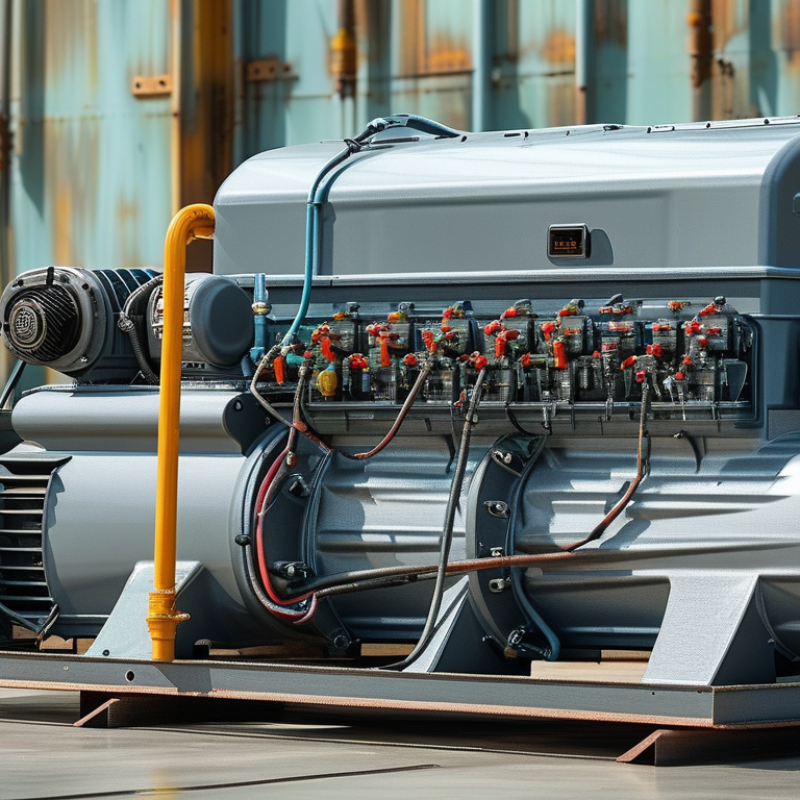
Generator pumps are essential tools for various industries, providing reliable solutions for fluid management. They are particularly effective in construction, agriculture, and emergency services. These pumps can handle large volumes of water and other fluids, ensuring smooth operations.
In construction, generator pumps help prevent flooding and maintain worksite integrity. They can efficiently pump out water from trenches and basements. This functionality minimizes delays and reduces workplace hazards. Agriculture also benefits from these pumps. They assist in irrigation systems, making water distribution efficient. A well-placed generator pump can save time and energy, crucial for farmers.
Emergency services rely on generator pumps during crises. They boost response times and enhance safety. However, the initial setup can be challenging. Users might face difficulties with installation and maintenance. Understanding proper usage is vital for maximizing efficiency. Regular checks are necessary to avoid mechanical failures. These pumps offer immense benefits when utilized correctly, but they require diligence and knowledge to operate effectively.
Key Features and Specifications to Consider in Generator Pumps
When considering a generator pump for business needs, specific features stand out. Flow rate is crucial. Businesses often require pumps that can handle various materials and volumes. According to industry reports, pumps with flow rates exceeding 100 gallons per minute (GPM) are popular in construction and agriculture. A higher flow rate often means increased productivity. However, it can also lead to higher operational costs. Balancing efficiency with cost is vital.
Durability is another essential feature. Generator pumps are exposed to challenging environments. Strong housing and corrosion-resistant materials extend their lifespan. Reports indicate that pumps made from stainless steel or heavy-duty plastics can last up to 20% longer under harsh conditions. It’s essential to consider the maintenance needs as well. Even the best pumps require regular checks. Ignoring maintenance can lead to unexpected failures and costly downtime. A thorough understanding of specifications can prevent such issues.
Portability must not be overlooked. Many businesses need to move equipment frequently. Lightweight units with ergonomic handles are easier to transport. Weight should always be considered, particularly in tight job sites. The blend of light weight and robust construction can be rare. Therefore, research is necessary to find the ideal option. People often overlook these factors, which can impact operation efficiency significantly.
Key Features and Specifications of Generator Pumps
Industry Statistics on Efficiency and Cost Savings of Generator Pumps
Generator pumps have gained popularity in various industries due to their efficiency and cost-saving potential. Recent industry statistics reveal that these pumps can reduce operational costs by as much as 30%. This significant savings is realized through their ability to handle large volumes of water quickly and effectively. Many businesses have noted a decrease in manpower and time spent on water management.
Moreover, generator pumps boast high efficiency rates, often exceeding 90%. This means more output with less energy consumption. In sectors like construction and agriculture, where time is money, the effectiveness of these pumps can be a game-changer. However, there are situations where they may not perform as expected. Maintenance is crucial, and neglect can lead to issues. Regular checks can prevent costly breakdowns.
Efficiency metrics show that businesses using generator pumps report improved production rates. Yet, relying solely on technology can be risky. Understanding each application's requirements is vital to maximize benefits. Making informed choices about pump sizing and usage often leads to better outcomes. Balancing technology and human oversight remains essential for optimal performance.
Applications of Generator Pumps in Construction and Agriculture Sectors
Generator pumps are vital tools in both construction and agriculture. In construction, these pumps effectively manage water removal to prevent flooding on job sites. They handle excess water from rain or groundwater, ensuring a safe working environment. Their portability allows for easy relocation, making them suitable for various terrains.
In agriculture, generator pumps are used for irrigation and drainage. They transfer water efficiently from sources to fields, supporting crop growth. Farmers often rely on these pumps during dry spells to ensure their crops receive adequate hydration. However, issues can arise if the pump fails or is not maintained properly. Regular checks and maintenance are crucial to ensure reliability. Understanding the specific needs of each project can help determine the right pump for optimal performance.
Maintenance Tips for Maximizing the Lifespan of Generator Pumps
Generator pumps are essential for various business operations, especially in industries like construction and agriculture. However, their longevity heavily depends on proper maintenance. Regular upkeep might seem tedious, but it significantly enhances performance and reliability.
One critical maintenance tip is to routinely inspect oil levels and change the oil according to the manufacturer’s guidelines. According to industry reports by the Engine Manufacturers Association, maintaining proper oil levels can increase a pump's lifespan by 30%. Additionally, cleaning air filters regularly helps maintain optimal airflow and reduces unnecessary wear. Neglecting these tasks can lead to more costly repairs and downtime.
Another important aspect is storage. Ensure that generator pumps are stored in a dry, clean environment. Moisture can cause corrosion, negatively impacting performance. Regularly check for signs of wear and tear, and replace any worn parts immediately. This proactive approach can prevent unexpected failures. By implementing these best practices, businesses can maximize the efficiency and longevity of their generator pumps, minimizing operational interruptions and costs.