Why Choose a 4.5T Pure Electric Compactor Garbage Truck?
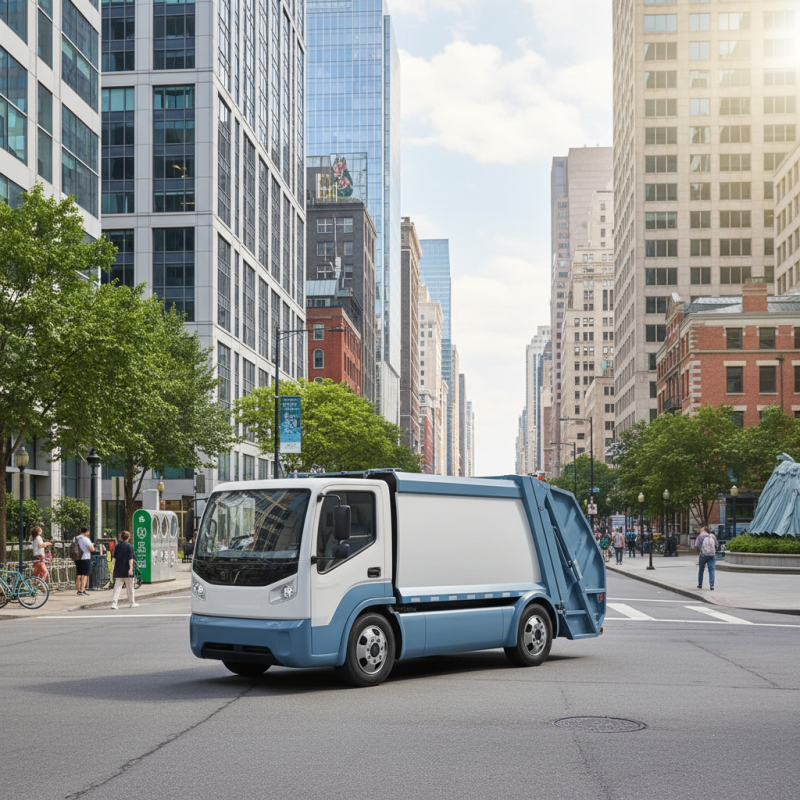
In recent years, the demand for eco-friendly waste management solutions has surged. The 4.5T Pure Electric Compactor Garbage Truck stands at the forefront of this evolution. This innovative vehicle offers a clean and efficient way to tackle urban waste challenges. With its advanced electric powertrain, this compactor truck reduces greenhouse gas emissions significantly.
Moreover, the 4.5T Pure Electric Compactor Garbage Truck is designed for maneuverability in city environments. Its compact size allows for easy navigation through narrow streets. This feature is crucial for municipalities striving to improve waste collection efficiency. And while the technology is promising, there are still areas that need refinement. For instance, the battery life may limit its operational range in certain scenarios.
Yet, the benefits of adopting this electric truck far outweigh the drawbacks. It represents a commitment to sustainability while addressing the growing waste management demands. As cities evolve, the 4.5T Pure Electric Compactor Garbage Truck reflects a future where environmental responsibility and operational efficiency go hand in hand.
Advantages of Using a 4.5T Pure Electric Compactor Garbage Truck
The 4.5T pure electric compactor garbage truck represents a progressive shift in waste management. With zero emissions, this vehicle contributes to cleaner air and a healthier environment. It’s quieter than traditional trucks, reducing noise pollution in urban areas. This advantage becomes crucial during early morning or late-night collections.
Using a 4.5T electric truck can result in significant savings on fuel costs. Charging the vehicle is often cheaper than filling a gas tank. Additionally, these trucks require less maintenance, as electric engines usually have fewer moving parts. However, charging infrastructure can be a challenge. It’s vital to ensure that charging stations are accessible for efficient operation.
Tip: Look into local incentives for electric vehicles. Some regions offer financial benefits for adopting cleaner technologies. When planning routes, consider the truck's range. This will help avoid downtime due to low battery levels. The reliability of electric trucks can vary based on usage, so regular checks are necessary to ensure optimal performance.
Comparative Analysis: Electric vs. Diesel Garbage Trucks
When discussing garbage trucks, the contrast between electric and diesel models is significant. A recent report from the International Council on Clean Transportation reveals that electric garbage trucks can reduce greenhouse gas emissions by up to 50% compared to their diesel counterparts. This is crucial in urban areas where air quality is a growing concern. Electric trucks also operate much quieter, which can be beneficial during night-time collection routes.
However, the initial cost of electric vehicles remains higher. According to industry data, upfront expenses can be up to 30% more than diesel trucks. This raises questions regarding budget allocation for municipalities. While electric trucks promise lower operational costs over time, adoption may face hurdles due to budget constraints and charging infrastructure challenges.
Fleet managers must consider the total cost of ownership. Diesel trucks typically require more maintenance, with daily inspections and oil changes adding to overall costs. Electric models, while simpler in mechanics, still face battery degradation issues. The average electric truck battery may last around 5-8 years, impacting long-term planning for sustainability. Making an informed choice requires weighing these factors carefully.
Environmental Benefits of Electric Garbage Trucks
The shift towards electric garbage trucks is gaining momentum, particularly the 4.5T pure electric compactor models. These vehicles offer significant environmental benefits. They produce zero tailpipe emissions, reducing air pollution in urban areas. This is crucial for improving public health, especially in densely populated regions.
Electric garbage trucks also operate more quietly than their diesel counterparts. This reduction in noise pollution creates a more pleasant environment for both residents and wildlife. The transition to electric can lead to fewer disturbances during early morning pickups, making neighborhoods more livable. However, charging infrastructure is still being developed in many areas, which poses challenges for wider adoption.
Using electric compactor trucks can lead to lower operational costs in the long run. They require less maintenance and have greater energy efficiency. Still, the upfront costs of purchasing these vehicles may deter some municipalities. Resources need to be allocated wisely. Balancing budget constraints with environmental goals is essential. Effective strategies must be implemented to maximize the positive impacts of these electric vehicles.
Operational Efficiency and Cost Savings of Electric Compactors
Electric compactor garbage trucks are transforming waste management. These 4.5T vehicles offer operational efficiency that traditional trucks often lack. With lower energy consumption, they reduce costs significantly. Electric models can minimize downtime due to fewer mechanical failures. This leads to increased productivity and less time spent on repairs.
Tips to maximize efficiency with electric compactors: ensure regular maintenance checks. They don’t require oil changes, but battery health is crucial. Additionally, optimize route planning to reduce travel time. Shorter routes mean less energy consumption and quicker pickups. Keep track of battery levels to prevent unexpected downtime.
Moving to electric also reflects evolving environmental concerns. Cities are shifting toward sustainable practices. Electric compactor trucks produce no emissions, making them more compliant with regulations. However, transitioning to electric presents challenges. Training staff and adapting to new technology can be hurdles. But the long-term savings and efficiency gains often outweigh these obstacles.
Why Choose a 4.5T Pure Electric Compactor Garbage Truck? - Operational Efficiency and Cost Savings of Electric Compactors
| Feature | Traditional Diesel Truck | 4.5T Pure Electric Compactor |
| Operational Cost per Day | $200 | $80 |
| Maintenance Costs per Year | $5,000 | $1,200 |
| Energy Consumption per Mile | 8 MPG | 2 kWh |
| Noise Level | 80 dB | 60 dB |
| CO2 Emissions per Year | 20 tons | 0 tons |
| Typical Range on Full Charge | N/A | 100 miles |
Future Trends in Electric Waste Management Vehicles
The landscape of waste management is changing rapidly. Electric vehicles, especially compactors, are leading this transformation. A 4.5T pure electric compactor garbage truck embodies the future of waste collection. It meets stricter environmental regulations while operating quietly in urban areas.
Cities are beginning to recognize the benefits. These vehicles reduce greenhouse gas emissions significantly. Their advanced technology allows for efficient weight and volume management. However, challenges remain. Battery life and charging infrastructure need further development. Additionally, the initial cost can deter some municipalities. Embracing change requires investment and long-term thinking.
Looking ahead, innovation will drive the sector. Solar power integration and smart routing systems may become standard. Flexibility in design will improve efficiency. Yet, skepticism still exists. Some may doubt the feasibility of pure electric solutions for large urban areas. This ongoing debate is crucial for progress in electric waste management vehicles.