China Top Marble Wall Tiles for Global Buyers Guide?
The growing demand for Marble Wall Tiles reflects an evolving design landscape. According to a recent market analysis, the global marble tile market is projected to reach $7.2 billion by 2026. This highlights the increasing preference for natural stone in residential and commercial spaces. Marble wall tiles are not just beautiful; they also provide durability and elegance.
Countries like China dominate the marble industry. China's marble exports have surged by approximately 15% in the last five years. This uptick signals both higher quality production and an expanding market reach. However, buyers should be cautious. The vast range of choices can be overwhelming. Some tiles may lack authenticity or origin transparency.
Investing in quality Marble Wall Tiles involves understanding product sourcing and characteristics. Not all tiles meet the same standards, and knowing what to look for is crucial. Prospective buyers should consider these factors carefully. Quality not only influences aesthetics but also longevity. Selecting the right marble requires diligence and awareness of market nuances.
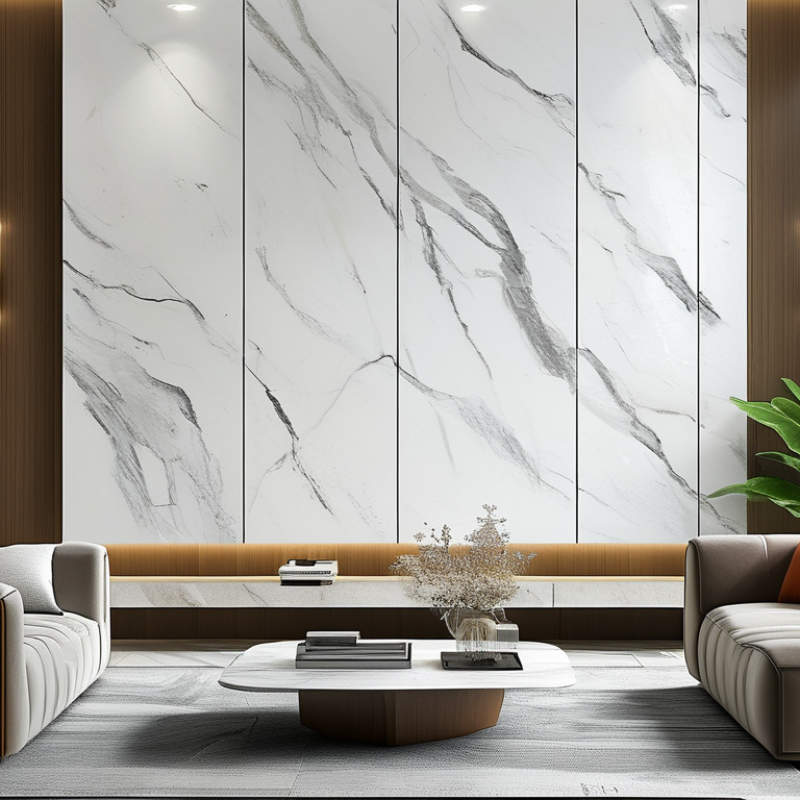
China's Marble Wall Tiles Market Overview: Trends and Projections
China's marble wall tiles market is robust and evolving. The country produced over 50 million square meters of marble tiles last year. This is a clear indication of its importance in the global market. The domestic demand is largely driven by construction and renovation projects.
Recent trends show an increasing preference for eco-friendly materials. A report indicated that about 30% of buyers prioritize sustainability when choosing wall tiles. This shift reflects a broader global demand for environmentally responsible products. Yet, challenges persist. Some manufacturers still rely on traditional methods that may not meet sustainable practices. This discrepancy could hinder growth in the long run.
Projections suggest that the market will grow at a rate of 6% annually through 2026. Export opportunities are expanding. However, the quality assurance and certification process remains a concern for many global buyers. Ensuring compliance with international standards is crucial. The future of China’s marble wall tiles market is promising, yet it calls for ongoing reflection and improvement for industry stakeholders.
China Top Marble Wall Tiles Market Overview
Key Factors Driving the Demand for Marble Wall Tiles in Global Markets
The demand for marble wall tiles is rapidly increasing in global markets. Aesthetic appeal is a key driver. Homeowners want luxurious looks that marble provides. Interior designers favor marble for its elegance and versatility. This natural stone can elevate any space with its beauty.
Sustainability also influences demand. More buyers are considering eco-friendly materials. Marble is a natural product that can last for years. Its durability appeals to those looking for long-term investments. However, sourcing marble can raise ethical concerns. Not all suppliers follow sustainable practices, leading buyers to seek reliable sources.
Price variations impact the market too. While some buyers find marble affordable, others see it as a luxury. Understanding local market conditions is essential. Not every region has the same preferences. Reflecting on these factors helps both buyers and sellers navigate this complex landscape effectively.
Top Manufacturers of Marble Wall Tiles in China: Profiles and Capacities
When it comes to marble wall tiles, Chinese manufacturers stand out prominently. The marble tile industry in China is a major hub, producing a significant portion of the world’s tiles. According to recent industry reports, over 60% of the world’s marble tiles are sourced from China. This immense capacity allows manufacturers to meet diverse market demands across various countries.
In addition to quantity, quality matters. Many manufacturers invest in advanced production technology. They often utilize state-of-the-art machinery to enhance precision. However, quality assurance can be inconsistent. Some producers may cut corners, which can affect the final product. Buyers should be vigilant in evaluating supplier quality certifications and product samples.
**Tip:** Verify the supply chain before making a purchase. This can prevent issues related to product quality. Also, consider visiting factories in China to inspect production practices directly.
Overall, the landscape of marble wall tile production in China offers both potential and pitfalls. Buyers must conduct thorough research and vet multiple suppliers. It’s essential to understand each manufacturer’s capabilities and any limitations they may have. Market growth and innovation continue to evolve, encouraging a commitment to improvement among industry players.
Sustainability in Marble Production: Eco-Friendly Practices in China
Sustainability in marble production is increasingly important. China's marble industry has begun to embrace eco-friendly practices. According to the Natural Stone Institute, about 30% of marble production waste can be recycled. This aligns with global trends emphasizing resource efficiency.
Efforts include water conservation techniques. Innovative methods capture and reuse water in processing. This could reduce consumption by up to 50%, significantly lowering environmental impact. Nevertheless, challenges remain. Not all producers have adopted these practices widely, leading to inconsistent standards.
Another vital area is energy consumption. The marble sector in China is exploring renewable energy sources. Reports indicate a potential 20% decrease in carbon emissions with these practices. Yet, many facilities still rely heavily on fossil fuels. This situation calls for more industry collaboration and standards for sustainability, fostering a greener future for marble production.
Import Regulations and Quality Standards for Marble Wall Tiles in Global Trade
When importing marble wall tiles, buyers should understand specific regulations and quality standards. These standards ensure safety and durability. Many countries have strict regulations governing the sourcing and importation of marble products. Buyers must verify compliance with these rules to avoid penalties.
Quality standards play a crucial role in global trade. Certifications can vary by country, impacting the acceptance of the tiles. Buyers may face challenges if they do not confirm the quality specifications. For instance, thickness, finish, and color consistency are critical factors. Poor-quality tiles can cause issues in installation and longevity. It is essential to conduct thorough inspections and keep detailed records.
Additionally, some imports may face tariffs that can increase costs. Understanding these factors is vital for budget planning. Communication with suppliers is key. Not all suppliers provide complete information about compliance and quality. Buyers must ask the right questions to avoid risks. Ensuring clarity upfront can help in making informed decisions.