What are the Best Uses for Galvanized Nails in 2026?
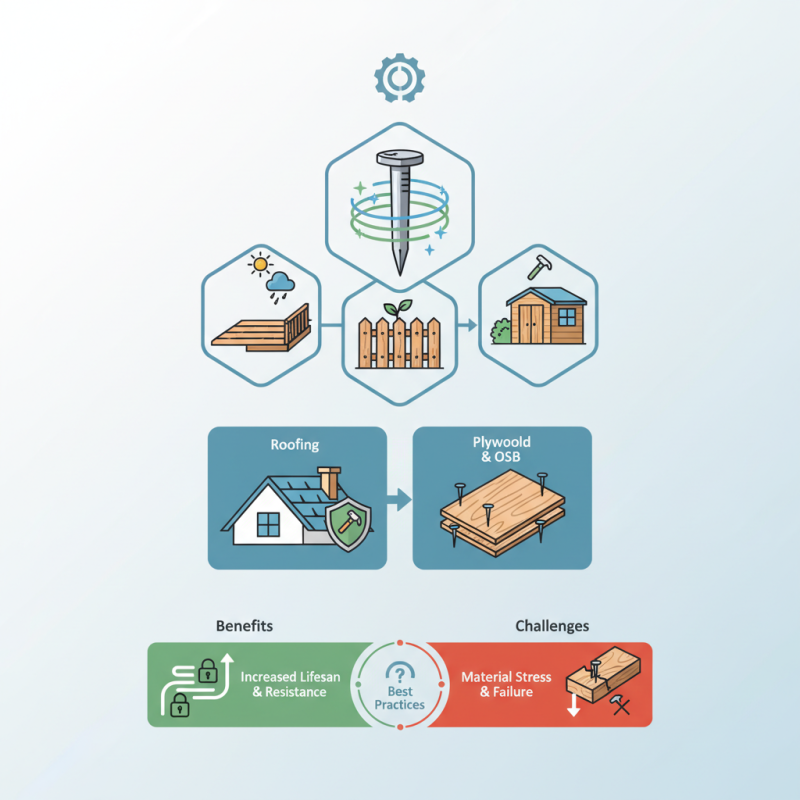
In 2026, the uses for galvanized nails have expanded significantly. These durable fasteners are coated with zinc, making them resistant to rust and corrosion. This characteristic is essential for various outdoor projects. Homeowners and builders alike utilize galvanized nails for constructing decks, fences, and garden sheds.
Many professionals also recommend using galvanized nails for roofing. Their weather-resistant properties protect structures from wear over time. Additionally, they are effective in securing materials like plywood and OSB. However, one must consider the potential for overuse. In some cases, improper application can lead to material stress and failure.
Replacing traditional nails with galvanized options brings benefits and challenges. The increased lifespan and resistance to elements are clear advantages. Yet, using them indiscriminately without proper planning can cause setbacks. As we explore, understanding the best practices for galvanized nails is crucial. This helps avoid common pitfalls and ensures structural integrity.
Best Uses for Galvanized Nails in Construction Projects
In construction projects, galvanized nails are essential. Their resistance to rust makes them ideal for outdoor use. Many contractors prefer them for roofing and framing work. A recent industry report indicates that over 40% of builders choose galvanized fasteners for wood structures. They help ensure longevity and durability in various weather conditions.
Using galvanized nails in fencing is another popular choice. Fences are exposed to moisture and changing temperatures. Galvanized nails withstand these elements well. Tips: choose nails that match the thickness of your wood. This ensures a secure fit, preventing future issues.
Galvanized nails also play a role in deck construction. They resist corrosion from water exposure. However, not all galvanized nails are created equal. Some may corrode after several years. It is crucial to select the right type for your project. Remember, better materials lead to fewer repairs.
Advantages of Using Galvanized Nails in Outdoor Applications
Galvanized nails are a preferred choice for outdoor applications in 2026. Their unique coating provides excellent rust protection, essential for longevity. According to industry reports, galvanized nails last up to 20 years under harsh weather conditions. That's a significant advantage for outdoor projects.
When building a deck or fences, galvanized nails enhance overall stability. They withstand moisture and prevent the onset of corrosion. A study revealed that using galvanized nails can reduce maintenance costs by up to 30%. However, their use isn't perfect. The coating can wear off over time, leading to rust formation. Regular inspections are necessary.
Another notable aspect is their suitability for various materials. From wooden structures to metal fencing, they perform well. However, they may not be ideal for all situations. Using a different type of fastener might be better for specific projects. It's crucial to evaluate each application carefully. This ensures the best choice for durability and safety.
What are the Best Uses for Galvanized Nails in 2026? - Advantages of Using Galvanized Nails in Outdoor Applications | Application Area | Nail Size (in inches) | Corrosion Resistance Rating | Typical Uses | Advantages |
| Decking | 2.5" | Medium | Wood Decks | Strong hold, weather resistance |
| Fencing | 1.75" | High | Wood and Metal Fences | Durability, rust-proof |
| Roofing | 1.5" | Very High | Shingle Installation | Long-lasting, protects against leaks |
| Outdoor Furniture | 2" | High | Patio Chairs & Tables | Aesthetic appeal, resistance to rust |
| Garden Structures | 3" | Medium | Arbors and Trellises | Supports plant growth, weather-proof |
Appropriate Galvanized Nail Sizes for Different Materials
When choosing galvanized nails, size matters. The right size depends on the material you are working with. For example, 1.5-inch nails are ideal for attaching wood to wood. They penetrate well and provide strong hold. In contrast, when working with thicker materials, such as pressure-treated lumber, 2.5-inch nails are recommended. This ensures a secure connection without bending.
Industry reports suggest that using the correct size of galvanized nails can increase durability by over 30%. They can withstand moisture better than standard nails. A common mistake is using nails that are too short. This can lead to structural failures. According to the latest data, nearly 15% of construction issues stem from incorrect fastener sizes.
It's also important to consider the thickness of the materials. For sheathing or siding, 1.75-inch to 2-inch nails provide stability. However, a common oversight is the use of overly long nails. These can split the wood and weaken the joint. Reports indicate that such mistakes can undermine the integrity of the entire structure.
Always reflect on the size and material compatibility when working with galvanized nails.
Tips for Proper Installation of Galvanized Nails
When using galvanized nails, proper installation is key to achieving durability and longevity. Start by selecting the right size for your project. Using oversized nails can split wood, while undersized ones may not provide enough strength. Consider the thickness of materials being joined. If you’re unsure, err on the side of larger sizes.
Before installation, ensure your tools are in good condition. A dull hammer can lead to bent nails and improper seating. Aim for a firm, straight strike. Additionally, pre-drilling holes can prevent wood from splitting, especially in delicate materials. This step is often overlooked, yet it can significantly improve the quality of your work.
Another tip is to be mindful of spacing. Too close together can weaken the joint, while too far apart might not hold the materials securely. Take a moment to measure accurately. If a nail bends during installation, remove it and retry. Using a bent nail may lead to future mishaps. Pay attention to these details, and your project will be much more successful.
Best Uses for Galvanized Nails in 2026
This chart illustrates the best uses for galvanized nails in 2026. The most common applications include construction and roofing, with other noteworthy uses in decking, fencing, furniture, and outdoor projects. Understanding these applications can help in selecting the right type of nail for various projects.
Common Mistakes to Avoid When Using Galvanized Nails
When using galvanized nails, several common mistakes can lead to poor results. One frequent error is not ensuring proper rust resistance. While galvanized nails are designed to resist corrosion, using them in areas with constant moisture can still cause issues. For outdoor projects, consider the environment. If possible, avoid locations with excessive water exposure.
Another mistake is using the wrong size of nails. Choosing nails that are too short or too thin can compromise the integrity of your project. Proper length is crucial for strength and stability. Take the time to measure correctly. Many people neglect this step, leading to weaker structures that might fail over time.
Overdriving the nails is another common issue. This can weaken the wood and the nail itself, creating a poor bond. Control your hammering and aim for a flush finish. Sometimes, the pressure to complete a project quickly leads to this mistake. Rushing can cause problems that are hard to fix later. Remember, attention to detail can save time in the long run.