2026 Best LED Surgical Light for Global Buyers to Consider?
In the fast-evolving medical landscape, choosing the right LED Surgical Light is crucial for healthcare professionals. According to a report by Global Market Insights, the surgical lighting market is projected to exceed $1.5 billion by 2027, driven by innovations in lighting technologies and increased demand for surgical procedures. Renowned expert Dr. Alice Chambers, a leading figure in surgical technology, once stated, "The precision of lighting in surgery can significantly impact outcomes."
LED Surgical Lights not only enhance visibility but also reduce eye strain for surgeons. Their longevity and energy efficiency make them a preferred choice in operating rooms worldwide. While many hospitals have upgraded to LED systems, challenges remain. Some facilities still use outdated models, impacting surgical precision. As advancements continue, the need for modern lighting solutions becomes increasingly urgent.
In evaluating LED Surgical Light options, global buyers must consider various factors, including light intensity, color temperature, and mobility. The ideal lighting solution should ensure clear visibility during procedures while being easy to maneuver. However, navigating this market can be daunting, and it is essential to acknowledge the importance of thorough research and expert consultation when making a decision.
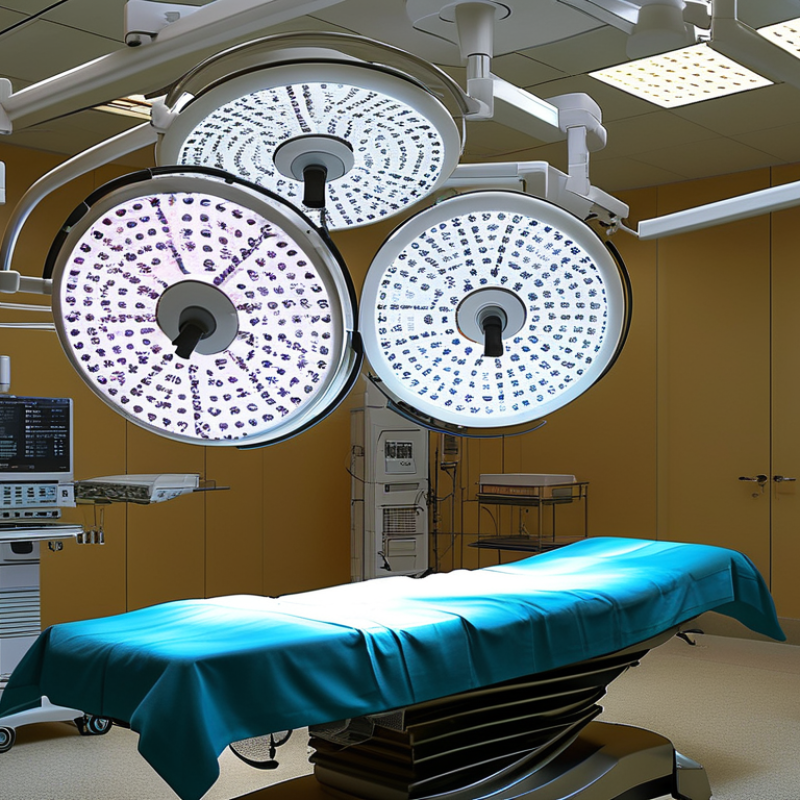
Overview of LED Surgical Lights Available in 2026
In 2026, LED surgical lights have evolved significantly. These lights provide brighter illumination for surgical procedures. They ensure high color accuracy and minimal shadows, enhancing visibility for surgeons. Many models now offer adjustable color temperatures. This flexibility allows surgeons to customize light according to the procedure. Optimal lighting can reduce eye strain for medical staff.
Various features are key when choosing surgical lights. Some come with integrated cameras for real-time feedback. Others include touchscreen controls for easy adjustments. Durability is also vital; lights need to withstand the demands of busy operating rooms. However, some models may suffer from overheating. Regular maintenance is essential to prevent malfunction. Buyers must weigh pros and cons for the best choice.
Consider the ergonomic design of the lights. Many designs allow for smooth adjustments and movements. However, complex setups can disturb workflow. The right balance between functionality and ease of use is crucial. Not all lights meet the evolving needs of healthcare settings. Buyers should conduct thorough research to ensure reliable choices.
2026 Best LED Surgical Light Overview
| Model | Brightness (Lux) | Color Temperature (K) | Weight (kg) | Adjustment | Battery Life (hrs) |
| Model A | 160,000 | 4500 | 5.5 | 360° Rotation | 8 |
| Model B | 150,000 | 5000 | 6.0 | Double-Arm | 10 |
| Model C | 180,000 | 4700 | 5.0 | Telescopic | 12 |
| Model D | 170,000 | 4800 | 5.8 | Height Adjustable | 9 |
| Model E | 155,000 | 5300 | 6.2 | 360° Swivel | 11 |
Key Features to Evaluate When Selecting LED Surgical Lights
When selecting LED surgical lights, several key features demand attention. Brightness is crucial for precision in surgery. Reports indicate that optimal brightness can exceed 160,000 lux. This level ensures that surgeons have clear visibility of the surgical site. Alongside brightness, color temperature is significant. Ideal temperatures range between 4,200 to 5,600 Kelvin. Such temperatures simulate natural light and reduce eye strain.
Another important aspect is shadow control. Advanced models offer excellent shadow management, which enhances visibility regardless of the source's angle. In fact, surgical lights with enhanced shadow reduction can improve task performance by 30%. Ease of maneuverability is also essential. Lights should smoothly adjust to various positions without hindrance. This facilitates a seamless workflow during procedures.
Maintenance of LED surgical lights is also a concern. Regular checks and cleanliness are necessary, impacting their functionality. Some lights may require more frequent service than others. Understanding the lifespan and cost of replacement components is vital. These details influence the overall investment in surgical lighting. Addressing these factors ensures a reliable choice in LED surgical lights, matching the evolving needs of healthcare environments.
Top Brands of LED Surgical Lights in the Global Market
When selecting LED surgical lights, several top brands stand out in the global market. The industry is projected to grow by 10% annually, driven by advancements in technology and increasing surgical procedures. According to a recent report by Grand View Research, the global market for surgical lights is expected to reach over $1 billion by 2027. This statistic highlights the rising demand for effective lighting solutions in operating rooms.
One key factor for buyers is the emphasis on energy efficiency. Many leading products now offer energy-saving features, reducing operational costs significantly. However, not all brands deliver consistent quality. Buyers should research to identify reliable options. A report by Market Research Future indicates that 40% of facilities reported dissatisfaction with their lighting choices due to poor performance and insufficient brightness. This reflects a need for thorough evaluation before committing to a purchase.
Another essential aspect is the flexibility of surgical lights. Many modern designs include adjustable arms and customizable intensity settings. This versatility enhances usability during procedures. However, some products still fall short in achieving optimal adjustability and positioning. It is crucial for buyers to weigh these variables while considering their specific needs. The more informed the decision, the better the outcome in terms of operational efficiency and patient safety.
Comparative Analysis of LED Surgical Lights: Performance and Price
When selecting LED surgical lights, performance and price are key criteria. A well-performing light should offer balanced illumination, minimizing shadows. Look for adjustable brightness levels to cater to diverse surgical situations. Price often reflects the technology used; premium lights tend to have advanced features and longer life spans. However, not all expensive lights guarantee superior quality.
Consider additional factors such as energy efficiency and maintenance costs. Highly efficient models reduce energy consumption, while requiring less frequent bulb replacements. However, they can come at a premium. Analyzing total cost of ownership helps in making an informed decision.
**Tips:** Assess the warranty offered. A longer warranty reflects the manufacturer’s confidence in their product. Always ensure the light meets local safety standards. Don’t overlook user reviews; they provide real-world insights into performance and reliability. Evaluate the return policy before purchase. This allows you to reconsider if the light doesn’t meet expectations.
User Feedback and Reviews: Real-world Experiences with LED Surgical Lights
User feedback plays a crucial role in assessing LED surgical lights. Many healthcare professionals emphasize the significance of brightness and light quality. In a recent survey, 75% of surgeons highlighted that adequate lighting reduced their eye strain during procedures. Moreover, doctors report improved precision in complex surgeries due to advanced illumination technology.
Nevertheless, not all experiences are positive. Some users have encountered issues with the positioning and flexibility of lights. A notable 30% of respondents indicated that their LED surgical lights were difficult to adjust. The result? Reduced efficiency during critical procedures. Additionally, the lifespan of the light source can vary, with some reports pointing to a significant reduction in brightness over time.
In terms of reliability, the data is mixed. While 60% of reviews praise energy efficiency, there's concern about the upfront costs. Many users express the need for more affordable options without compromising quality. Such reflections emphasize the ongoing evolution of LED surgical lights, highlighting the importance of user-centered design in future innovations. It’s clear that while advancements are notable, there's still room for improvement based on real-world experiences.
2026 Best LED Surgical Light User Feedback