Best Integrated Ceiling Lights for Your Home Renovation?
When renovating your home, lighting plays a crucial role. Integrated Ceiling Lights offer a seamless blend of functionality and style. These fixtures enhance the mood of any room while providing ample illumination. They are sleek and can fit various design aesthetics, making them a go-to choice for many homeowners.
Choosing the right Integrated Ceiling Lights can be challenging. With so many options, deciding on style and brightness can become overwhelming. It's important to consider the size of the room and the desired ambiance. Too bright, and it feels harsh; too dim, and it lacks warmth. Investigating brands and materials can also yield mixed results. Not every type fits every space, and placement matters.
Integrated Ceiling Lights can transform your home’s atmosphere. They highlight architectural features and create an inviting environment. However, installation can be tricky, and improper placement might lead to shadows or uneven lighting. Careful planning and consideration are essential for achieving the desired effect.
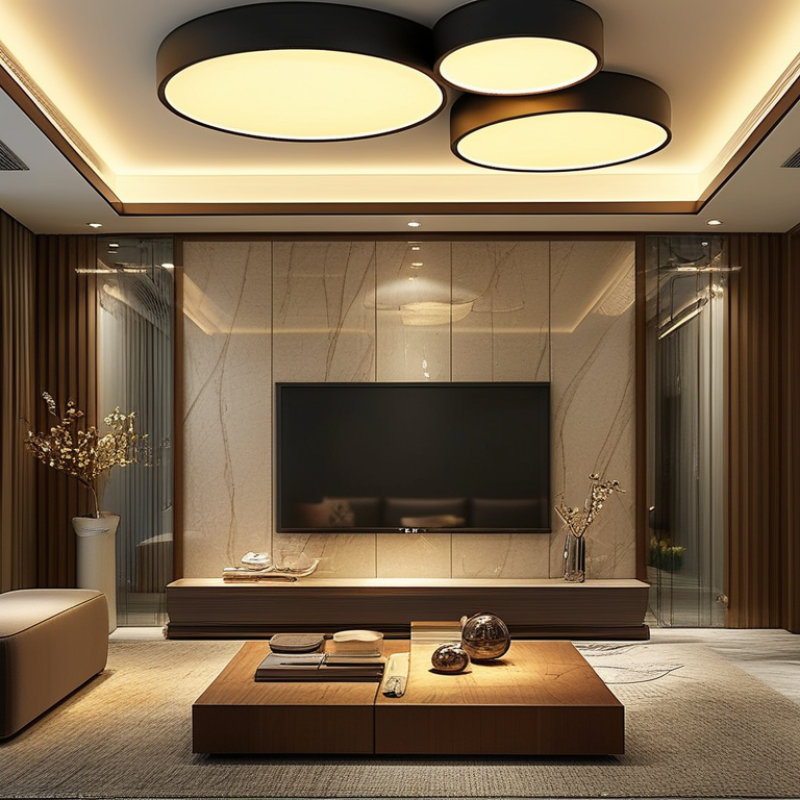
Types of Integrated Ceiling Lights Suitable for Home Renovations
When planning a home renovation, integrated ceiling lights offer both functionality and style. These fixtures are installed flush against the ceiling, providing a seamless look. They fit well in various spaces, including kitchens, living rooms, and hallways. Each type serves a unique purpose and adds character to your interior design.
There are multiple types of integrated ceiling lights to consider. Recessed lighting is popular for creating a clean, modern aesthetic. These lights blend into the ceiling and offer adjustable angles. Surface-mounted lights are another option, providing a broader spread of illumination. They are easier to install and work well in rooms with lower ceilings. For a more decorative touch, pendant lights can enhance dining areas or entryways, adding elegance and warmth.
Selecting the right fixture often poses challenges. The choice of color temperature can significantly impact a room's atmosphere. Cooler lights may be ideal for task-oriented spaces, while warmer tones create a cozy ambiance. Balancing functionality and design is essential. A mismatch between the light type and room decor may spoil the overall look. Careful consideration of the lighting layout can make or break your renovation project.
Best Integrated Ceiling Lights for Your Home Renovation
| Type | Brightness (Lumens) | Color Temperature (K) | Energy Efficiency (W) | Suitable Room |
| Recessed Lights | 800 - 1200 | 3000 - 5000 | 10 - 15 | Living Room, Kitchen |
| Flush Mount Fixtures | 500 - 1000 | 2700 - 3500 | 12 - 20 | Bedroom, Hallway |
| Pendant Lights | 600 - 1500 | 3500 - 4000 | 15 - 30 | Dining Room, Kitchen Island |
| Track Lighting | 800 - 1600 | 3000 - 5000 | 20 - 40 | Art Gallery, Living Room |
| Chandeliers | 800 - 2000 | 2700 - 3500 | 15 - 30 | Dining Room, Foyer |
Key Features to Consider When Selecting Integrated Ceiling Lights
When selecting integrated ceiling lights, consider brightness, energy efficiency, and design. Brightness is crucial for functionality. Aim for fixtures that offer adjustable LED technology. According to the U.S. Department of Energy, LED lights can be up to 80% more efficient than traditional bulbs. This efficiency translates to lower energy bills and a reduced carbon footprint.
Another key feature is the color temperature of the lighting. A warmer hue can create a cozy atmosphere, while cooler tones are ideal for tasks or modern decor. Research shows that spaces lit with adjustable color temperatures can enhance productivity. So, think about how the color of your ceiling lights affects the room's purpose.
Tips to keep in mind: not all ceilings are the same. Consider the height and style of your ceiling when choosing your fixtures. Low ceilings may require flush mounts to avoid making the space feel cramped. Also, pay attention to the beam angle of the light; wider angles can illuminate larger areas effectively. Balancing these factors will result in a well-lit, inviting space that fits your needs. Always gather feedback from others to ensure the lighting choice is effective and pleasing.
Top Brands and Models of Integrated Ceiling Lights Reviewed
When considering integrated ceiling lights for home renovations, a variety of factors come into play. Integrated ceiling lights provide a seamless appearance and save on bulky fixtures commonly used in traditional lighting. A recent industry report indicated that over 50% of homeowners are opting for integrated lighting solutions due to their energy efficiency and sleek design. These lights can enhance any room's aesthetic while also consuming less power.
Quality plays a vital role in choosing the right fixtures. When reviewing top models, energy ratings, longevity, and customer feedback are key elements to assess. Many integrated lights now offer lifespans exceeding 25,000 hours, significantly reducing the frequency of replacements. However, some consumers report that initial costs may deter them. Yet, considering long-term savings makes integrated lighting appealing in the end.
Additionally, brightness levels and color temperatures can lead to varying experiences. Some users find certain models too harsh for living spaces, while others appreciate the clarity. Feedback indicates that adjustable brightness features could improve satisfaction. Thus, consumers are encouraged to reflect on their specific lighting needs before making a purchase decision.
Installation Tips for Integrated Ceiling Lights in Home Renovation Projects
When considering integrated ceiling lights for your home renovation, installation is key. Proper placement can dramatically change a room's ambiance. Start by mapping out your space. Identify areas that need light, such as kitchens and living rooms. Ensure the fixtures are evenly distributed to avoid dark spots.
Before installation, check your ceiling type. Different materials may require specific mounting techniques. Use a stud finder to locate joists. This prevents any structural issues. Remember to comply with local electrical codes. Hiring a professional may be wise if you lack experience.
Consider the height of your ceiling. Too low can cause discomfort, while too high may waste light. Pay attention to the wattage and color temperature of the bulbs. A warm tone often creates a cozy atmosphere, while a cooler tone can look modern. Take your time to think through these choices. Mistakes can lead to costly adjustments later.
Energy Efficiency and Cost Savings with Integrated Ceiling Lighting
Integrated ceiling lights have become a popular choice for home renovations due to their energy efficiency. They provide a clean, modern look while consuming less energy. Utilizing LED technology, these lights offer significant savings on electricity bills. Homeowners often report a reduction in energy costs by up to 80%. This is a remarkable benefit that cannot be overlooked.
Installing integrated lighting can be straightforward. However, precise placement remains critical. Poorly positioned lights may cast unwanted shadows. It’s essential to consider the height and layout of your rooms. Inadequate lighting can lead to frustration. Choosing the right brightness levels is also vital. Too bright can be harsh, and too dim may create an uninviting atmosphere.
When selecting integrated ceiling lights, research is crucial. Not all fixtures are created equal. Look for options that prioritize longevity and low maintenance. Understanding lumens and color temperature can also improve your choices. Striking the right balance between aesthetics and function can be challenging. Take your time to reflect on your unique space and preferences.