10 Best Demineralized Water Machines for Global Buyers?
In today's world, the demand for pure water is unprecedented. According to the Global Water Market report, the global demineralized water market is projected to grow significantly by 2025. This surge is primarily due to increasing awareness about water quality and the health implications of consuming impure water. Demineralized water is essential in various industries, including pharmaceuticals, electronics, and food processing.
Choosing the right Demineralized Water Machine can significantly impact water quality and operational efficiency. However, many buyers face challenges in selecting the best option. With a variety of machines available, it is crucial to consider factors such as capacity, purity level, and maintenance requirements. Expert reviews indicate that high-quality machines are not only more effective but also more economical in the long run.
While the advantages of these machines are clear, potential users must reflect on their specific needs. Not all machines deliver the same performance, and some might lack critical features for particular applications. This guide aims to provide insights into the 10 best demineralized water machines that cater to diverse requirements in the global market.
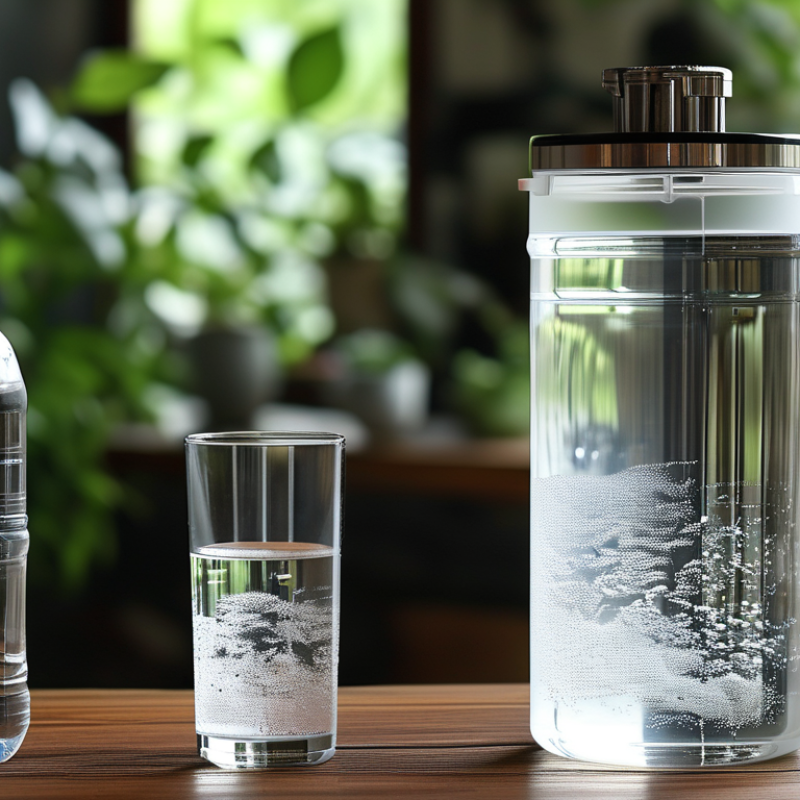
Understanding Demineralized Water: Definition and Industrial Applications
Demineralized water, often referred to as deionized water, is water that has had its mineral ions removed. This process typically involves techniques like ion exchange, distillation, or membrane filtration. In industrial settings, the demand for demineralized water is significant. According to a report by Markets and Markets, the global demineralized water market is projected to reach $16.5 billion by 2025. This growth is driven by its diverse applications.
Industries like pharmaceuticals, electronics, and food processing significantly rely on demineralized water. For instance, in pharmaceuticals, high-purity water is crucial for drug formulation and equipment cleaning. A study from the International Journal of Pharmaceutical Sciences emphasizes that contaminants can alter drug effectiveness. In electronics, even trace minerals can damage components during manufacturing. This highlights the importance of having demineralized water in these sectors.
While the benefits are clear, challenges exist. The demineralization process can be costly and energy-intensive. Moreover, the quality of the water produced can vary based on the technology used. Organizations must regularly assess their systems to ensure optimal performance. Focusing on efficiency and implementation of best practices is essential for maximizing the benefits of demineralized water.
10 Best Demineralized Water Machines for Global Buyers
| Model | Capacity (L/h) | Power (W) | Type | Price (USD) |
| Model A | 150 | 2000 | Reverse Osmosis | 350 |
| Model B | 200 | 2500 | Distillation | 450 |
| Model C | 100 | 1800 | Deionization | 300 |
| Model D | 250 | 3000 | Multi-Stage | 600 |
Key Features to Consider When Choosing a Demineralized Water Machine
When considering a demineralized water machine, several key features stand out. The filtration efficiency is paramount. Look for machines that can remove over 99% of dissolved minerals. This ensures the water produced maintains high purity, ideal for various applications. According to a recent industry report by the Water Quality Association, effective filtration can improve water’s taste and suitability for drinking.
Another factor is the machine's capacity. Select a unit that meets your daily water needs. For households, a smaller capacity might suffice. Conversely, larger setups are necessary for industrial applications. The right capacity ensures that the system operates efficiently without frequent interruptions. Always consider the energy efficiency ratings as well. Machines with eco-friendly features can significantly reduce operational costs and environmental impact.
Tip:
Regular maintenance is essential. Clean the filters and tanks according to manufacturer guidelines. Failing to do so can lead to a decrease in water quality.
Tip:
Monitor your water's mineral content post-filtration. Sometimes, even the best machines can produce water with unexpected levels of minerals. Adjustments may be necessary as water sources can change over time.
Top 10 Demineralized Water Machines: Performance and Efficiency Ratings
Choosing the right demineralized water machine is crucial for various applications. These machines play an essential role in producing pure water for industries, laboratories, and even personal use. Performance and efficiency ratings allow buyers to evaluate different models based on their needs. Factors such as purification speed, water quality, and maintenance requirements significantly impact user satisfaction.
When examining these machines, consider how the filtration process works. Some machines use reverse osmosis, while others may involve distillation methods. Each has its own efficacy and energy consumption rates. Efficiency ratings can help you determine the long-term value of your investment. Higher efficiency often means lower operating costs, but it may come with a higher initial price tag.
It’s essential to reflect on user experiences and reviews. Many users share that their chosen machines perform well, but some face challenges such as frequent filter changes or noise levels. It’s a good practice to research complaints and praises alike. Understanding both sides can lead you to a balanced decision. The market offers a myriad of options, making it important to prioritize what matters most for your specific needs.
Comparative Analysis of Cost and Maintenance for Leading Models
When exploring demineralized water machines, cost and maintenance are crucial. A reliable unit may range from budget-friendly to premium prices. Assess your needs carefully; a more expensive machine often justifies its cost through enhanced features or longevity.
Regular maintenance is vital. Some models require frequent filter changes, which can add to overall expenses. It’s important to consider the availability of replacement parts. A machine that is hard to maintain may lead to frustration.
Tips: Always check user reviews. They reveal common issues that manufacturers may not disclose. Understand the warranty. A solid warranty can be a lifesaver if unexpected problems arise. Lastly, keep an eye on water purity levels. Regular testing ensures you're getting the best quality. This attention to detail can prevent costly health implications down the line.
Future Trends in Demineralized Water Technology and Market Growth Predictions
The demand for demineralized water is rising globally. Industries such as pharmaceuticals and electronics increasingly require high-purity water. This shift drives research and innovation in demineralization technologies. Advanced systems, including reverse osmosis and ion exchange, are becoming more efficient. New materials and methods emerge to enhance performance and reduce costs.
Environmental concerns play a significant role in the market's future. There is a growing need for sustainable water treatment solutions. Many manufacturers are exploring eco-friendly practices. They look for ways to minimize waste and energy consumption. Predicting growth trends is complex. Market fluctuations can affect research funding. Yet, the overall outlook remains positive. Companies are investing heavily in better technology.
Consumer awareness is changing buying patterns as well. More buyers are informed about quality and sustainability. This awareness leads to higher expectations for products and services. However, some technologies still have limitations. Not all systems are easy to maintain. Users often report challenges with usability. Such reflections are essential for future improvements.