Best Ball Bearing Types for Smooth Performance?
Ball Bearings play a crucial role in many machines and devices. They enable smooth rotation, reduce friction, and enhance overall performance. Various types of ball bearings can be found in countless applications. Selecting the right one can greatly affect efficiency and longevity.
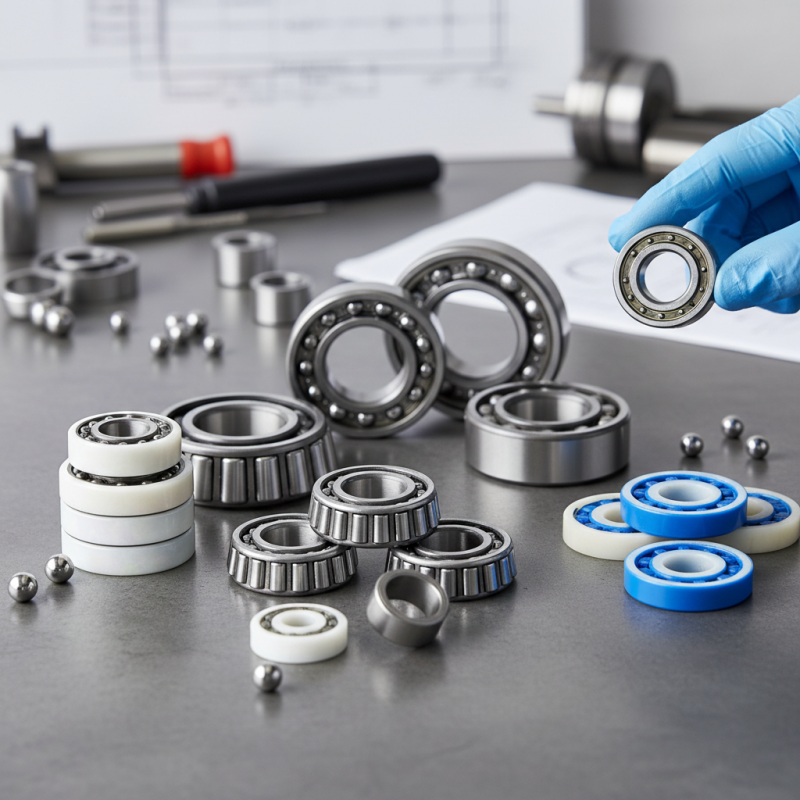
Different materials and designs impact the effectiveness of a ball bearing. Steel, ceramic, and plastic are commonly used. Each material offers unique benefits and potential drawbacks. For instance, while steel ball bearings are strong, they may rust over time. Ceramic options resist wear but can be fragile under heavy loads.
Understanding the specific needs of your application is essential when choosing ball bearings. Factors like load capacity, speed, and environmental conditions matter significantly. This choice may seem straightforward, yet it often involves trial and error. Reflecting on performance can lead to better decisions and smoother operation.
Types of Ball Bearings: Overview and Applications
When discussing ball bearings, there are several types to consider. Each type serves a specific purpose. The most common types include deep groove, angular contact, and self-aligning ball bearings. Deep groove bearings are versatile. They handle both radial and axial loads well. They are widely used in machinery.
Angular contact ball bearings specialize in handling axial loads. They are often found in high-speed applications. Their design allows them to support various orientations. Self-aligning ball bearings can adjust to misalignments. This feature prolongs their lifespan in complicated setups. These bearings are essential in applications where precision is crucial.
Choosing the right type can be tricky. Some may find it challenging to narrow down the options. Misjudging the load capacity could lead to failures. Understanding the intended application is vital. Evaluating the environment where the bearings will operate can also impact performance. Proper selection enhances operational efficiency but requires careful thought.
Best Ball Bearing Types for Smooth Performance
| Type of Ball Bearing | Description | Applications | Load Capacity |
| Deep Groove Ball Bearing | Versatile bearing suitable for high speeds | Electric motors, gearboxes | Moderate to high |
| Angular Contact Ball Bearing | Designed to manage both radial and axial loads | Spindles, machine tool heads | High |
| Self-Aligning Ball Bearing | Allows for misalignment of the shaft | Pumps, automotive applications | Moderate |
| Thrust Ball Bearing | Handles axial loads in one direction | Automotive applications, cranes | Low to moderate |
| Ceramic Ball Bearing | Made from ceramic materials for high performance | High-speed applications, robotics | Very high |
Differences Between Shielded, Sealed, and Open Ball Bearings
When it comes to ball bearings, the choice between shielded, sealed, and open types can significantly affect performance. Shielded ball bearings contain metal shields on one or both sides. These shields prevent dirt and debris from entering while allowing for minimal lubrication. They are easy to maintain but might not offer full protection against water.
Sealed ball bearings, on the other hand, provide the tightest protection. They come with rubber seals that keep contaminants out and retain lubrication longer. However, this can also lead to a bit of extra friction. The sealing can sometimes trap heat, leading to potential issues in high-speed applications. In contrast, open ball bearings lack any shields or seals, offering easy access for lubrication. They perform well in clean environments but can wear out quickly if exposed to dirt or moisture.
Choosing the right type is not always straightforward. Each has its benefits and drawbacks. Users should consider the environment where the bearings will be used. What may work efficiently in one application might fail in another. This decision often requires careful thought and, sometimes, a bit of trial and error. The goal is to find the balance between protection and performance.
Best Ball Bearing Types for Smooth Performance
This chart illustrates the friction coefficient of different types of ball bearings, highlighting the performance differences between shielded, sealed, and open ball bearings. A lower friction coefficient indicates smoother performance.
Materials Used in Ball Bearings: Pros and Cons
When selecting ball bearings, the material plays a crucial role in performance. Common choices include steel, ceramic, and plastic. Each material has unique characteristics. Steel bearings are durable and widely used, but can corrode over time. Ceramic bearings are lightweight and resistant to wear. However, they can be more brittle. Plastic bearings resist chemicals but may not handle heavy loads well.
Consider the environment where the bearing will be used. If moisture is a concern, stainless steel might be suitable. For high-speed applications, ceramic is often preferred. While exploring materials, keep in mind their limitations.
Tip: Always evaluate your specific needs. Analyze factors like load, speed, and environment before making a decision.
Regular maintenance is essential for longevity. Clean the bearings periodically. This simple action can prevent buildup that leads to failure.
Tip: Don’t overlook lubrication. Proper lubrication can reduce friction significantly. Choose the right lubricant based on the material to enhance performance.
Factors Influencing Ball Bearing Performance and Lifespan
When it comes to ball bearings, several factors significantly impact their performance and lifespan. Material quality is crucial. High-quality steel or ceramic can reduce wear and tear, enhancing longevity. Smooth surfaces lead to better rolling, minimizing friction. Poorly finished surfaces can lead to premature failure. It’s vital to select the right materials based on the application.
Installation also plays a key role. Misalignment or improper fitting can cause excessive load. This may result in noise or even complete failure over time. Regular maintenance is essential, yet many overlook it. A simple cleaning can extend the life of the bearing significantly. Additionally, temperature influences performance. High heat can degrade lubricants, which can lead to increased friction.
Environment matters as well. Dust and moisture can infiltrate and damage bearings. Using seals or shields can protect against contaminants. However, some people neglect this aspect. They assume any bearing will work in any environment. This misconception can lead to costly repairs. Understanding these factors can help users choose the right components for optimal performance.
Choosing the Right Ball Bearing for Your Mechanical Needs
Choosing the right ball bearing is crucial for any mechanical project. Different applications require specific bearing types for optimal performance. For example, deep groove ball bearings are versatile. They handle both radial and axial loads effectively.
Consider the environment where the bearing will operate. Factors like temperature and moisture can impact durability. If it's exposed to dust, sealed or shielded bearings are a better choice. Every option has trade-offs. For instance, while ceramic bearings are lightweight, they tend to be more expensive.
Reflect on your project’s needs. A bearing that seems perfect might not be suitable in practice. Testing is essential to understand how each type performs under real conditions. This exploration ensures you choose a bearing that meets both performance and longevity demands.