Best Asphalt Mixing Plant for Global Buyers in 2026?
In 2026, the asphalt mixing plant market is expected to undergo significant transformations. According to a recent industry report by MarketsandMarkets, the global asphalt mixing plant market is projected to reach $3.9 billion by 2026, growing at a CAGR of 3.2% from 2021. This growth is driven by increased infrastructure projects worldwide and the rising demand for high-quality asphalt solutions.
As global buyers seek efficiency, modern asphalt mixing plants offer advanced technologies. Features such as modular design and eco-friendly processes enhance productivity. Moreover, the integration of digital tools allows for better monitoring and maintenance. However, potential buyers must navigate challenges, including varying regulations and local preferences.
Understanding these dynamics is crucial for making informed purchasing decisions. Whether choosing a stationary or mobile plant, buyers should consider local operational conditions. The importance of quality and reliability cannot be overstated, as improper investments can lead to significant losses. Ultimately, selecting the right asphalt mixing plant in 2026 involves balancing innovation and practicality.
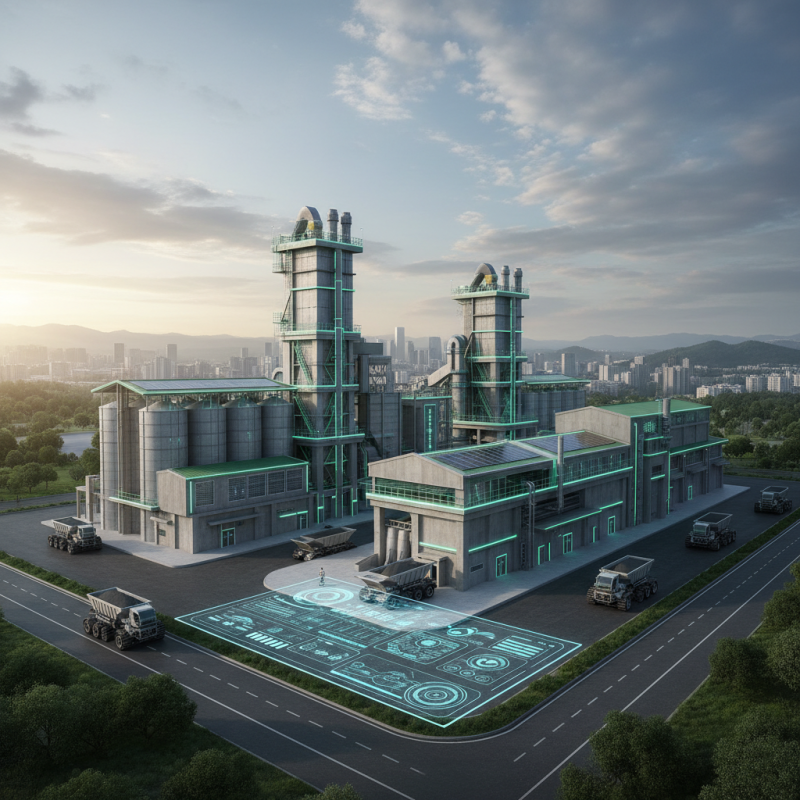
Factors Influencing the Selection of Asphalt Mixing Plants in 2026
When selecting an asphalt mixing plant in 2026, various factors come into play. The capacity of the plant is crucial. Buyers need to align capacity with the scale of their projects. Too small a plant may lead to delays, while an oversized unit is an unnecessary cost. A balance must be struck, and understanding project needs is essential.
Another vital factor is technology. Advanced mixing technologies can enhance efficiency and reduce emissions. Buyers should evaluate features that improve performance and environmental compliance. It’s beneficial to consult industry experts to gain insights into the latest advancements. Additionally, cost-effectiveness cannot be overlooked. Evaluating both initial costs and long-term operational expenses helps in making informed decisions.
Moreover, the reliability of the supplier is often underestimated. A reputable supplier offers more than just equipment. They provide support, spare parts, and service knowledge. This can greatly influence the operation of the plant over its lifetime. Additionally, consider whether the supplier understands global market trends. Overall, ensuring the asphalt mixing plant meets specific needs involves assessing various dynamic factors.
Emerging Technologies in Asphalt Mixing: Insights for Global Buyers
As the global construction industry evolves, emerging technologies are transforming asphalt mixing plants. In 2026, buyers will seek plants that integrate digital solutions and sustainability. Innovations like IoT (Internet of Things) sensors help monitor equipment performance in real time. This data-driven approach enhances efficiency and reduces operational costs.
Investing in eco-friendly materials is crucial. Many plants now utilize recycled asphalt, diminishing the environmental impact. Buyers should consider the carbon footprint of the products they choose. Advanced mixing techniques can cut energy consumption by up to 30%.
Tip: Evaluate the automation features of asphalt mixing plants. Semi-automated systems can ease operator burden and increase precision. Moreover, focusing on easy maintenance design is essential for minimizing downtime.
When choosing a plant, consider the technology's adaptability. Some systems may become obsolete quickly due to rapid advancements. It's important to balance cutting-edge features with reliability. Make sure to consult industry experts to gain insights on future trends in asphalt technology.
Market Trends Affecting Asphalt Mixing Plant Investments in 2026
Investing in asphalt mixing plants requires understanding market trends. In 2026, many factors will influence buyer decisions. Sustainability is becoming a priority. As regulations tighten, more companies seek eco-friendly solutions. The demand for recycled materials is on the rise. This shift affects production processes and operational costs.
Technological advancements are also shaping the industry. Smart technologies improve efficiency and reduce waste. Companies that adopt these innovations can optimize their output. However, investment in technology may seem daunting for many. Evaluating return on investment remains a challenge. Not all businesses can keep pace with rapid changes.
Economic factors play a crucial role, too. Inflation and material costs impact budgets for infrastructure projects. Engaging with local suppliers may mitigate some risks. But, the unpredictability of market conditions makes long-term planning difficult. Many buyers must navigate these complexities to make informed decisions.
Top Manufacturers of Asphalt Mixing Plants: A Comparative Analysis
As the global demand for asphalt mixing plants continues to grow, buyers are presented with various options in 2026. A comparative analysis of top manufacturers reveals critical factors influencing market decisions. According to a recent industry report, the market for asphalt mixing plants is projected to reach $6.5 billion by 2026. This growth is driven by increasing infrastructure development globally.
When examining the top manufacturers, aspects like production capacity and technology adoption stand out. High-quality plants demonstrate advanced features like better fuel efficiency and reduced emissions. The strategies of these manufacturers often highlight the balance between cost-effectiveness and quality. However, buyers should reflect on their specific needs rather than relying solely on brand reputation.
Tips: Always assess the long-term lifespan and maintenance costs of a plant. These elements can significantly impact total ownership costs. Additionally, consider the technological advancements offered, as more efficient plants can lower operating costs. In an industry where regulations are constantly evolving, the adaptability of the equipment is also crucial. Buyers need to remain vigilant about sustainability practices within their chosen plants.
Sustainability Considerations in Asphalt Plant Equipment for 2026
In 2026, sustainability in asphalt mixing plants will remain vital for global construction. The industry faces growing pressure to reduce carbon footprints. The market is shifting towards more eco-friendly technologies. Recent reports indicate a 30% increase in demand for sustainable asphalt solutions.
Operators can save significant costs with energy-efficient equipment. Advanced plants now utilize warm mix asphalt, reducing emissions by 40%. However, challenges remain. Many producers still rely on traditional methods. Transitioning to greener technology requires serious investment. This issue forces many companies to pause and reflect.
Tip: Conduct a cost-benefit analysis before upgrading equipment. Invest in technology that aligns with sustainability goals while meeting budget constraints.
Innovative materials like recycled asphalt pavement (RAP) are gaining traction. Reports highlight that using RAP can cut material costs by up to 20%. Yet some buyers remain hesitant. Concerns about quality and consistency persist. Achieving the right balance between sustainability and performance is crucial.
Tip: Engage with suppliers who prioritize sustainability. Look for data and case studies that demonstrate effective practices.