2026 Best ABA Blown Film Machine for High Quality Production?
In the competitive landscape of plastic production, the "aba blown film machine" stands out as a vital player. Experts in the field emphasize its role in enhancing quality and efficiency. John Smith, a renowned consultant in the industry, states, "The right ABA blown film machine can redefine production standards."
High-quality production requires precision and innovative technology. Recent advancements have made these machines more reliable and user-friendly. Manufacturers are increasingly seeking the best models available. However, not every machine meets these high expectations. Companies must invest time in researching options.
As the market evolves, adaptability becomes crucial. Some businesses overlook the importance of regular upgrades. Choosing the best aba blown film machine isn’t merely about price. It’s about ensuring the longevity and efficiency of production. Each manufacturer must reflect on their specific needs and goals. In an ever-changing industry, there is no perfect answer, just continuous improvement.
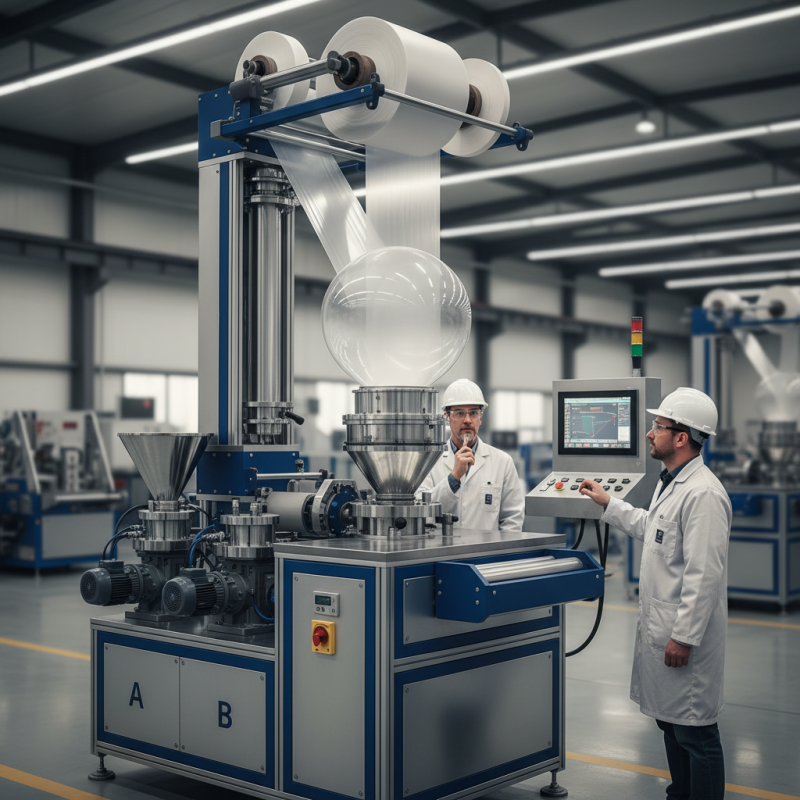
Key Features of the 2026 Best ABA Blown Film Machine for Quality Production
The 2026 Best ABA Blown Film Machine is engineered for high-quality production. It boasts an array of features that enhance efficiency and output. Key among these is a dual-layer design that allows for improved blend flexibility. Data indicates that machines featuring dual-layer technology can minimize waste by up to 15%. Moreover, the automated controls enable real-time adjustments, optimizing parameters such as temperature and pressure.
The material compatibility of this machine also stands out. It can process various resin types, including linear low-density polyethylene (LLDPE) and low-density polyethylene (LDPE). This versatility aligns with industry demands for sustainable and high-performance materials. Reports suggest that over 40% of manufacturers are shifting toward eco-friendly materials. This transition raises questions about machine adaptability. Can all machines handle the shift?
Another crucial aspect is energy efficiency. The 2026 model is designed to reduce energy consumption by approximately 25%, a significant factor in cutting operational costs. However, addressing initial setup and training challenges remains essential. Companies must invest time to fully harness the machine's capabilities. Balancing efficiency with human resources is critical in this evolving landscape.
Advantages of ABA Blown Film Technology in Modern Manufacturing
In modern manufacturing, ABA blown film technology stands out for its remarkable advantages. This technique enhances film quality and efficiency, making it a preferred choice. By layering materials, it increases strength and flexibility. These properties result in films that are lighter yet durable. The ability to produce various thicknesses adds to its utility in diverse applications.
A notable aspect of ABA technology is its environmental impact. Using fewer raw materials reduces waste and lowers energy consumption. However, some may question if the potential savings justify the initial investment in advanced machinery. Manufacturers must assess their long-term benefits, weighing costs against the benefits of high-quality production.
While ABA blown film technology offers promising solutions, challenges remain. Not all films produced meet strict quality standards. Variations in settings can lead to inconsistencies. It’s essential for manufacturers to refine their processes continually. Embracing innovation is crucial, but so is addressing imperfect outcomes. This balance is vital for staying competitive in a fast-evolving market.
Top Manufacturers of ABA Blown Film Machines in 2026
As we approach 2026, the demand for high-quality ABA blown film machines continues to rise. These machines play a crucial role in the production of films used in various industries. Top manufacturers are focusing on innovation and efficiency. Many of them prioritize energy-saving features, aiming to reduce production costs and environmental impact. However, balancing performance and sustainability can be challenging.
Some manufacturers are also exploring advanced technology. The integration of automation is becoming common. This allows for faster production rates and improved consistency in film quality. Yet, not all companies have successfully adapted to these changes. Some still rely on outdated methods, risking their market position. This illustrates the need for constant evolution in manufacturing practices.
Issues related to maintenance and service remain prevalent among many operators. Regular upkeep is critical to ensure longevity and efficiency. However, some facilities neglect this aspect, which can lead to unexpected downtimes. Additionally, aligning machine capabilities with user needs is not always straightforward. Manufacturers must engage with end-users to better understand their requirements and adjust accordingly.
Comparative Analysis of Cost and Efficiency in ABA Blown Film Production
In the realm of ABA blown film production, the balance between cost and efficiency is crucial. These machines offer versatility in producing high-quality films with excellent barrier properties. However, costs can vary significantly based on the model and its features. A basic machine may seem affordable, but it often lacks efficiency. Machines that promise high output might have a steep initial investment.
When analyzing efficiency, it’s essential to consider the operational aspects. Cycle times, material waste, and energy consumption heavily influence production costs. A machine with faster cycle times may reduce labor costs but could consume more energy. It’s vital to evaluate if the increased speed justifies the energy expenditure. Sometimes, producers find themselves stuck with outdated equipment that burdens their finances.
Balancing cost-effectiveness with quality production isn't straightforward. Some may discover that investing in a more sophisticated machine pays off in the long run. Less experienced users might overlook maintenance requirements, causing inefficiencies. Ultimately, each producer must assess their unique needs and market demands while reflecting on their long-term production goals. Choosing the right ABA blown film machine is more complex than it seems.
Future Trends in ABA Blown Film Machinery and Production Techniques
The ABA blown film market is evolving. Emerging production techniques promise higher quality outputs. Recent industry reports highlight that the global blown film market is projected to reach $5.5 billion by 2026. The demand for thinner films with enhanced barrier properties is rising.
Sustainability is driving innovations. Manufacturers increasingly seek biodegradable materials. However, the transition poses challenges. Finding suitable materials that maintain performance is difficult. Moreover, upgrading existing machinery can be costly. A survey showed that 58% of producers feel unprepared for the shift to sustainable practices.
Automation is another trend impacting the sector. Smart machinery integrated with IoT can streamline production. Yet, many companies struggle to implement these technologies. A lack of skilled personnel hinders progress. The gap between technology and workforce capabilities must be addressed.