What Are the Benefits of Tensile Fabric Roof Solutions?
Tensile Fabric Roof solutions are gaining significant traction in the construction industry. Recent studies indicate a growing preference for these designs due to their aesthetic appeal and versatility. According to a report by the Architectural Institute, the global market for tensile structures is expected to grow by 10% annually through 2025. This shift can be attributed to their lightweight construction and ability to span large distances without internal supports.
The benefits of Tensile Fabric Roof systems extend beyond their visual impact. They offer impressive energy efficiency, reducing heat absorption by up to 30%. This feature leads to lower energy costs and a more sustainable building footprint. Moreover, these roofs are designed to withstand harsh weather conditions, ensuring durability and longevity.
However, there are challenges to consider. Installation requires specialized knowledge and skills, and weather-related wear can affect performance. It is crucial for builders to partner with experienced professionals to maximize benefits and minimize risks. The advantages of Tensile Fabric Roof solutions are clear, but careful planning and execution are necessary to fulfill their potential.
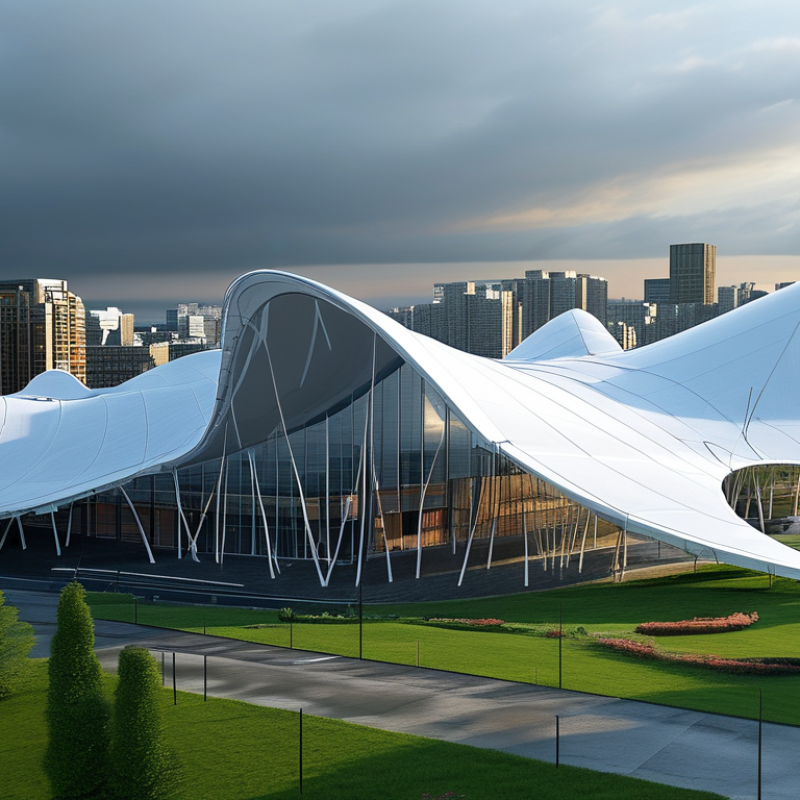
Overview of Tensile Fabric Roof Solutions
Tensile fabric roof solutions have gained popularity for their unique aesthetic appeal and functional benefits. These structures use flexible fabric materials stretched over a framework. This creates visually striking designs while allowing for ample natural light. The versatility of tensile fabric makes it suitable for various applications, from stadiums to outdoor pavilions.
Tensile roofs excel in areas where traditional materials may fall short. They allow for large, column-free spaces, enhancing usability. Their lightweight nature can reduce construction costs and time. Additionally, these roofs can act as effective insulation, helping regulate indoor temperatures. It's essential to consider the local climate when designing these solutions, as weather conditions may impact performance.
Tips: When selecting a tensile fabric, evaluate its durability and UV resistance. Regular maintenance is crucial for longevity. Observe how different designs interact with light and shadows. This can significantly affect aesthetics and functionality.
The installation process of tensile fabric roofs requires skilled professionals. Incorrect installation can lead to premature wear or structural failures. Always prioritize hiring experienced contractors for your project. Take the time to reflect on project goals and design preferences. This will guide you towards making informed decisions throughout the process.
Durability and Weather Resistance of Tensile Fabrics
Tensile fabric roofs are gaining popularity due to their durability and weather resistance. These structures endure harsh conditions. They can withstand heavy winds, rain, and even snowfall. The tensile strength in these fabrics allows them to flex without breaking. This flexibility helps prevent the accumulation of water and debris.
In addition to weather resilience, tensile fabrics are designed for longevity. They resist fading and tearing, ensuring a long lifespan. UV stability is key; it helps maintain the fabric's quality over years of exposure. Interestingly, while tensile roofs are strong, they require regular inspection. Wear and tear can go unnoticed, and maintenance is essential for optimal performance.
These roofs are also lightweight, making them easier to install. However, this can lead to misconceptions about their strength. It is vital to understand the proper engineering principles involved. A well-designed tensile fabric roof can offer beautiful and safe shelter. It combines aesthetics with functionality, creating spaces that are not only inviting but equipped to handle the elements.
Aesthetic Appeal and Design Flexibility in Architecture
Tensile fabric roofs offer remarkable aesthetic appeal and design flexibility that architects cherish. Their unique shapes and translucent qualities create stunning visual effects. According to a recent report by the Fabric Structures Association, tensile structures can reduce overall building costs by up to 30%. This efficiency stems from the lightweight materials and innovative designs.
Architects can craft unique forms, allowing them to push the boundaries of traditional architecture. Tensile roofs can span large distances without columns, enhancing open spaces. However, achieving the perfect tension and stability can pose challenges. Precise calculations and skilled installation are vital. Any miscalculations can lead to issues later on, impacting both safety and aesthetics.
Moreover, the vibrant colors and surface textures of tensile fabrics contribute to a building's identity. They can adapt to various environments, from urban settings to natural landscapes. However, the longevity of these structures often depends on the materials used and local weather conditions. Maintenance can also require careful planning and resources. Selecting the right fabric is crucial for durability and performance, ensuring the design withstands time.
Cost-Effectiveness of Tensile Fabric Roofing Solutions
Tensile fabric roofing offers an attractive solution for various construction needs. One of its standout features is cost-effectiveness. Traditional roofing materials can be expensive. In contrast, tensile fabrics are often lighter and easier to install. They can significantly reduce labor costs. This efficiency appeals to many project managers looking to stay within budget.
The longevity of tensile fabric roofs also contributes to savings. They require less maintenance than conventional roofing types. Materials resist weather elements well, reducing the frequency of repairs. This durability makes them a smart investment for long-term use. However, it's crucial to consider local climate conditions. In some areas, specialized treatments may be necessary.
While tensile fabric roofing can seem pricey upfront, the overall savings often outweigh initial costs. Buyers should evaluate the whole life cycle. Understanding every aspect, from installation to maintenance, is essential. This approach leads to informed decisions. Still, exploring additional options and comparing them can help solidify confidence in this choice.
Environmental Benefits of Using Tensile Fabric Roofs
Tensile fabric roofs offer significant environmental benefits. They are lightweight and require less material compared to traditional roofing options. This reduction in materials translates to lower carbon emissions during production. Furthermore, these roofs often feature high reflectivity, which helps reduce urban heat. Less heat means lower energy consumption for cooling buildings.
These roofs are also durable and require less maintenance. They can withstand harsh weather conditions, leading to fewer replacements over time. However, they do need proper installation and maintenance to ensure longevity. Without care, these structures may face wear and tear more quickly than expected.
Moreover, tensile fabric roofs can be designed with recyclability in mind. When their life cycle ends, they can be repurposed or recycled, minimizing waste. Designing for sustainability is crucial in today’s world, yet many overlook this aspect. Environmental awareness continues to grow, and integrating more sustainable choices is essential for the future.