
Top 10 Benefits of Industrial Automatic Transfer Switches?

Industrial Automatic Transfer Switches (ATS) play a crucial role in modern power systems. These devices ensure a seamless transition of power during an outage, which is vital for industries that rely on continuous operation. The flexibility and reliability of an ATS enhance operational efficiency, safeguarding critical equipment from unexpected power failures.

Many businesses overlook the importance of having an industrial ATS. They may underestimate the risks associated with power disruptions. Without a reliable transfer switch, companies face potential downtime and financial losses. An industrial ATS minimizes these risks, protecting both operations and profits.

Investing in an Industrial Automatic Transfer Switch is not just about convenience. It's an essential step towards ensuring safety and reliability in industrial environments. The advantages it offers extend beyond mere functionality, ultimately supporting business continuity and sustainability. Thus, understanding its benefits is crucial for any organization aiming to maintain a competitive edge.
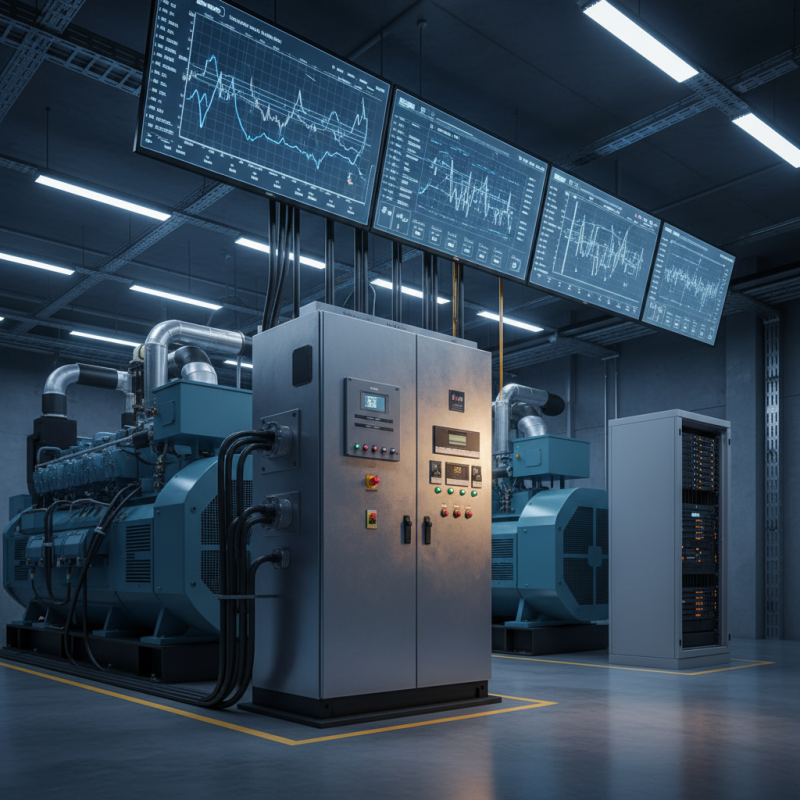
Top 10 Benefits of Industrial Automatic Transfer Switches?

Understanding Industrial Automatic Transfer Switches: A Brief Overview

Industrial automatic transfer switches (ATS) play a crucial role in maintaining power continuity for essential operations. These devices automatically switch from the primary power source to a backup source during outages. Understanding the function of ATS is vital for industries relying on uninterrupted power supply.

The technology behind automatic transfer switches is robust. They use microprocessor controls for fast switches, ensuring minimal downtime. This rapid response time is critical for industries like healthcare and data centers, where every second counts. However, the implementation process can be complex. Some facilities may struggle with proper installation and maintenance. Regular checks are necessary to ensure reliability and efficiency.

Choosing the right ATS requires careful consideration. Factors such as load requirements and environmental conditions must be evaluated. Many companies find it challenging to balance quality and cost. Such dilemmas highlight the need for thorough research and expertise when selecting an ATS. A well-informed decision can enhance operational resilience and safety.

Key Features of Industrial Automatic Transfer Switches

Industrial Automatic Transfer Switches (ATS) are essential for ensuring continuous power supply in critical environments. Their key features significantly enhance operational efficiency. These switches automatically transfer power between different sources, like utility lines and generators. According to a 2022 report by the International Energy Agency, approximately 40% of industrial power interruptions can cause significant revenue losses. An ATS mitigates this risk by swiftly detecting outages and transferring power in seconds.

Another critical feature is real-time monitoring. Modern ATS units provide detailed insights into power quality and system performance. Reports indicate that 65% of facilities using advanced monitoring capabilities experience reduced downtime. Moreover, remote control options allow for prompt interventions without physical presence, aligning with the push for safer operational practices. It's essential to recognize that while these systems are robust, they need regular maintenance to ensure reliability — a factor that some industries overlook.

Finally, many ATS models support load management features. This enables users to prioritize essential systems during power shortages. Such functionality is particularly vital for industries where downtime could lead to irreversible damage, such as healthcare and data centers. However, implementing these systems incurs upfront costs, which demand careful budgeting and forecasting. Each facility must assess its specific needs and potential risks before investing.

Enhancing Reliability with Automatic Transfer Switches

Automatic transfer switches (ATS) play a critical role in enhancing reliability for industrial operations. According to a report by the National Electrical Manufacturers Association, reliable power supply is crucial for business continuity. A single power interruption can cost companies significantly. For example, studies estimate that outages can lead to losses of approximately $150 billion annually in the U.S. alone.

Implementing automatic transfer switches can mitigate these risks. ATS devices monitor power supply and seamlessly switch to backup sources. This not only maintains operations but also ensures safety. Data shows that industries using ATS experience fewer operational downtimes. A reduction of 30% in downtime is common in facilities equipped with ATS technology. Such systems provide peace of mind, assuring uninterrupted workflows.

Tip: Regularly check and maintain your ATS to ensure it's in prime working condition. Lack of maintenance can lead to failures during critical moments.

The adoption of ATS also promotes energy efficiency. Many modern transfer switches come with advanced features to optimize energy consumption. However, installation costs can be a concern for some businesses. It's essential to weigh initial expenses against potential losses from power disruptions. A sound analysis often demonstrates that investing in ATS systems pays off in the long run.

Tip: Consider conducting a cost-benefit analysis before implementing ATS solutions to understand the long-term gains.

Improving Operational Efficiency in Industrial Settings

Automatic transfer switches (ATS) play a vital role in enhancing operational efficiency within industrial settings. These systems ensure a seamless transition of power sources, especially during unexpected outages. By automating the transfer process, organizations can reduce downtime significantly. This efficiency is crucial for industries like manufacturing, where every second counts. Uninterrupted power prevents costly delays.

Moreover, industrial ATS systems are designed to engage quickly and automatically. They monitor power quality and detect discrepancies. Upon sensing a disturbance, the ATS promptly shifts power to a backup source. This precision minimizes risks, allowing businesses to maintain productivity. Regular maintenance, although sometimes overlooked, is also essential to ensure these systems function correctly. Neglecting this aspect may lead to unforeseen failures, disrupting operations.

Implementing an ATS can lead to energy savings, too. By optimizing power sources, energy costs can decrease significantly over time. However, the initial setup can be complex, requiring skilled professionals. Organizations need to weigh the upfront investment against long-term gains. In the quest for operational excellence, understanding the nuances of ATS technology is key to making informed decisions.

Top 10 Benefits of Industrial Automatic Transfer Switches

Benefit Description Impact on Efficiency
Seamless Power Transfer Ensures continuous power supply by automatically switching to backup power during outages. Minimizes downtime and maintains operational continuity.
Enhanced Safety Reduces the risk of electrical hazards by managing power loads efficiently. Protects equipment and personnel from electrical faults.
Remote Monitoring Allows operators to monitor and control the power supply remotely via GPRS or internet. Improves response time to power issues.
Cost-Effectiveness Reduces operational costs by optimizing energy usage and minimizing the frequency of manual interventions. Long-term savings on energy bills.
Improved Reliability Ensures reliable power under varying load conditions. Increases trust in power systems among stakeholders.
Flexibility Compatible with different types of power sources and configurations, enhancing system adaptability. Facilitates changes in power supply needs.
Integration with Other Systems Can be integrated with existing generators and power management systems. Enhances overall efficiency and management.
Maintenance Alerts Provides alerts for scheduled maintenance and potential faults. Proactive maintenance leads to reduced unexpected failures.
Regulatory Compliance Helps organizations comply with industry safety and operational standards. Avoids penalties and improves operational integrity.
Reduced Labor Costs Automates power management, reducing the need for manual monitoring. Lowers employee burden and improves focus on critical tasks.

Cost Savings and Maintenance Benefits of Automatic Transfer Switches

In the industrial sector, Automatic Transfer Switches (ATS) enhance cost efficiency. They enable seamless power transfers when primary sources fail. This minimizes downtime, ultimately leading to significant financial savings. According to the Electric Power Research Institute, ATS can reduce operational costs by 30% through improved energy management.

Maintenance benefits are substantial. Regular maintenance of ATS can lead to fewer emergency repairs. The National Fire Protection Association emphasizes that preventive maintenance decreases the risk of catastrophic failures. Scheduled checks ensure that switches operate optimally, prolonging equipment lifespan.

Tips: Invest time in training your staff on ATS operations. Regular training ensures quick response during power interruptions. Document maintenance schedules thoroughly. This creates a reliable record, aiding compliance and efficiency.

While ATS technology offers clear benefits, oversight can occur. Many facilities overlook routine inspections, causing unexpected failures. Such oversights highlight the need for continuous monitoring and proactive maintenance practices. A well-maintained ATS is a critical asset to any industrial operation.

Optimized by Optimole