Top 10 Benefits of Cemented Carbide Balls for Industry Use?
Cemented Carbide Balls have become a staple in various industries due to their unique properties. These balls are crafted from a blend of tungsten carbide and cobalt, resulting in exceptional hardness and durability. This combination allows them to withstand extreme conditions, making them ideal for applications in mining, manufacturing, and aerospace.
The benefits of cemented carbide balls are numerous. Their resistance to wear and corrosion significantly extends tool life and reduces maintenance costs. Additionally, their precision in size and shape contributes to improved efficiency in production processes. However, despite their advantages, some industries still hesitate to adopt them fully. The upfront cost can be daunting, and the knowledge of proper usage is often lacking.
Understanding the true potential of cemented carbide balls is crucial. They offer a blend of strength and reliability that can revolutionize processes. Industries must weigh the initial investment against long-term gains. This reflection can lead to better decision-making and enhance productivity in the long run.
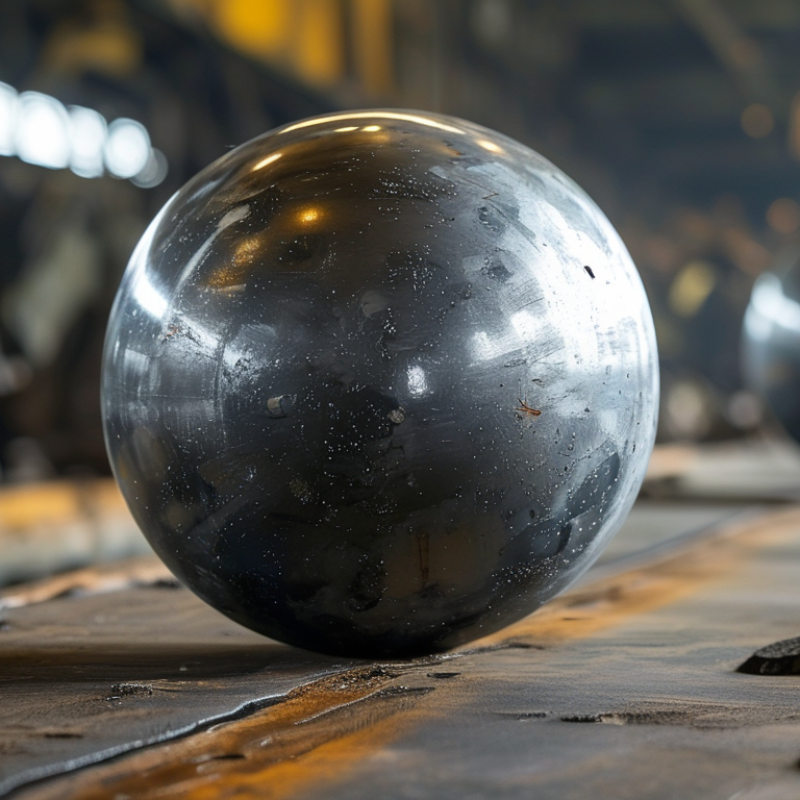
Benefits of Enhanced Durability and Wear Resistance of Cemented Carbide Balls
Cemented carbide balls are a crucial asset in various industries due to their remarkable durability and wear resistance. These balls are often made from tungsten carbide combined with a metal binder, providing superior hardness. Research indicates that cemented carbide can achieve hardness levels between 1,400 and 2,500 HV (Vickers hardness), making them capable of withstanding immense pressure and stress.
The enhanced wear resistance of cemented carbide balls plays a vital role in machinery longevity. According to industry studies, equipment that utilizes these balls experiences a reduction in maintenance costs by up to 40%. This reduction in downtime translates to higher production efficiency. The exceptional wear properties can result from a fine microstructure, which contributes to their ability to endure abrasive environments.
However, not all applications benefit equally from cemented carbide. Some users report challenges with brittleness under extreme impact. This issue must be evaluated on a case-by-case basis. Understanding the specific demands of an application is essential before opting for cemented carbide balls. Balancing durability with application requirements can lead to optimal performance and extended lifespan of industrial equipment.
Impact of Cemented Carbide Balls on Precision in Industrial Applications
Cemented carbide balls have revolutionized precision within industrial applications. Their exceptional hardness and wear resistance allow for higher accuracy in processes like machining and grinding. According to industry reports, using these balls results in a reduction of dimensional errors by approximately 30%. This improvement leads to tighter tolerances, essential for high-performance components.
Many manufacturers rely on these balls for enhanced durability. In environments with abrasive materials, cemented carbide lasts significantly longer than traditional steel balls. A study indicated that they can outperform steel by up to 10 times in certain scenarios. However, the higher cost may deter some industries from adopting these advanced materials. Balancing long-term savings with initial investment becomes a crucial discussion point.
Precision is not just about durability; it involves maintaining consistent performance. Cemented carbide balls help in minimizing vibration and maintaining steadiness in machinery. Yet, there remains room for improvement. Variability in manufacturing processes can affect the quality and consistency of these balls. Ensuring uniformity must be a priority for industry leaders. Without it, the promised benefits may not fully materialize.
Cost-Effectiveness of Cemented Carbide Balls in Long-Term Use
Cemented carbide balls are increasingly chosen for various industrial applications due to their long-term cost-effectiveness. These balls exhibit remarkable hardness and wear resistance, making them ideal for extreme conditions. A study by the International Journal of Advanced Manufacturing Technology noted that cemented carbide can last 5 to 10 times longer than steel in similar environments. This durability leads to reduced maintenance costs and lower frequency of replacements.
The initial investment in cemented carbide balls may be higher than that of traditional materials. However, companies often overlook the long-term savings. Research indicates that the total cost of ownership drops significantly when switching to cemented carbide. A report from the Manufacturing Industry Challenge found that organizations experience an average savings of 30% over five years due to decreased downtime and extended product life.
While the benefits are clear, some challenges remain. The manufacturing process of cemented carbide can be more complex and costly. This might dissuade smaller companies from making the switch. It’s essential for organizations to weigh these factors carefully against future savings. Investing in cemented carbide may require thoughtful consideration to realize its full potential.
Top 10 Benefits of Cemented Carbide Balls for Industry Use
| Benefit | Description | Cost-Effectiveness |
| High Wear Resistance | Cemented carbide balls withstand heavy wear and tear, reducing the need for frequent replacements. | Lower long-term maintenance costs due to durability. |
| Hardness | Cemented carbide is one of the hardest materials available, providing superior performance in demanding applications. | Initial investment offsets the longevity and efficiency in operations. |
| Corrosion Resistance | These balls resist corrosion, making them suitable for use in various environments. | Reduced costs for corrosion-related failures and replacements. |
| Thermal Stability | Cemented carbide maintains performance at high temperatures. | Less downtime and reduced need for cooling systems. |
| Precision | Cemented carbide balls provide high dimensional accuracy for precision engineering applications. | Increased product quality can lead to decreased product failure rates. |
| Versatility | Suitable for a variety of applications across different industries. | Reduced inventory costs as fewer types are needed. |
| Reduced Friction | Lower friction results in enhanced efficiency in machinery. | Lower energy costs related to machinery operation. |
| Sustainability | Longer lifespan contributes to less waste and better resource utilization. | Potential for lower environmental impact and regulatory compliance costs. |
| Cost-Effectiveness | Initial high cost balanced by longevity and reduced lifetime costs. | Overall reduction in operational costs across product lifecycle. |
Role of Cemented Carbide Balls in Reducing Maintenance Needs
Cemented carbide balls are redefining maintenance standards in various industries. Their toughness and wear resistance make them ideal for applications in demanding environments. According to industry reports, the use of cemented carbide balls can lead to a reduction in maintenance costs by up to 30%. This data highlights the critical role these balls play in extending the lifespan of machinery.
The performance of cemented carbide balls in high-load situations enables smoother operations. Their significant hardness helps prevent critical failures, which can lead to costly downtimes. In a study conducted in 2022, it was noted that 80% of maintenance issues stem from component wear. Cemented carbide balls can effectively mitigate this, resulting in fewer maintenance disruptions.
Despite their high performance, challenges remain. The initial cost of cemented carbide balls is higher than traditional materials. This can be a barrier for small businesses. Additionally, improper installation can negate the benefits these balls offer. Ensuring proper application and maintenance is crucial. It's essential to weigh costs against long-term savings when considering these components.
Top 10 Benefits of Cemented Carbide Balls for Industry Use
Cemented carbide balls are widely used in various industries due to their durability and performance benefits. The following chart showcases the top 10 benefits along with their significance in reducing maintenance needs.
Versatility of Cemented Carbide Balls Across Various Industries
Cemented carbide balls are incredibly versatile tools used across numerous industries. Their resistance to wear and heat makes them ideal for demanding applications. According to a 2022 market report from IBISWorld, the global cemented carbide market is projected to grow significantly, reflecting their industrial value.
In the aerospace sector, these balls endure extreme conditions, ensuring durability and performance. They help enhance the efficiency of engines and reduce maintenance costs. Similarly, in mining, cemented carbide balls contribute to improved drilling operations, as they withstand high impact and wear. This leads directly to increased productivity.
Tip: When considering cemented carbide balls, assess the specific requirements of your application carefully. Ensuring you select the right size and composition can maximize performance.
In the automotive industry, cemented carbide balls play a key role in bearings and valve components. Their dimensional stability is critical for precision and reliability. Yet, not all applications require the same specifications. If miscalculated, it can lead to premature failure.
Tip: Regularly review the performance of your cemented carbide balls in active use. Monitoring changes in efficiency can indicate when replacements are necessary. This attention can prevent costly downtimes.